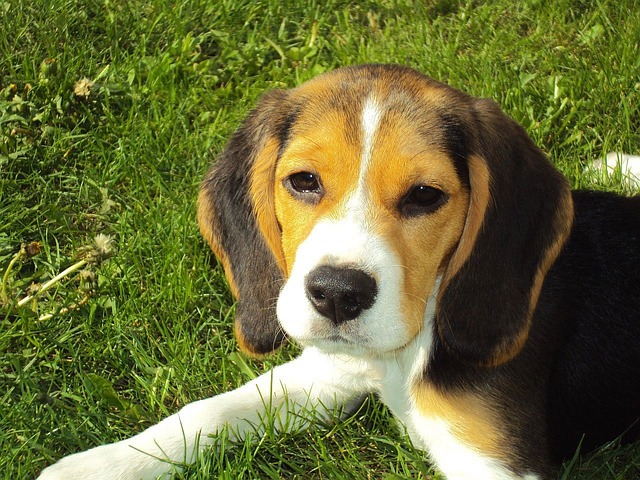
Training your puppy for grooming sessions involves familiarizing them with grooming tools and techniques in a positive, stress-free environment. Puppies can be apprehensive about the sensations of brushing and clipping, so gradual exposure is essential. Begin by allowing your puppy to sniff and explore grooming tools without any pressure. This early exposure helps reduce anxiety and fosters a sense of trust.
It’s important to establish a routine that incorporates grooming into your puppy’s life. Start with short sessions, gradually increasing their duration as your puppy becomes more comfortable. Use treats and praise to reinforce positive behavior during these sessions. Key mistakes to avoid include rushing the process or forcing your puppy into uncomfortable situations, which can lead to fear and resistance in the future.
Understanding Your Puppy’s Grooming Needs
Every puppy has unique grooming needs based on their breed, coat type, and activity level. Understanding these needs is the first step in preparing your puppy for grooming. Long-haired breeds may require more frequent grooming compared to short-haired ones. Additionally, some puppies may be more sensitive to touch, making gentle handling crucial.
Assess your puppy’s coat and skin condition regularly to determine the right grooming tools and frequency. For example, puppies with thick or curly coats may need brushes that can penetrate deeper to avoid matting. Additionally, identifying any skin irritations or allergies will help tailor your grooming approach.
Step-by-Step Grooming Training Techniques
To effectively train your puppy for grooming, follow these structured steps. First, introduce the grooming tools one at a time, allowing your puppy to investigate them at their own pace. Start with a soft brush and gently stroke your puppy’s back, gradually moving to other areas.
Next, practice handling their paws and ears, as these areas can be sensitive. Use treats to reward calm behavior, reinforcing the idea that grooming is a positive experience. As your puppy becomes more comfortable, incorporate clippers or scissors, ensuring to start with the lowest setting or using a gentle touch.
Common Mistakes to Avoid
One common mistake during grooming training is rushing the process. Puppies need time to adjust to new sensations, and forcing them can lead to fear. Another mistake is neglecting to reward good behavior consistently. Positive reinforcement is key in helping your puppy associate grooming with positive experiences.
Avoid using grooming tools that are too aggressive for your puppy’s coat type or skin sensitivity. Always choose tools designed for puppies to minimize discomfort and ensure a smoother grooming experience.
Creating a Positive Grooming Environment
Creating a calm and inviting space for grooming is essential. Choose an area with minimal distractions, where your puppy feels safe. Consider using a non-slip surface to prevent any accidents during grooming.
Incorporate soothing music or calming scents to further relax your puppy. Regularly grooming your puppy in the same space can help them associate that area with positive grooming experiences. Over time, this familiarity will ease their anxiety and promote a more enjoyable grooming routine.
Frequently Asked Questions
How often should I groom my puppy?
The frequency of grooming depends on your puppy’s breed and coat type. Generally, long-haired breeds require grooming every few days, while short-haired breeds may need grooming once a week.
What tools do I need for grooming my puppy?
Essential grooming tools include a soft brush, a comb, nail clippers, and possibly a grooming mitt. Choose tools appropriate for your puppy’s coat type.
Can I use human grooming products on my puppy?
It’s best to use products specifically designed for dogs, as human grooming products can irritate their skin and coat.
What should I do if my puppy is scared of grooming?
If your puppy is scared, take a gradual approach by introducing grooming tools slowly and rewarding them for calm behavior. Consider short, positive sessions to build confidence.
When can I start grooming my puppy?
You can start grooming your puppy as early as eight weeks old. Early exposure helps them become accustomed to the process and reduces anxiety later.
Conclusion
Training your puppy for grooming sessions is crucial for their comfort and well-being. By understanding their grooming needs and implementing gradual, positive training techniques, you can foster a positive grooming experience. Avoid common mistakes and create a calm environment to ease your puppy’s anxiety. Regular grooming not only keeps your puppy looking good but also strengthens the bond between you and your furry friend.