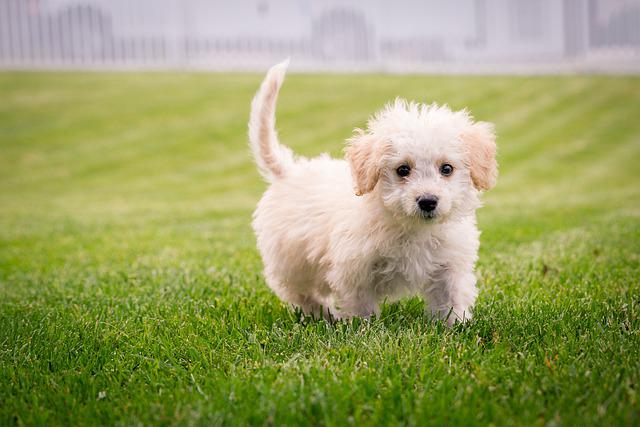
Training a puppy without harsh discipline involves using positive reinforcement techniques that promote desired behaviors while nurturing a trusting bond between you and your puppy. This approach emphasizes rewards, such as treats or praise, over punishment, which can lead to fear and anxiety. Establishing a positive training environment is crucial for effective learning and long-term behavioral success.
One common mistake many new puppy owners make is relying too heavily on negative reinforcement or punishment, believing it will lead to better obedience. However, studies show that dogs trained with positive methods are more likely to develop confidence and a strong attachment to their owners. Therefore, it’s essential to prioritize methods that not only teach commands but also build a loving relationship.
Understanding Positive Reinforcement
Positive reinforcement is a training method that rewards desired behaviors, making it more likely that those behaviors will be repeated. This method works by associating good behavior with positive outcomes, such as treats, praise, or playtime. For example, when your puppy sits on command and receives a treat, they will learn to associate sitting with a reward.
It’s important to understand that positive reinforcement not only teaches commands but also helps to establish trust. When puppies feel safe and rewarded, they are more likely to engage and learn efficiently. This method contrasts sharply with harsh discipline, which can create fear and anxiety, leading to behavioral issues down the line.
Setting Up a Reward System
Creating an effective reward system is essential for successful training. Start by identifying what motivates your puppy—this could be treats, toys, or verbal praise. Use these motivators consistently when your puppy exhibits the desired behavior.
For instance, if you want to teach your puppy to stay, reward them with a treat and praise immediately after they sit still for a few seconds. Over time, gradually increase the duration they must stay before receiving their reward. This method not only reinforces good behavior but also helps your puppy learn patience and focus.
Common Mistakes to Avoid
One of the most common pitfalls in positive reinforcement training is inconsistency. If you reward some behaviors but not others or fail to reward consistently, your puppy may become confused about what is expected. It’s crucial to maintain consistency in your training approach to help your puppy understand and internalize commands.
Another mistake is punishing your puppy after the fact. Dogs do not associate punishment with past behavior unless it is immediate. Instead, focus on redirecting negative behaviors by providing alternatives and rewarding positive actions. For example, if your puppy is chewing on furniture, redirect them to a toy and reward them when they engage with the appropriate item.
Real-Life Training Scenarios
Applying positive reinforcement in real-life scenarios can enhance your training experience. For instance, if your puppy jumps on guests, teach them to sit when someone enters the home. Reward them for sitting until they are calm before allowing them to greet visitors.
This technique not only curbs unwanted jumping but also reinforces calm behavior in exciting situations. Situations like these highlight the effectiveness of positive reinforcement in everyday life, helping puppies learn valuable social skills while maintaining a positive atmosphere.
Understanding the broader context of positive reinforcement can enhance your training methods. Resources from reputable organizations can provide additional insights into effective training strategies.
Frequently Asked Questions
What is the best way to train a puppy without harsh discipline?
The best way to train a puppy without harsh discipline is through positive reinforcement, rewarding good behavior with treats and praise.
How long does it take to train a puppy using positive reinforcement?
The time it takes to train a puppy varies, but consistent practice with positive reinforcement can yield results within a few weeks.
Can I train my puppy using just treats?
Yes, treats are a powerful motivator, but it’s essential to combine them with praise and affection for a well-rounded approach.
What should I do if my puppy doesn’t respond to training?
If your puppy isn’t responding, reassess your methods and ensure you are consistent and patient. Some puppies may take longer to learn.
Is harsh discipline ever effective in training?
Harsh discipline can lead to fear and anxiety, which often results in behavioral issues. Positive reinforcement is more effective and promotes a trusting relationship.
Conclusion
Training a puppy without harsh discipline is not only possible but highly effective when using positive reinforcement techniques. Focus on rewarding desired behaviors consistently, avoiding punishment to foster a trusting relationship. Remember that patience and consistency are key—celebrate small victories along the way. By prioritizing these methods, you can cultivate a well-behaved and happy puppy, setting the foundation for a lifelong bond.