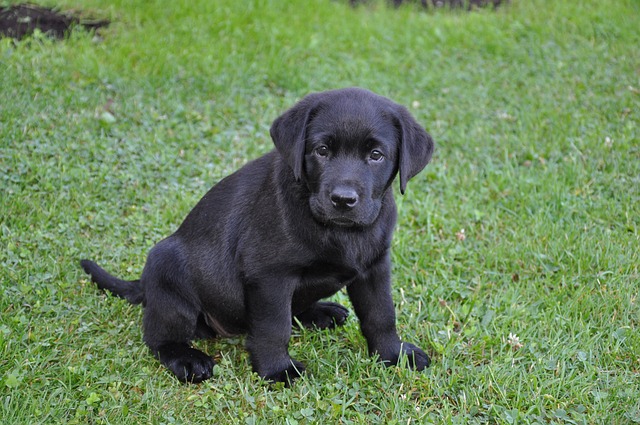
Moreover, timing is essential when using treats in training. Providing a treat immediately after your puppy performs the desired action helps them make the connection between the behavior and the reward. Ensure that you are attentive to your puppy’s reactions and adjust the treats based on their preferences and learning pace.
Choosing the Right Treats
Choosing the right treats is fundamental to effective puppy training. Select treats that are small, soft, and easy to chew, as this allows for quick rewards without interrupting the training flow. Additionally, consider your puppy’s preferences; some may respond better to meat-based treats while others prefer cheese or commercial puppy training snacks.
It’s also important to vary the treats to keep your puppy engaged. If they become bored with a particular treat, their motivation may decrease. Experiment with different flavors and textures, and observe which ones elicit the best response during training sessions.
Establishing a Training Routine
Establishing a consistent training routine is key to success in puppy training. Schedule short training sessions, ideally 5 to 10 minutes, several times a day. Puppies have short attention spans, so keeping sessions brief will help maintain their focus and enthusiasm.
During these sessions, use a mix of commands and behaviors to reinforce learning. Start with simple commands like “sit” or “stay” and gradually introduce more complex tasks as your puppy becomes more confident. Always end on a positive note with praise and a treat to encourage your puppy to look forward to training.
Common Mistakes to Avoid
Avoiding common mistakes can significantly enhance the effectiveness of your training. One major pitfall is over-rewarding. While treats are important, giving too many can lead to weight gain and reduce their value as a reward. Use treats sparingly and consider reducing their size over time as your puppy learns the desired behaviors.
Another mistake is inconsistent training. If you only reward your puppy sometimes, they may become confused about what behaviors are acceptable. Stick to a consistent set of commands and reward only when your puppy follows through correctly.
Monitoring Progress
Monitoring your puppy’s progress is essential to ensure effective training. Keep a journal of your training sessions to track which commands your puppy understands and which may need more reinforcement. This will help you identify areas where your puppy excels and where they may need additional support.
Additionally, be patient and flexible. Every puppy learns at their own pace, and it’s crucial to adjust your training methods based on their responses. Celebrate small wins and maintain a positive attitude to foster a supportive learning environment.
Frequently Asked Questions
What types of treats work best for puppy training?
Soft, small, and high-value treats are ideal for puppy training, as they are easy for puppies to chew and digest quickly.
How often should I train my puppy?
Short training sessions of 5 to 10 minutes several times a day are recommended to keep your puppy engaged and focused.
What should I do if my puppy isn’t responding to treats?
If your puppy isn’t responding to treats, try different types or flavors, and ensure you are using them immediately after the desired behavior.
Is it okay to use my puppy’s regular food as treats?
Yes, you can use your puppy’s regular food as treats, especially if they are motivated by their meals, but make sure to adjust their overall food intake accordingly.
How can I tell if my puppy is making progress?
Monitor your puppy’s ability to follow commands consistently and their eagerness to participate in training sessions as indicators of progress.
Conclusion
Training a puppy with treats can be a rewarding experience when done correctly. Focus on choosing the right treats, establishing a consistent routine, and avoiding common mistakes. Monitor your puppy’s progress and adjust your methods as necessary to ensure effective learning. With patience and persistence, you will cultivate a well-trained puppy ready to follow commands and exhibit good behavior.