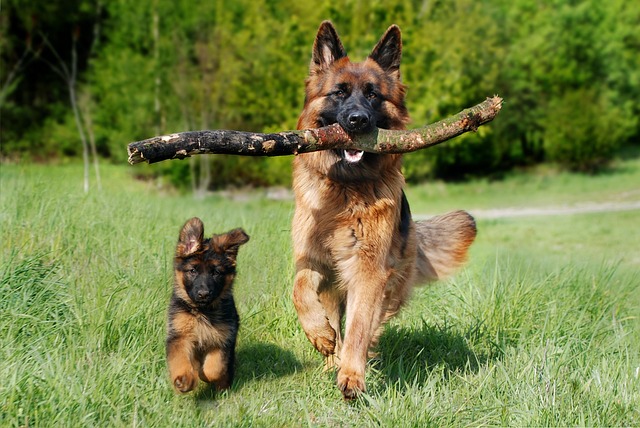
Preventing your puppy from chewing on shoes requires immediate intervention and a strategic approach. Chewing is often a natural behavior for puppies, stemming from teething discomfort or the need to explore their environment. To effectively curb this behavior, it’s essential to provide suitable chew toys and redirect their attention whenever they reach for your shoes.
Understanding the reasons behind your puppy’s chewing is crucial. Many puppies chew out of boredom or anxiety, while others may simply be exploring their world. By recognizing these triggers, you can create a more engaging environment with stimulating activities that keep them occupied. Ensure that your puppy has access to a variety of chew toys that are safe and appealing, as this will help satisfy their natural urge to chew while saving your shoes.
Recognizing the Causes of Chewing
Identifying the root cause of your puppy’s chewing behavior is essential for effective management. Many puppies chew as a way to relieve teething pain, while others may do so out of boredom or anxiety. Understanding these motivations can help you tailor your approach. For instance, teething puppies will benefit from softer toys designed to soothe their gums, while bored puppies may require more exercise and mental stimulation.
Pay attention to when and where your puppy tends to chew. If they gravitate towards shoes, it might be due to the scent or texture that they find appealing. Establishing a routine that includes physical activity and mental challenges can significantly reduce the urge to chew on inappropriate items. Incorporating interactive toys or puzzle feeders can also provide the necessary engagement to keep your puppy satisfied.
Providing Appropriate Chew Alternatives
To effectively deter your puppy from chewing on shoes, it’s crucial to offer them suitable alternatives. High-quality chew toys, such as rubber bones or textured toys, can satisfy their chewing instincts while protecting your belongings. Ensure that these toys are durable and safe, as puppies tend to be vigorous chewers.
Consider rotating the toys regularly to maintain your puppy’s interest. This practice prevents boredom and keeps them engaged with the alternatives you provide. Additionally, you can experiment with different textures and shapes to find what your puppy prefers. A positive association with their chew toys will encourage them to choose these over your shoes.
Establishing Training Routines
Training plays a vital role in modifying your puppy’s behavior. Teaching commands like “leave it” or “no” can help them understand boundaries regarding what they are allowed to chew. Consistent reinforcement with treats and praise when they choose their toys over shoes can reinforce positive behavior.
Incorporating training sessions into your daily routine can also improve your puppy’s overall behavior. Short, frequent sessions are more effective than longer, infrequent ones. During these sessions, focus on redirecting your puppy’s attention to their toys whenever they show interest in your shoes. This consistent approach will help them learn what is acceptable and what is not.
Creating a Chew-Proof Environment
To minimize the temptation for your puppy to chew on shoes, create a chew-proof environment. Start by keeping shoes and other valuable items out of reach. Designate specific areas in your home where your puppy can explore safely, and ensure that these areas are stocked with their toys and chew items.
Using baby gates or playpens can help limit your puppy’s access to areas where they might find shoes to chew. These boundaries will not only protect your belongings but also provide a secure space for your puppy to play and relax. Over time, this will help them learn acceptable behaviors and reduce the likelihood of unwanted chewing.
When to Seek Professional Help
If your puppy’s chewing behavior persists despite your efforts, it may be time to consult a professional dog trainer or veterinarian. Persistent chewing can sometimes indicate underlying issues such as anxiety or behavioral disorders. A professional can help identify these issues and provide tailored strategies to address them.
Don’t hesitate to seek help if you feel overwhelmed. Professional guidance can provide you with additional tools and techniques to manage your puppy’s chewing effectively.
For those looking for more detailed information on puppy behavior and training, consider exploring resources from reputable organizations or dog training experts. These sources can provide valuable insights into understanding and managing your puppy’s chewing habits.
Frequently Asked Questions
What should I do if my puppy only chews on shoes?
Redirect their attention to chew toys and ensure shoes are kept out of reach.
How can I prevent my puppy from chewing on furniture?
Provide suitable chew toys and use training methods to discourage chewing on furniture.
Is it normal for puppies to chew a lot?
Yes, chewing is a normal behavior for puppies, especially during teething.
How long does the chewing phase last?
The chewing phase typically lasts until the puppy is around six months old.
What types of toys are best for teething puppies?
Soft rubber toys or frozen chew toys can provide relief for teething puppies.
Conclusion
Stopping your puppy from chewing on shoes requires a multifaceted approach that includes understanding their behavior, providing alternatives, and establishing training routines. By recognizing the causes of their chewing, offering appropriate chew toys, and creating a chew-proof environment, you can significantly reduce the likelihood of unwanted chewing. If needed, don’t hesitate to seek professional help to address persistent issues. Prioritize consistent training and engagement to ensure your puppy learns acceptable behaviors while keeping your belongings safe.