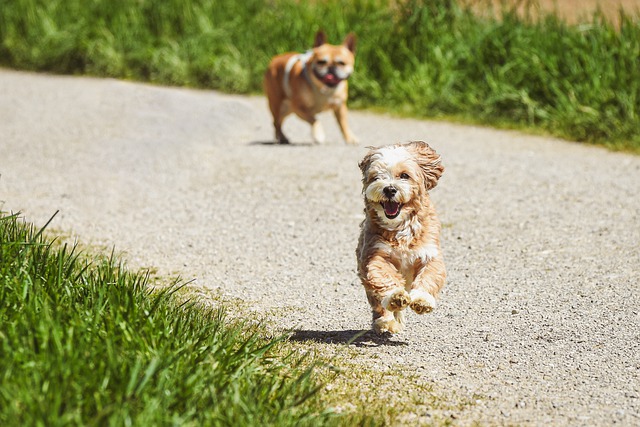
The Importance of Recall Training
Recall training is not just about convenience; it’s about safety. A reliable recall can prevent your puppy from running into dangerous situations or getting lost. This skill also enhances your puppy’s freedom to explore while giving you peace of mind. A well-trained puppy that returns when called is more likely to be included in family activities, which strengthens your bond.
Moreover, recall training can significantly reduce behavioral issues. Puppies that are consistently called back and rewarded learn to associate coming when called with positive experiences. This can curb tendencies to wander or engage in undesirable behaviors, such as jumping on guests or raiding the trash.
Techniques for Effective Recall
To effectively train your puppy to come when called, start by using high-value rewards, such as treats or toys, that your puppy loves. Begin practicing in a low-distraction environment, gradually increasing the complexity of the surroundings as your puppy becomes more reliable. Use a clear, enthusiastic tone when calling your puppy, and reward them immediately upon their return.
Another technique involves the ‘come’ command paired with a hand signal. This dual cue can enhance understanding and increase responsiveness. Make sure to practice this command regularly, incorporating it into playtime or walks to keep your puppy engaged and eager to respond.
Common Mistakes to Avoid
A common mistake in recall training is calling your puppy only when you need them to stop doing something, like getting into trouble. This negative association can lead to reluctance to respond. Always ensure that your puppy views coming when called as a positive experience.
Additionally, avoid calling your puppy if you know they won’t come. Instead, use a long leash or wait until you can ensure their attention. This way, you can prevent reinforcing the idea that ignoring the command is acceptable.
Maintaining Consistency in Training
Consistency is crucial for successful recall training. Use the same command, tone, and reward system every time you call your puppy. Ensure that all family members are on the same page regarding the training process to avoid confusion for your puppy.
Regularly practice recall exercises to keep your puppy’s skills sharp. Incorporate various environments and distractions to enhance their ability to respond reliably. Remember, training is an ongoing process, and maintaining these skills is essential as your puppy grows.
If you’re looking for additional resources on puppy training, consider exploring reputable pet training websites, local training classes, or books written by professional dog trainers. These can provide further insights and varied techniques to enhance your training experience.
Frequently Asked Questions
What age should I start training my puppy to come when called?
Begin training your puppy to come when called as soon as they arrive in their new home, typically around 8 weeks of age.
How long should training sessions be?
Keep training sessions short and engaging, ideally between 5 to 10 minutes, to maintain your puppy’s attention.
What should I do if my puppy doesn’t come when called?
If your puppy doesn’t come when called, avoid scolding them. Instead, use a longer leash to guide them back and reward them when they do respond.
Can I train my puppy to come when called without treats?
While treats are effective, you can also use praise, toys, or playtime as rewards to encourage your puppy to come when called.
How often should I practice recall training?
Practice recall training daily or several times a week to reinforce the behavior and ensure your puppy remains responsive.
Conclusion
Training your puppy to come when called every time requires consistency, patience, and positive reinforcement. Prioritize starting in a distraction-free environment, using high-value rewards, and maintaining a positive association with the command. By avoiding common mistakes and practicing regularly, you can foster a reliable recall that ensures your puppy’s safety and strengthens your bond. Make recall training a fun part of your puppy’s routine, and you’ll see significant progress over time.