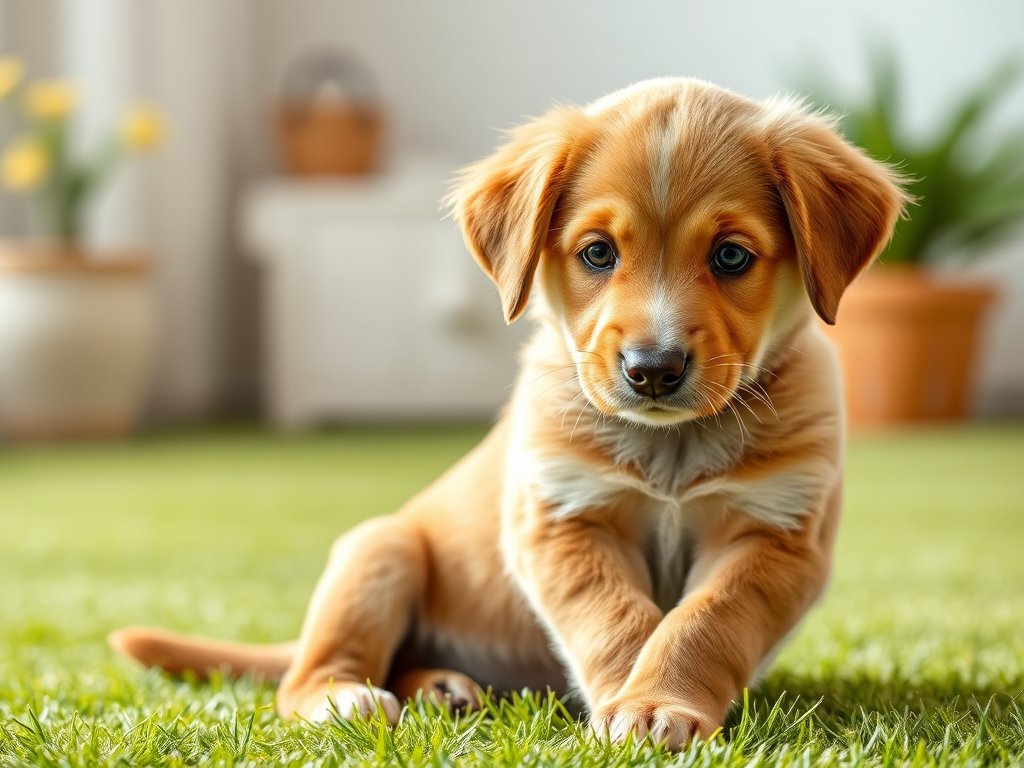
To train a puppy to be gentle, prioritize positive reinforcement by rewarding calm behavior with treats or praise. Establish clear commands and redirect any overly energetic actions with toys to promote gentleness. Avoid harsh corrections, as they can create fear and anxiety, hindering your puppy's learning process. Instead, consistently reinforce desired behaviors, which helps your puppy associate gentleness with positive experiences. Regular practice and patience are essential for fostering a well-mannered and gentle companion.
Training a puppy to be gentle is essential for fostering safe interactions with humans and other pets. The process involves using positive reinforcement to encourage calm behavior and redirecting unwanted actions into more appropriate responses. By establishing clear commands and rewarding gentle behavior, you can help your puppy develop the skills needed for safe and friendly interactions.
One common mistake is using harsh corrections, which can lead to fear or anxiety in your puppy. Instead, focus on rewarding desired behaviors and providing consistent feedback. This approach helps your puppy associate gentleness with positive outcomes, making it more likely to repeat those behaviors in the future. Patience and regular practice are crucial to ensuring your puppy learns effectively.
Understanding Gentle Behavior
Gentleness in puppies is characterized by soft interactions, controlled movements, and the absence of aggressive behavior. Recognizing the signs of gentleness, such as relaxed body posture and soft mouth movements, is essential for effective training. Puppies often express excitement through nipping or jumping, so teaching them calmness is vital.
To build a foundation for gentle behavior, observe your puppy’s natural tendencies and reward moments when they display calmness. This helps reinforce the desired behaviors and encourages them to repeat these actions during interactions.
Positive Reinforcement Techniques
Using positive reinforcement is one of the most effective methods for training a puppy to be gentle. This involves rewarding your puppy with treats, praise, or playtime whenever they exhibit gentle behavior. Start with basic commands like “gentle” or “easy” to help them understand what is expected.
For example, when your puppy approaches someone calmly, immediately reward them with a treat and praise. This creates a positive association with gentle behavior. Gradually increase the difficulty by introducing distractions or new environments, ensuring you consistently reward gentleness.
Setting Up Controlled Interactions
Controlled interactions are crucial for teaching your puppy how to behave around others. Begin by introducing your puppy to calm, well-behaved dogs or people who can help model gentle behavior. Supervised playdates or training sessions provide opportunities to practice gentleness in a safe environment.
During these interactions, monitor your puppy’s behavior closely. If they become too excited or start to nip, redirect their attention with a toy or command them to sit. Reward them for returning to a calm state. This helps reinforce the idea that gentleness leads to positive outcomes.
Common Mistakes to Avoid
When training a puppy to be gentle, avoid common pitfalls that can hinder progress. One significant mistake is failing to provide consistent commands. Ensure everyone in your household uses the same words and signals to avoid confusing your puppy.
Another mistake is reacting negatively to unwanted behavior, which can create fear or anxiety. Instead, focus on redirecting your puppy’s energy into more acceptable behaviors. Remember that training takes time, and consistency is key to success.
Conclusion
Training your puppy to be gentle is a vital part of their development and helps ensure safe interactions with others. Focus on positive reinforcement techniques, consistent commands, and controlled environments for practice. Avoid common mistakes like harsh corrections and inconsistent commands, as these can hinder progress. With patience and regular practice, your puppy will learn to exhibit gentle behavior that fosters healthy relationships.