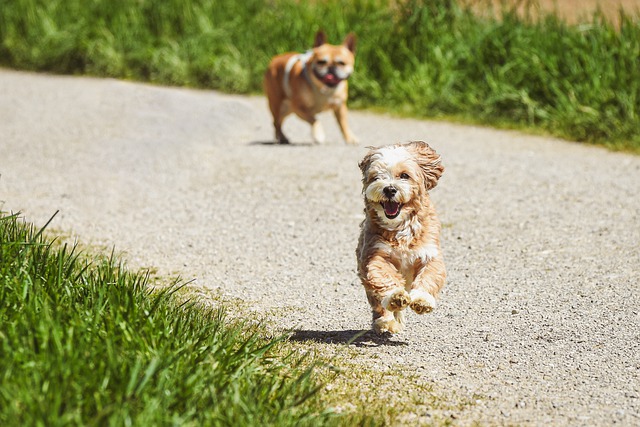
Training a puppy as a first-time dog owner involves establishing a consistent routine and using positive reinforcement techniques. New owners often overlook the importance of clear communication and patience, which can lead to frustration during the training process. Prioritizing short, engaging training sessions is crucial for maintaining your puppy’s attention and making learning enjoyable.
One common mistake is inconsistency in commands, which can confuse your puppy. Additionally, neglecting socialization can lead to behavioral issues later on. Focus on creating a structured environment that encourages learning and bonding, which will help your puppy thrive.
Establishing a Routine
Creating a consistent routine is vital for your puppy’s training. Puppies thrive on predictability, which helps them understand what is expected of them. Establish a daily schedule for feeding, potty breaks, playtime, and training sessions. This routine not only helps your puppy learn faster but also builds trust between you and your pet.
Be mindful that routines should be flexible enough to accommodate your puppy’s needs. For instance, if your puppy shows signs of needing to go outside, it’s essential to respond promptly. This responsiveness reinforces good behavior and helps your puppy learn to communicate their needs effectively.
Positive Reinforcement Techniques
Positive reinforcement is one of the most effective training methods. This approach involves rewarding your puppy for desired behaviors, encouraging them to repeat those actions. Rewards can include treats, praise, or playtime. The key is to provide rewards immediately after the behavior to help your puppy make the connection.
While training, it’s important to remain patient and avoid negative reinforcement, as this can lead to fear and anxiety. Instead, focus on redirecting unwanted behaviors and rewarding positive actions. This approach fosters a positive learning environment that encourages your puppy to engage and learn.
Common Mistakes to Avoid
Many first-time dog owners make mistakes that can hinder their puppy’s training progress. One common error is using vague commands or inconsistent cues, which can confuse your puppy. Ensure that everyone in your household uses the same commands and cues to promote clarity.
Another mistake is neglecting socialization. Exposing your puppy to various environments, people, and other animals during their critical development period (between 3 and 14 weeks) is essential for helping them become well-adjusted adults. Lack of socialization can lead to behavioral issues later in life.
Socialization Tips
Socialization is crucial for your puppy’s development. Introduce them to different environments, sounds, and experiences gradually. Start with controlled interactions, such as inviting friends over or visiting a pet-friendly park. Monitor your puppy’s reactions and provide positive reinforcement for calm behavior.
Also, consider enrolling your puppy in a socialization class. These classes provide a safe environment for puppies to interact with each other under the guidance of a professional trainer. This exposure helps them learn proper social skills and reduces the likelihood of fear-based behaviors later on.
Frequently Asked Questions
What age should I start training my puppy?
You can start training your puppy as early as 8 weeks old, focusing on basic commands and socialization.
How long should training sessions be?
Training sessions should last about 5 to 10 minutes for young puppies, gradually increasing as they grow. Socializing can be done through controlled interactions with other dogs and varied environments.
How can I socialize my puppy?
Training sessions should last about 5 to 10 minutes for young puppies, gradually increasing as they grow. Socializing can be done through controlled interactions with other dogs and varied environments.
What are the best treats for training?
Small, soft treats that are easy to chew and digest are ideal for training, as they can be consumed quickly during sessions.
Is it okay to use negative reinforcement?
Negative reinforcement is generally discouraged as it can lead to fear and anxiety in puppies. Focus on positive reinforcement methods instead.