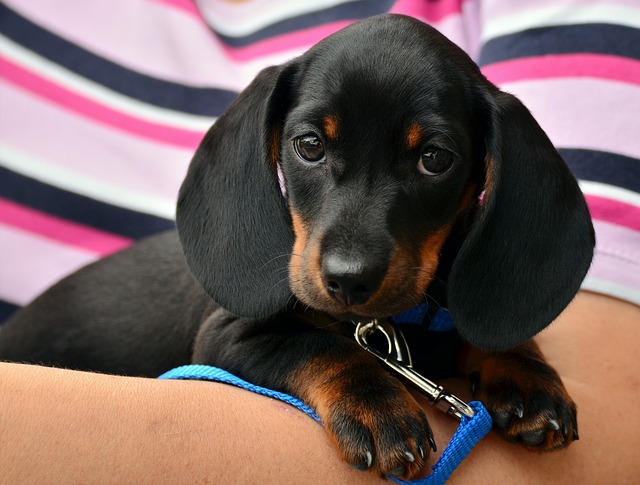
Teaching your puppy to wait patiently is essential for their overall behavior and obedience. This skill not only helps in managing their excitement but also instills discipline. The process begins with consistent training sessions where you reinforce the ‘wait’ command, which is crucial for impulse control. Puppies, by nature, tend to act on instinct, so training them to pause before acting lays a foundation for better behavior.
Many owners make the mistake of expecting their puppies to understand the concept of waiting immediately. Instead, patience is key—both for the puppy and the trainer. Start with short durations and gradually increase the time as your puppy becomes more comfortable with the command. It’s also vital to practice in a distraction-free environment, as distractions can hinder their learning process. If they successfully wait, reward them with treats or praise, reinforcing the positive behavior.
Understanding the Importance of Waiting
Teaching your puppy to wait patiently is not just a trick; it’s a vital skill that enhances their behavior in various situations. A well-trained puppy can handle waiting for food, toys, or during walks without becoming overly excited or disruptive. This skill promotes a calm demeanor and improves their ability to interact with others, both humans and animals. Furthermore, it allows for smoother routines in daily life, making outings and training sessions more manageable.
Many owners overlook the significance of impulse control in puppies. Without proper training, dogs may exhibit unwanted behaviors like jumping, barking, or running away. By teaching them to wait, you are directly addressing these potential issues and fostering a more harmonious relationship between you and your pet.
Step-by-Step Training Process
The training process for teaching your puppy to wait patiently can be broken down into clear steps. Begin in a quiet area with minimal distractions. Use a leash if necessary to maintain control. Start by saying the command ‘wait’ and show your puppy a treat. Hold the treat in front of them at nose level, but don’t give it immediately.
Once your puppy shows interest but does not jump for the treat, wait a few moments and then reward them. Gradually increase the time they need to wait before receiving the treat. Consistency is crucial; practice this daily, and soon they will associate the command with the action of waiting. Over time, introduce distractions to test their patience.
Common Mistakes to Avoid
When training your puppy to wait, several common pitfalls can hinder progress. One major mistake is rushing the process. Puppies need time to learn, and expecting immediate results can lead to frustration for both the owner and the pet. Additionally, inconsistency in commands or rewards can confuse your puppy, making it harder for them to grasp the concept.
Another common error is not rewarding your puppy for their patience. If they wait but do not receive a treat or praise, they may lose motivation. Always ensure that positive reinforcement is consistent and immediate to solidify the behavior.
Building Patience Over Time
Building patience in your puppy is a gradual process that requires dedication and time. Start with short waits and increase the duration as they become more accustomed to the command. Incorporate waiting into everyday situations, such as before meals or during playtime, to reinforce the behavior in practical settings.
Remember to remain patient yourself; training is as much about your consistency as it is about your puppy’s learning. Celebrate small victories and adjust your approach as needed. Over time, your puppy will learn that waiting leads to rewards, fostering a calm and patient demeanor.
Frequently Asked Questions
How long does it take for a puppy to learn to wait patiently?
The time it takes for a puppy to learn to wait patiently varies by individual, but consistent practice over several weeks usually yields good results.
What commands should I use for training my puppy to wait?
Using the command ‘wait’ is effective, but you can also use ‘stay’ as a variation, depending on your training style.
What should I do if my puppy won’t wait?
If your puppy struggles to wait, reduce the time duration and gradually increase it as they improve, ensuring to reward them for small successes.
Can I train my older dog to wait patiently?
Yes, older dogs can also learn to wait patiently. The training process is similar, though you may need to be more patient with them.
How can I make training more enjoyable for my puppy?
Incorporate playtime and fun rewards into training sessions to keep your puppy engaged and motivated.
Conclusion
All in all, teaching your puppy to wait patiently is a fundamental skill that enhances their behavior and strengthens your relationship. By employing consistent training methods, avoiding common mistakes, and gradually building their patience, you can create a more disciplined and calm pet. Always remember to reward their successes and adjust your training as necessary. With time and dedication, your puppy will master this important command, making everyday situations easier and more enjoyable for both of you.