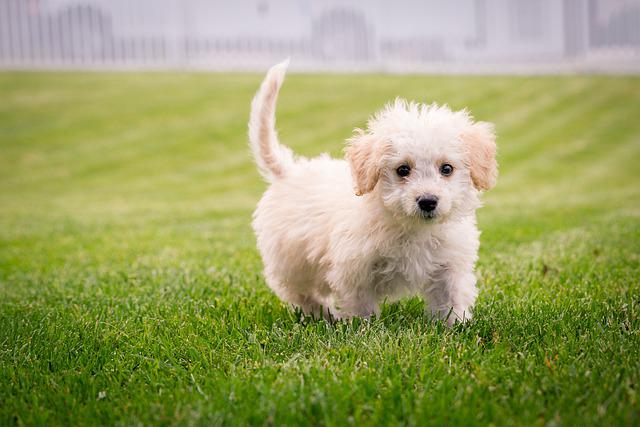
To teach your puppy to settle on command, start by creating a calm environment and using a consistent word or phrase like ‘settle.’ Reward your puppy with treats and praise when they lie down quietly. Ensure you practice this command in various settings to reinforce the behavior. Be patient, as it may take time for your puppy to learn this command effectively.
Establishing a reliable settle command is essential for fostering a calm and well-behaved puppy. This command not only helps your puppy relax but also aids in managing their energy levels, making it easier to handle them in stimulating environments. Common mistakes include using the command inconsistently or failing to reinforce the desired behavior with rewards. Make sure to practice in different locations and situations to help your puppy generalize the command.
Another critical aspect to consider is the timing of your rewards. Immediate reinforcement is crucial when your puppy lies down or calms down, as this helps them associate the action with the command. If you wait too long, your puppy may not connect the command with the behavior you want. Use high-value treats or toys to keep your puppy motivated and engaged during training sessions.
Understanding the Settle Command
The settle command is designed to teach your puppy to relax and remain calm on cue. This command is particularly useful in busy or stressful environments, where a puppy may feel anxious or overly excited. By teaching your puppy to associate the settle command with relaxation, you can help them learn to control their energy levels.
When training your puppy, it’s important to be clear and consistent with your commands. Use the same word or phrase each time, and ensure that everyone in your household uses the same language to avoid confusion. This consistency will help your puppy learn the command more quickly and effectively.
Creating a Calm Environment
A calm environment is crucial when teaching your puppy to settle. Choose a quiet space with minimal distractions to start your training sessions. This could be a designated area in your home or a quiet spot in your yard. As your puppy becomes more comfortable with the command, gradually introduce more distractions to help them learn to settle in various environments.
Consider using calming aids, such as soft music or pheromone diffusers, to create a soothing atmosphere during training sessions. Additionally, ensure your puppy has a comfortable space to lie down, such as a dog bed or mat, which can help signal that it’s time to relax.
Reinforcement Techniques
Reinforcement is a key component of teaching your puppy to settle. Use high-value treats or toys to reward your puppy when they lie down or remain calm. Timing is essential; reward your puppy immediately after they respond to the command to strengthen the association between the command and the desired behavior.
Incorporate positive reinforcement techniques, such as clicker training, to mark the behavior you want to encourage. This method can help your puppy understand exactly what they are being rewarded for, leading to faster learning and better results.
Common Mistakes to Avoid
Many owners make common mistakes when teaching their puppies to settle. One frequent error is using the command inconsistently, which can confuse your puppy and hinder their learning process. Ensure that everyone in your household is on the same page regarding the command and its usage.
Another mistake is failing to provide immediate reinforcement. If you wait too long to reward your puppy, they may not connect the command with the desired behavior. Additionally, avoid scolding or punishing your puppy for not settling, as this can create negative associations with the command.
For more in-depth information on puppy training techniques, consider exploring resources from reputable organizations such as the American Kennel Club or the Association of Professional Dog Trainers. These sources offer valuable insights and practical tips for effective puppy training.
Frequently Asked Questions
At what age can I start teaching my puppy to settle?
You can start teaching your puppy to settle as early as 8 weeks old. Puppies are capable of learning commands at a young age, so it’s best to begin training early.
How long will it take for my puppy to learn the settle command?
The time it takes for a puppy to learn the settle command varies, but with consistent practice, most puppies can grasp the command within a few weeks.
What should I do if my puppy doesn’t settle?
If your puppy doesn’t settle, review your training methods and ensure you’re providing immediate rewards. You may need to practice in a quieter environment or reduce distractions during training.
Can I use the settle command in public places?
Yes, once your puppy has learned the settle command in a controlled environment, you can practice it in public places. Gradually introduce distractions to help your puppy generalize the command.
Is it normal for my puppy to take time to learn this command?
Yes, it’s normal for puppies to take time to learn commands. Be patient and consistent, and your puppy will eventually understand the settle command.
Further Reading
Authoritative Sources
- Dog Settle Training And How To Teach Calm Behavior
ridgesidek9tidewater.comTeaching calm behavior requires consistent reinforcement of rest, boundaries, and predictable daily rhythms. True settling includes loose muscles, steady ...
- How to Teach Your Dog to Settle and Relax Anywhere
askavet.comTeach your dog to settle calmly on a mat using reward-based training, while learning to recognise true relaxation, manage distractions and ...
- Three Ways To Teach Relaxation
themoderndogtrainer.netKikopup has an excellent YouTube video on how to capture a dog's calmness. Rewarding the dog when they are not expecting it when they are calm.
Conclusion
Teaching your puppy to settle on command is a valuable skill that can enhance their behavior and help manage their energy levels. Focus on creating a calm environment, using consistent verbal commands, and providing immediate rewards to reinforce the desired behavior. Avoid common mistakes such as inconsistent training and delayed reinforcement. With patience and dedication, your puppy will learn to settle effectively, making them a more well-behaved companion.