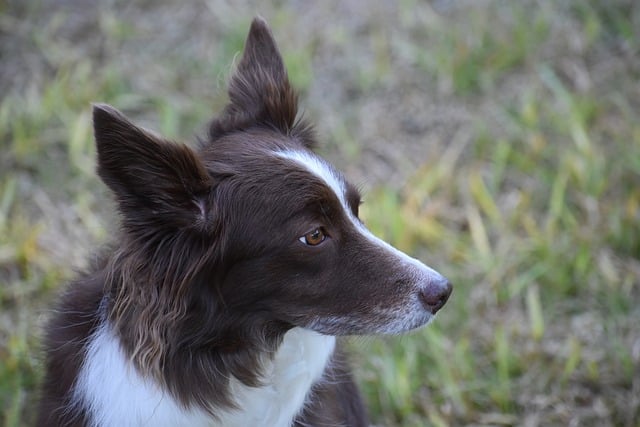
Teaching your puppy not to nip hands is essential for fostering good behavior and ensuring safe interactions. This nipping behavior typically arises during play or teething, as puppies explore their environment with their mouths. To successfully curb this habit, redirect their attention to appropriate chew toys and consistently reinforce positive behavior.
Many owners mistakenly allow their puppies to nip during play, inadvertently encouraging the behavior. It’s crucial to set clear boundaries from the start. Using a firm “no” or withdrawing attention when nipping occurs can help communicate that such behavior is unacceptable. Additionally, providing plenty of alternative outlets for chewing can mitigate the urge to nip.
Understanding Why Puppies Nip
Puppies nip for various reasons, including teething, playfulness, and exploration. It’s a natural part of their development, as they learn about their environment. However, understanding the underlying reasons for this behavior is vital for effective correction. If a puppy is biting too hard during play, it can be both painful and inappropriate.
To address this, observe your puppy’s body language and the context in which nipping occurs. If they are overly excited or aggressive, it might indicate a need for more structured playtime. Managing their energy levels through exercise and training can significantly reduce nipping incidents.
Redirecting Nipping Behavior
To effectively redirect nipping behavior, provide your puppy with appropriate chew toys or treats when they start to nip at hands. This teaches them what is acceptable to bite and chew. When your puppy begins to nip, immediately offer a toy as a substitute. Praise them when they engage with the toy instead of your hands.
Consistency is key. Use the same toy each time, so your puppy learns to associate the toy with playtime. Additionally, consider incorporating interactive toys or puzzle feeders, which can keep your puppy mentally stimulated and distracted from nipping.
Establishing Positive Reinforcement
Positive reinforcement is a powerful tool in training your puppy not to nip. Whenever your puppy refrains from nipping and plays gently, offer praise or a treat. This approach motivates them to repeat the desired behavior. Be sure to reward them immediately after they display good behavior to create a strong association.
Additionally, incorporating training commands, such as “leave it” or “gentle,” can further enhance your puppy’s understanding of appropriate behavior. Regularly practicing these commands during playtime can help reinforce the lessons you are teaching.
Common Mistakes to Avoid
One of the most common mistakes owners make is allowing their puppies to nip during playtime. While it may seem harmless, it can lead to more aggressive behavior as the puppy matures. Avoid using your hands as toys, as this encourages nipping and can make it difficult to correct later.
Another mistake is inconsistency in training. If you sometimes allow nipping but correct it at other times, your puppy will become confused about what behavior is acceptable. Establishing a consistent response to nipping will help your puppy learn more effectively.
Frequently Asked Questions
What should I do if my puppy continues to nip despite training?
If your puppy continues to nip after training, consider consulting a professional dog trainer for personalized guidance and support.
At what age do puppies usually stop nipping?
Puppies typically begin to outgrow nipping between 4 to 6 months of age, but consistent training is essential to prevent it from becoming a habit.
Is it normal for puppies to nip when playing?
Yes, nipping is a normal behavior for puppies as they explore and play, but it should be redirected to appropriate toys.
How can I teach my puppy to be gentle with their mouth?
Use positive reinforcement techniques, such as rewarding gentle behavior and employing commands like “gentle” during playtime.
Can I use negative reinforcement to stop nipping?
While some owners use negative reinforcement, it is generally more effective to focus on positive reinforcement and redirecting behavior rather than punishment.
Conclusion
To effectively teach your puppy not to nip hands, it’s crucial to redirect their behavior, provide appropriate chew toys, and use positive reinforcement. Understanding the reasons behind nipping and establishing clear boundaries will help cultivate a well-mannered pet. Consistency in training and avoiding common mistakes will ensure your puppy learns the right behaviors and builds healthy habits for the future.