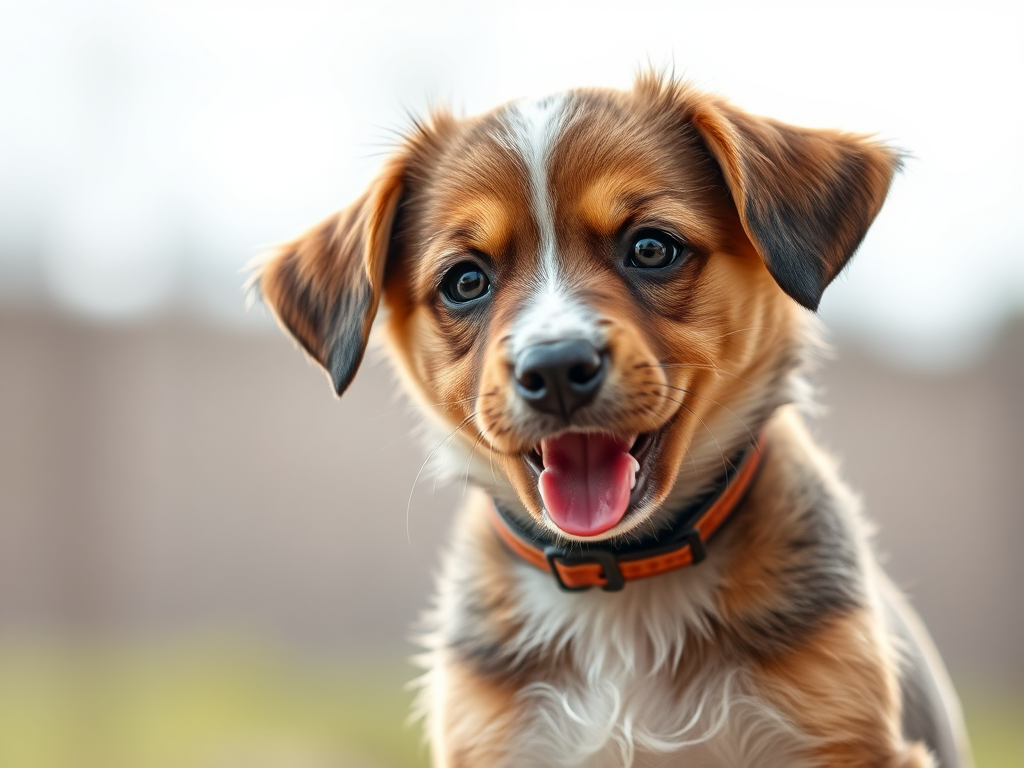
To teach impulse control to an excitable puppy, use techniques such as the 'wait' command, rewarding calm behavior, and engaging in structured play sessions. Start by practicing short waits before meals or play, gradually increasing duration. This helps your puppy learn to manage excitement and enhances overall obedience. Avoid overwhelming situations initially, as they can lead to frustration and setbacks.
Understanding Impulse Control in Puppies
Impulse control is critical for a puppy’s development, especially for excitable breeds. Puppies often act on instinct and excitement, which can lead to unwanted behaviors such as jumping, barking, or nipping. Understanding why impulse control matters helps set the stage for effective training. Puppies thrive in structured environments where they learn to wait for cues before acting. This not only enhances their behavior but also fosters a stronger bond between the puppy and owner.
The first step in teaching impulse control is recognizing that puppies have limited self-control. Their brain development is ongoing, and they often struggle to resist immediate gratification. This can lead to challenges in training if not addressed early. By focusing on impulse control, you can teach your puppy to think before acting, which is essential for their safety and social interactions.
Practical Techniques for Teaching Impulse Control
Implementing specific training techniques can significantly improve your puppy’s impulse control. Start with basic commands like ‘sit’ and ‘stay.’ These commands provide a foundation for self-control and can be practiced in various situations. Begin in a quiet environment to minimize distractions, gradually introducing more stimulating settings as your puppy becomes more adept.
One effective method is the ‘wait’ command. Use this command before meals or during playtime. For instance, ask your puppy to sit and wait for a few seconds before releasing them to eat or play. This approach teaches patience and rewards calmness. Always reward your puppy with praise or treats when they successfully wait, reinforcing the desired behavior.
Another technique is to engage in structured play sessions that require your puppy to exhibit self-control. For example, during fetch, only throw the toy when your puppy is calm and waiting. This helps them associate calm behavior with positive outcomes. Additionally, incorporating short training sessions throughout the day can be beneficial, as they cater to a puppy’s short attention span.
Common Mistakes to Avoid
While teaching impulse control, certain pitfalls can hinder progress. One common mistake is expecting immediate results. Puppies take time to learn, and frustration can lead to inconsistent training. Be patient and consistent in your approach; celebrate small victories along the way.
Another mistake is using punishment as a training method. Punishment can lead to fear and anxiety, which may exacerbate impulsive behaviors. Instead, focus on positive reinforcement to encourage desired behaviors. If your puppy struggles with impulse control, avoid overwhelming situations that may trigger excitement and revert your training progress.
Reinforcing Good Behavior
Reinforcement plays a crucial role in teaching impulse control. When your puppy exhibits calm behavior, immediately reward them with treats, praise, or affection. This positive reinforcement strengthens the association between calmness and rewards, encouraging them to repeat these behaviors.
Incorporating various rewards can keep the training engaging for your puppy. Use high-value treats that they don’t receive often, or vary the types of praise you provide. Additionally, consider incorporating toys or playtime as rewards for good behavior, making the learning process enjoyable.
Regularly practicing impulse control techniques in different environments helps solidify your puppy’s learning. Gradually increase distractions during training sessions to challenge their impulse control skills. This approach prepares your puppy for real-world scenarios where self-control is essential.
Frequently Asked Questions
What are the signs of poor impulse control in puppies?
Signs include excessive barking, jumping, nipping, and difficulty settling down. Puppies may also struggle to follow commands in stimulating environments.
How long does it take to teach impulse control?
The time varies by puppy, but consistent training can show improvements within a few weeks. Patience and regular practice are key.
Can all puppies learn impulse control?
Yes, all puppies can learn impulse control. Some may require more time and tailored techniques based on their breed and temperament.
Is it better to train in short sessions?
Yes, short training sessions (5-10 minutes) are effective due to a puppy's limited attention span. Frequent, brief sessions help maintain engagement.
What should I do if my puppy becomes overly excited during training?
If your puppy becomes too excited, take a break and allow them to calm down before resuming training. Gradual exposure to distractions can help.
Conclusion
Teaching impulse control to an excitable puppy is essential for their development and your relationship. Focus on consistent training techniques, positive reinforcement, and patience. By gradually increasing challenges and practicing in various environments, your puppy will gain the skills needed to manage their excitement effectively. Prioritize calmness and reinforce good behavior to foster a well-mannered companion.