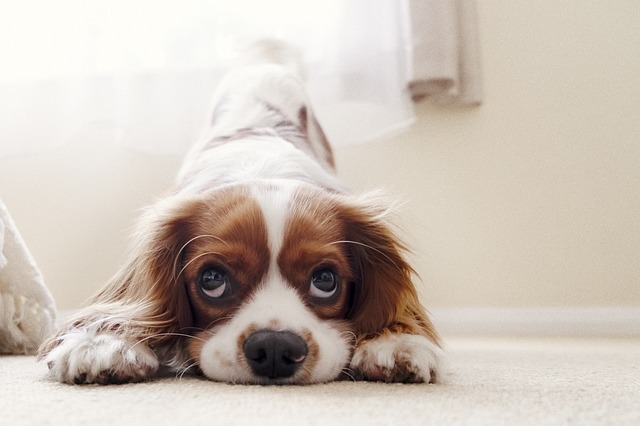
To stop your puppy from barking at guests, establish a calm environment and train your puppy to associate visitors with positive experiences. The main trigger for barking often stems from excitement or fear of the unknown. Start by desensitizing your puppy to the presence of guests through gradual introductions and rewarding calm behavior. Consistency and patience are essential for long-term success.
When guests arrive, your puppy may bark due to anxiety or a desire to protect its territory. This behavior can be exacerbated if the puppy has not been properly socialized. It is crucial to address this barking not just to maintain peace during visits but also to ensure your puppy feels comfortable and secure. One common mistake is to scold the puppy for barking, which can create confusion and fear, making the behavior worse. Instead, focus on redirecting the barking through training and positive reinforcement.
Understanding the Causes of Barking
Identifying why your puppy barks is the first step in addressing the behavior. Puppies may bark at guests due to excitement, fear, or a protective instinct. Understanding these triggers can help you target the root cause effectively. For instance, a puppy that barks out of fear may need more exposure to new people in a controlled manner.
Additionally, excitement barking can often be managed by teaching your puppy to remain calm when guests arrive. This can involve training exercises that reinforce quiet behavior and redirect attention away from the guests. By creating a structured approach, you can better manage your puppy’s reactions and reduce excessive barking.
Effective Training Techniques
Training your puppy to stop barking at guests involves establishing clear commands and consistent routines. Start by teaching basic commands like ‘quiet’ or ‘enough’ and rewarding your puppy for compliance. Use treats and praise to reinforce these commands when your puppy remains calm as guests enter.
Practicing these commands in various situations, including during quiet moments or when the doorbell rings, helps your puppy associate calmness with positive outcomes. Gradually increase the level of distraction by having friends or family members act as guests, rewarding your puppy for their good behavior. Remember that training takes time, and patience is key in achieving lasting results.
Socialization Strategies
Socialization plays a crucial role in reducing barking at guests. Exposing your puppy to different environments, people, and experiences helps build their confidence and reduces fear-based barking. Start socialization efforts early by introducing your puppy to a variety of people and situations.
Consider arranging playdates with other dogs or inviting friends over to help your puppy become accustomed to visitors. Positive reinforcement during these encounters, such as treats or praise for calm behavior, can effectively change your puppy’s perception of guests from something to be wary of to something enjoyable.
Common Mistakes to Avoid
A common mistake many puppy owners make is responding to barking with punishment. This approach can lead to confusion and fear, worsening the barking behavior. Instead, focus on rewarding calmness and redirecting attention to more appropriate behaviors.
Another mistake is failing to provide adequate socialization opportunities. Puppies that are not exposed to various experiences may become fearful or overly excited when new guests arrive. Ensure that you are proactive in socializing your puppy in safe and positive environments to minimize future barking issues.
Frequently Asked Questions
What should I do if my puppy barks at every guest?
Start by training your puppy to respond to commands like ‘quiet’ and reward them when they remain calm around guests.
How can I socialize my puppy effectively?
Introduce your puppy to various people and environments gradually, rewarding calm behavior to build their confidence.
Is it okay to scold my puppy for barking?
No, scolding can create confusion and fear. Instead, redirect their attention and reward calmness.
How long will it take to train my puppy to stop barking?
The timeframe varies, but consistent training and socialization can lead to noticeable improvements within weeks.
What if my puppy continues to bark despite training?
If barking persists, consider consulting a professional trainer or behaviorist for tailored strategies.
Conclusion
To effectively stop your puppy from barking at guests, focus on understanding the underlying causes and implementing consistent training techniques. Socialization is key in helping your puppy feel more comfortable around new people. Avoid common mistakes such as scolding or neglecting socialization opportunities. With patience and dedication, you can create a calm environment for both your puppy and your guests.