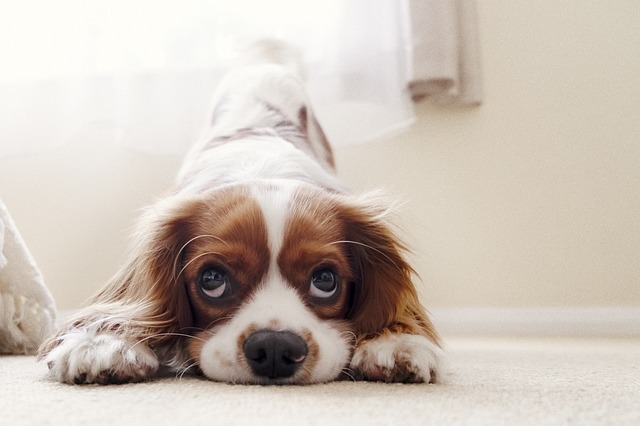
Accidents during potty training are a common part of the process, and handling them correctly is crucial for your puppy’s learning. The first step is to remain calm and avoid scolding your puppy, as this can create anxiety and confusion. Instead, clean the area thoroughly to eliminate any odors that may encourage repeat accidents in the same spot. Understanding that accidents are a normal part of the training journey helps you create a supportive environment for your puppy.
Next, recognize that many accidents happen due to a puppy’s inability to communicate their needs effectively. Puppies may not yet have full control over their bladder or may not understand the appropriate times to go outside. Establishing a consistent schedule for bathroom breaks, especially after meals, playtime, and naps, can significantly reduce the likelihood of accidents. Additionally, paying attention to your puppy’s behavior for signs they need to go out—such as sniffing, circling, or whining—can help you intervene before an accident occurs.
Understanding Common Causes of Accidents
Many accidents occur due to a puppy’s developing bladder control and lack of understanding of their needs. Puppies typically cannot hold their bladder for long periods, especially at a young age. Recognizing this can help you adjust your expectations and responses during training. It’s also essential to note that changes in routine, such as moving to a new home or changes in your schedule, can lead to more frequent accidents as your puppy adjusts to the new environment.
One common mistake owners make is expecting their puppies to have full control too soon. Puppies under six months often need to relieve themselves more frequently, so be prepared for accidents during this stage. Keeping a close watch during this period and responding quickly will help reinforce the learning process.
Effective Cleaning Techniques
Cleaning up after an accident is essential not only for hygiene but also for preventing repeat accidents in the same location. Use an enzymatic cleaner specifically designed for pet messes; these products break down the odor-causing substances that regular cleaners may leave behind. Avoid ammonia-based cleaners, as they can mimic the smell of urine and encourage your puppy to mark the area again.
After cleaning, ensure the area is thoroughly dried. If possible, place an object like a crate or a pet bed in the area to discourage your puppy from returning to that spot. Consistency in cleaning will help your puppy learn that specific areas are not for relieving themselves.
Establishing a Routine
A consistent routine is vital for successful potty training. Establish regular feeding times and take your puppy outside immediately after meals, playtime, and naps. Puppies thrive on routine, and knowing when to expect bathroom breaks can aid their understanding of when and where to go.
Additionally, consider using verbal cues when you take your puppy outside. Using consistent phrases like “go potty” can help your puppy associate those words with the action. This will not only aid in communication but also reinforce the behavior you want to see.
Reinforcing Positive Behavior
When your puppy successfully goes potty outside, immediately reward them with praise or a treat. Positive reinforcement is one of the most effective training methods. This encourages your puppy to repeat the behavior, understanding that going outside is the desired action.
Avoid punishment for accidents, as this can lead to fear and anxiety, which may exacerbate the problem. Instead, focus on celebrating successes, no matter how small, to build your puppy’s confidence and learning.
When to Seek Professional Help
If your puppy continues to have frequent accidents despite consistent training, it may be time to consult a professional trainer or veterinarian. There could be underlying health issues affecting their ability to control their bladder, or you may need additional strategies tailored to your puppy’s specific needs.
Professional trainers can provide insights and methods that you may not have considered, helping you and your puppy progress effectively. Remember, seeking help is a proactive step in ensuring a successful potty training experience.
Frequently Asked Questions
What should I do if my puppy has an accident indoors?
Clean the area thoroughly with an enzymatic cleaner and avoid scolding your puppy, as this can create fear and confusion.
How often should I take my puppy outside during potty training?
Take your puppy outside every 1-2 hours, especially after meals, playtime, and naps, to establish a routine.
Is it okay to punish my puppy for accidents?
No, punishing your puppy can lead to anxiety and confusion. Instead, focus on positive reinforcement for successful potty breaks.
When should I expect my puppy to be fully potty trained?
Most puppies can be fully potty trained by six months to one year, but this can vary based on the individual dog and training consistency.
What are common signs that my puppy needs to go outside?
Common signs include sniffing, circling, whining, or pacing. Recognizing these behaviors can help you take your puppy outside in time.
Conclusion
Handling accidents during potty training requires patience, understanding, and a solid strategy. Focus on cleaning up properly, establishing a routine, and reinforcing positive behavior to guide your puppy toward successful potty training. If challenges persist, consider consulting a professional trainer for additional support. By approaching the training process with consistency and encouragement, you will help your puppy learn the appropriate behaviors more effectively.