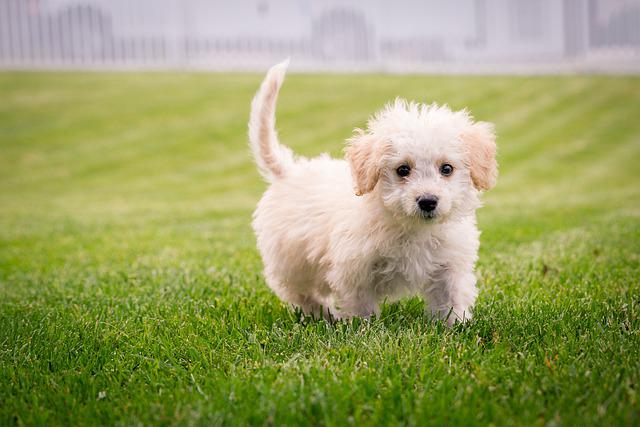
Building focus during puppy training is essential for effective learning and behavior modification. Engaging your puppy in stimulating activities while minimizing distractions can enhance their attention span significantly. Techniques such as using high-value treats, maintaining a consistent training routine, and employing interactive training games help to keep your puppy engaged and focused on tasks.
One common mistake is assuming that all puppies will naturally pay attention without proper guidance. Distractions from the environment can easily divert their focus, especially in new settings. It’s crucial to start training in a distraction-free environment and gradually introduce more challenging scenarios as your puppy’s focus improves. This structured approach helps puppies learn to concentrate even when faced with distractions.
Understanding Puppy Focus
Puppy focus is the ability of a young dog to concentrate on tasks and commands without being easily distracted. This ability can be influenced by various factors, including the puppy’s age, breed, and previous experiences. Understanding these elements is vital for tailoring training approaches that cater to your puppy’s unique needs.
For instance, some breeds are more predisposed to distraction due to their high energy levels or curiosity. Recognizing these traits allows trainers to implement strategies that harness the puppy’s natural tendencies while promoting focus. Early socialization and exposure to different environments also play a crucial role in developing a puppy’s ability to concentrate.
Techniques to Enhance Focus
Effective techniques to build focus include using positive reinforcement, interactive toys, and structured training sessions. Positive reinforcement involves rewarding good behavior with treats, praise, or play, which encourages puppies to focus on the task at hand. Interactive toys can keep puppies engaged and stimulate their minds, making them more likely to concentrate during training sessions.
Additionally, keeping training sessions short and engaging helps maintain your puppy’s interest. Aim for sessions of 5 to 10 minutes, allowing for breaks and playtime in between. This prevents fatigue and frustration, promoting a positive training experience that fosters focus.
Common Challenges in Puppy Training
One of the most significant challenges in training puppies is managing distractions. Puppies are naturally curious and may become easily distracted by sounds, sights, or smells in their environment. To combat this, trainers should start in a quiet area and gradually introduce distractions as the puppy becomes more adept at focusing.
Another challenge is the inconsistency in training methods. It’s essential to maintain a uniform approach to commands and rewards to avoid confusing your puppy. Consistency helps reinforce learning and builds trust between the trainer and the puppy, fostering a stronger focus during training.
Frequently Asked Questions
What are some effective ways to improve focus in my puppy?
Using high-value treats, engaging in interactive games, and maintaining consistent training routines are effective methods to improve your puppy’s focus.
How long should training sessions be for puppies?
Training sessions for puppies should ideally last between 5 to 10 minutes to keep them engaged without overwhelming them.
What common distractions should I avoid during training?
Common distractions include loud noises, other pets, and unfamiliar environments. Begin training in a quiet space to minimize these distractions.
Why is consistency important in puppy training?
Consistency helps reinforce learning and builds trust, making it easier for your puppy to understand and follow commands.
Can socialization improve my puppy’s focus?
Yes, proper socialization exposes your puppy to various environments and stimuli, helping them learn to focus despite distractions.
Conclusion
Building focus during puppy training is crucial for effective learning and behavioral development. By employing techniques such as positive reinforcement, keeping sessions short, and gradually introducing distractions, you can significantly enhance your puppy’s ability to concentrate. Remember to be patient and consistent in your training approach, as these elements are vital for fostering a strong bond and ensuring lasting focus in your puppy.