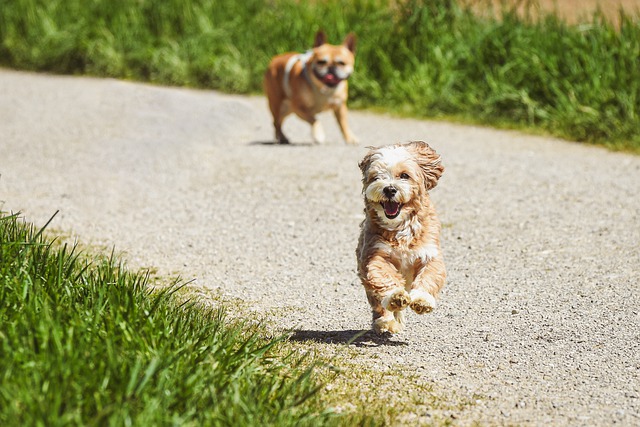
Building an effective puppy training routine involves creating a structured schedule that balances training, play, and socialization. This approach not only helps your puppy learn essential commands and behaviors but also fosters a strong bond between you and your pet.
Next, it’s crucial to understand the importance of consistency in your training routine. Puppies thrive on routine and predictability, which helps them feel secure and reduces anxiety. Regular training sessions should be short—ideally 5 to 15 minutes—to maintain your puppy’s attention and avoid frustration. Incorporate playtime and socialization into your schedule to reinforce training in real-world situations.
Common mistakes in puppy training include inconsistency in commands, allowing unwanted behaviors to persist, and failing to adjust the routine based on your puppy’s evolving needs. For example, if your puppy seems overwhelmed during training, consider shortening sessions or introducing more positive reinforcement. Recognizing these pitfalls early can lead to a more effective training experience.
Establishing a Consistent Training Schedule
To create a successful training routine, start by establishing a consistent schedule that includes designated times for training, feeding, and socialization. This predictability helps your puppy understand what to expect, reducing anxiety and improving focus during training sessions. Aim for multiple training sessions throughout the day, preferably after meals or playtime when your puppy is more receptive to learning.
Consider using a training calendar or app to track your puppy’s progress and adjust the schedule as needed. For instance, if you notice your puppy struggling with a specific command, allocate more time to practice that skill while maintaining the overall routine. Remember, the goal is to create a balanced routine that promotes learning and development without overwhelming your puppy.
Another vital aspect of establishing a routine is ensuring that each session is enjoyable for your puppy. Incorporate play and rewards to keep your puppy engaged and motivated. This approach not only reinforces positive behaviors but also strengthens the bond between you and your pet, making training a rewarding experience for both parties.
Positive Reinforcement Techniques for Success
Positive reinforcement is a powerful tool in puppy training, as it encourages good behavior through rewards rather than punishment. This method promotes trust and helps your puppy associate training with positive experiences. Use treats, praise, or toys as rewards for desired behaviors, ensuring that they are given immediately after your puppy performs the expected action.
When implementing positive reinforcement, be mindful of your puppy’s preferences. Some puppies may respond better to treats, while others may be more motivated by play or verbal praise. Experiment with different rewards to discover what works best for your puppy, and adjust your training approach accordingly.
Additionally, consider using clicker training as a form of positive reinforcement. This technique involves using a clicker sound to mark the desired behavior, followed by a reward. Clicker training can help your puppy understand precisely what behavior is being rewarded, leading to faster learning and improved performance.
Common Mistakes to Avoid in Puppy Training
Even the most dedicated puppy owners can make mistakes during training that hinder progress. One common pitfall is inconsistency in commands and expectations. Ensure that all family members use the same commands and techniques to avoid confusing your puppy. Inconsistency can lead to frustration and slow down the learning process.
Another mistake is inadvertently rewarding unwanted behaviors. For instance, if you give your puppy attention for barking or jumping, you may reinforce those behaviors instead of discouraging them. Be vigilant about the behaviors you reward and focus on reinforcing positive actions instead.
Lastly, neglecting socialization can significantly impact your puppy’s development. Expose your puppy to various environments, people, and other animals to help them build confidence and adaptability. However, ensure that these experiences are positive and gradual to avoid overwhelming your puppy.
Real-Life Examples of Successful Training Routines
Successful puppy training routines often include a combination of structured training sessions and natural learning opportunities. For example, one owner might schedule daily training sessions focusing on sit, stay, and recall while integrating training into walks by practicing commands during leash time.
Another effective routine could involve setting aside specific times for socialization, such as visiting dog parks or inviting friends with dogs over for playdates. This approach not only reinforces training but also exposes the puppy to different situations, helping them learn how to behave appropriately in various contexts.
Moreover, tracking progress through a journal can provide valuable insights into what works and what doesn’t. By noting your puppy’s reactions to different training methods and environments, you can refine your approach and ensure that your routine remains effective and enjoyable.
Further Reading
If you’re looking for more information on building an effective puppy training routine, consider reading reputable dog training books or exploring online resources from well-established organizations. These materials can provide additional insights and techniques to enhance your training experience.
Further Reading
Authoritative Sources
- American Kennel Club
akc.orgTrusted dog training, behavior, breed, and puppy care guidance.
- American Veterinary Medical Association
avma.orgVeterinary guidance and animal health resources from a major professional association.
- ASPCA Pet Care
aspca.orgAnimal care, behavior, and safety resources for pet owners.
- Merck Veterinary Manual
merckvetmanual.comDetailed veterinary reference material on animal conditions, care, and treatment topics.
- AAHA for Pet Owners
aaha.orgPet owner guidance from the American Animal Hospital Association.
Frequently Asked Questions
How long should each training session last?
Each training session should ideally last between 5 to 15 minutes to keep your puppy engaged and prevent frustration.
What should I do if my puppy isn’t responding to commands?
If your puppy isn’t responding, consider adjusting your training methods, using different rewards, or shortening training sessions for better focus.
How can I socialize my puppy effectively?
Socialize your puppy gradually by exposing them to various environments, people, and animals in positive and controlled settings.
What are the signs of a well-trained puppy?
A well-trained puppy should respond consistently to commands, display good manners around people and other dogs, and remain calm in different situations.
How important is consistency in training?
Consistency is crucial in training, as it helps your puppy understand expectations and reinforces learning over time.
Conclusion
Building a successful puppy training routine requires a structured approach that balances training, play, and socialization. Focus on creating consistency, utilizing positive reinforcement techniques, and avoiding common mistakes to achieve the best results. Remember to adapt your routine as your puppy grows and develops to ensure ongoing success. By prioritizing these elements, you can cultivate a well-trained, confident, and happy companion.