Authority path: For the broader framework behind this article, see How do you leash train a puppy?.
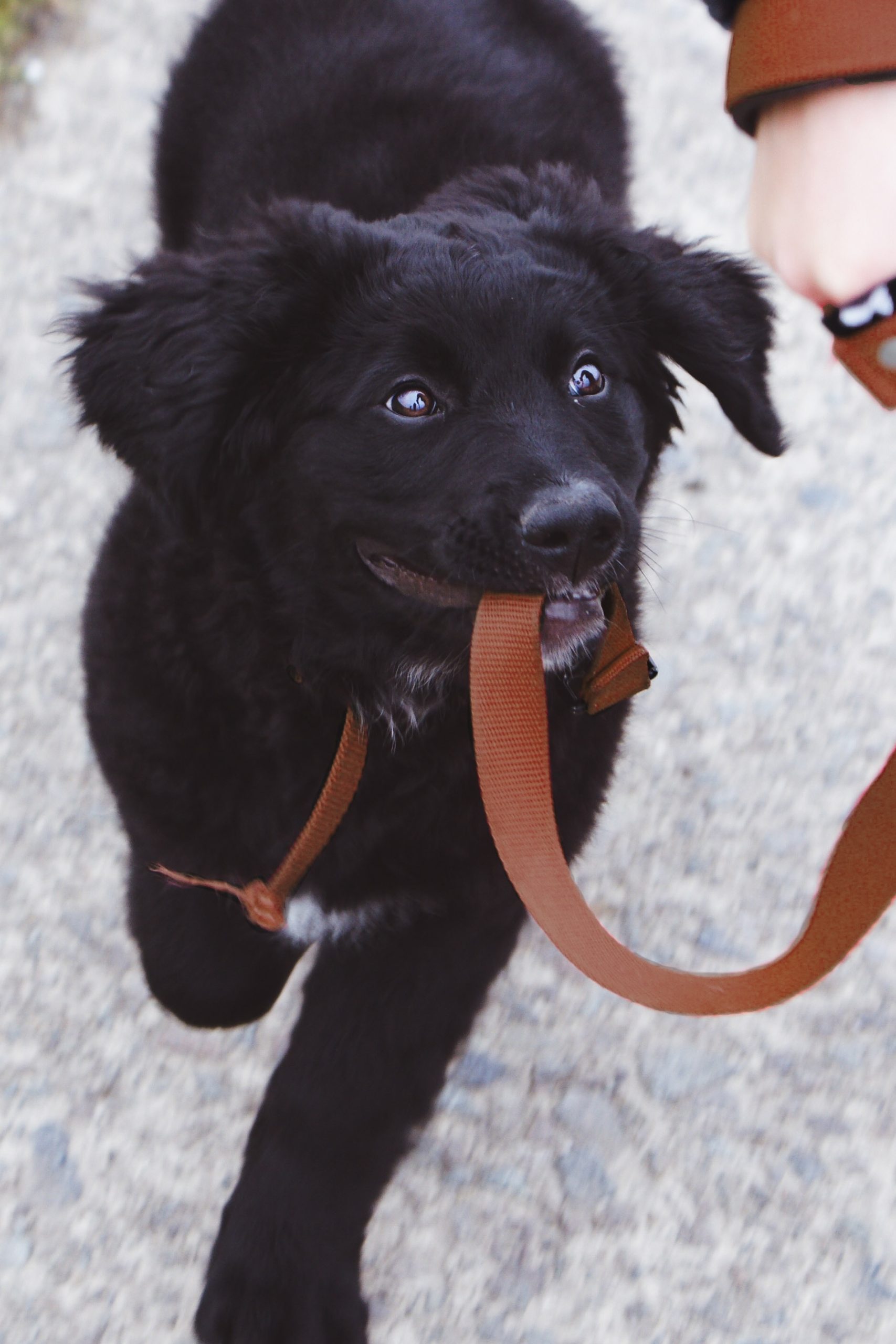
Consistency is Key
When it comes to training your puppy, consistency is crucial. Regular training sessions help reinforce behaviors and build a strong bond between you and your puppy.
Daily Training Sessions
Daily training sessions are highly recommended for puppies. Aim for several short sessions throughout the day to keep your puppy engaged and prevent them from getting bored.
Short and Sweet
Keep training sessions short and focused, as puppies have short attention spans. Short, frequent sessions are more effective than long, exhausting ones.
Factors to Consider
Puppy’s Age
The age of your puppy can impact the frequency of training. Younger puppies may need more frequent sessions, while older puppies can handle slightly longer breaks in between.
Learning Progress
Pay attention to your puppy’s progress. If your puppy quickly grasps a new command or behavior, you can adjust the training frequency accordingly.
Training Goals
Set clear training goals for your puppy. If you’re working on multiple behaviors or commands, you may need to allocate more time for training each day.
Conclusion
Training your puppy is a rewarding experience that requires commitment and patience. By incorporating multiple short training sessions into your daily routine and considering your puppy’s individual needs, you can ensure a successful training journey with your furry companion.
[qmp_faq]
Related Reading
- Train Your Pooch With Some Simple Guidelines
- How To Train A Dog Like A Professional Dog Trainer
- Simple Tips And Tricks To Help You Train Your Dog
- Proven Methods Of Effective Puppy Training.
- Great Tips That Can Help You Train Your Dog
[qmp_faq]