Are you ready to give your dog the best possible training? Training a dog can be challenging, but it’s also incredibly rewarding. In this article, we will answer some frequently asked questions about dog training and help you get started on the right foot with your furry friend!
When Should You Train Your Puppy?
The sooner the better! It’s never too early to start training your puppy. Ideally, you should begin when they are around 8-10 weeks old. This is because during these crucial developmental stages, puppies are most receptive to learning new things. By starting early, you can set yourself up for success and avoid many common behavior problems that may arise later in life.
What Is The Best Way To Potty Train Your Puppy?
Potty training is one of the first steps towards having a well-behaved pup. There are several methods you can use to potty train your puppy, including crate training, paper training, and positive reinforcement training. Crate training involves using a designated area where your puppy can go to relieve themselves without causing any damage or messes. Paper training involves teaching your puppy to eliminate on specific papers placed throughout the house until they learn to associate their actions with the desired outcome. Positive reinforcement training involves praising and rewarding your puppy for eliminating outside or in the appropriate place. Ultimately, which method works best depends on your individual situation and preferences.
What Is The Best Obedience Training For My Dog?
Obedience training is essential for building a strong bond between you and your dog while also ensuring they behave appropriately in public settings. Some popular obedience training techniques include clicker training, leash/collar training, and e-collars. Clicker training uses a clicking sound as a marker for good behavior followed by a treat or verbal praise. Leash/collar training involves teaching your dog basic commands like “come,” “stay,” and “heel” through gentle corrections and rewards. E-collars emit small shocks or vibrations to correct bad behaviors, but must only be used under professional guidance.
How Many Days Per Week Should I Train My Dog?
The amount of time spent training your dog each week varies depending on factors such as age, breed, and temperament. Generally speaking, experts recommend dedicating at least 30 minutes per day to training sessions, broken down into multiple shorter sessions if necessary. Consistency is key when it comes to dog training, so aim to stick to a regular schedule. Additionally, incorporating daily activities like walks and playtime into your routine can serve as informal training opportunities.

What Is The Best Puppy Training Method?
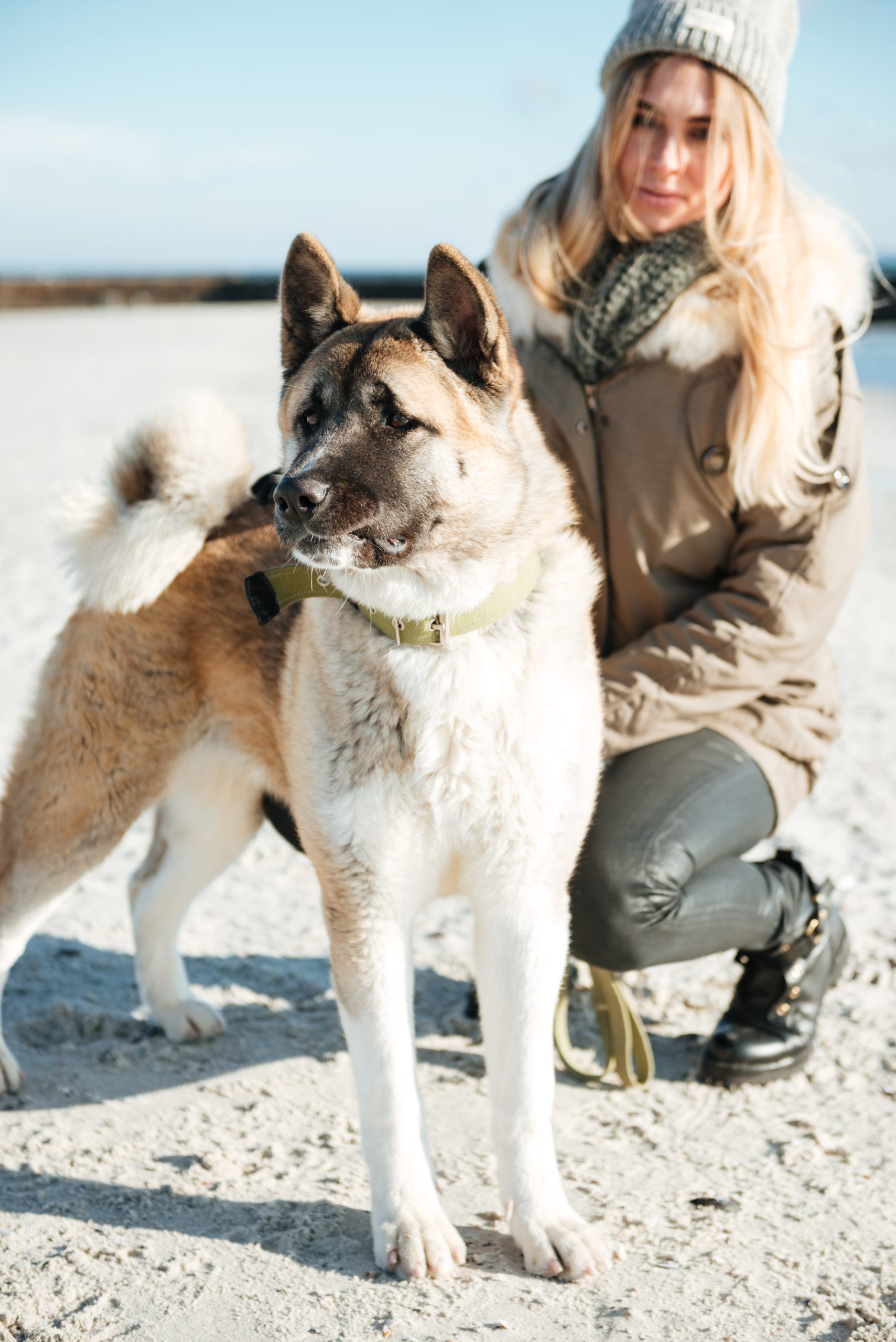
There are numerous puppy training methods available, ranging from traditional methods based on dominance theory to modern approaches emphasizing positive reinforcement. While there is no one-size-fits-all approach, research suggests that positive reinforcement methods tend to produce more reliable results over the long term. These methods involve using treats, toys, and other rewards to encourage desirable behaviors rather than punishing undesirable ones. With consistent practice and patience, you can teach your puppy all sorts of tricks and skills while strengthening your relationship along the way.