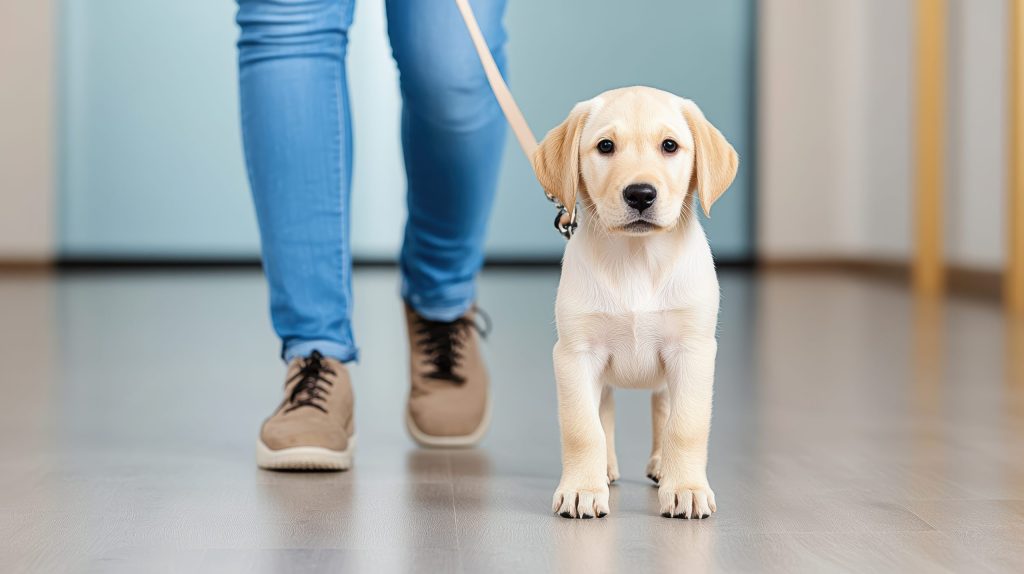
Quick Summary: Begin by choosing a lightweight, comfortable leash and collar or harness suited for your puppy. Introduce the leash indoors, allowing your puppy to get used to it by letting them sniff and explore it without tension. Practice short, positive sessions where you gently encourage your puppy to walk beside you using treats and praise, gradually increasing the duration. Consistency and patience are key; always reward good behavior and avoid pulling or forcing your puppy to walk.
In This Article
- Effective Strategies for Leash Training Your Puppy Successfully
- Understanding the Importance of Leash Training
- Preparing for Successful Leash Training
- Step-by-Step Guide to Leash Training
- Common Challenges and How to Overcome Them
- Additional Tips for Effective Leash Training
- When to Seek Professional Help
- Conclusion
- Common Questions People Ask
- How do I start leash training with my puppy?
- What are common mistakes to avoid during puppy leash training?
- What is leash training puppy and how does it work?
Effective Strategies for Leash Training Your Puppy Successfully
Leash training a puppy begins with selecting a lightweight, comfortable collar or harness that fits snugly without causing discomfort, setting the stage for a positive experience. Introducing the leash indoors allows your puppy to familiarize themselves with the new sensation, sniffing and exploring it at their own pace without any pressure. Short, gentle sessions filled with treats and praise help build your puppy’s confidence and understanding that walking beside you is a rewarding activity. Patience and consistency are essential, as each successful step reinforces good behavior, while pulling or forcing only creates confusion and resistance. With time and gentle guidance, your puppy will learn to walk calmly on a leash, transforming outdoor outings into enjoyable adventures.
Understanding the Importance of Leash Training
Leash training is a crucial aspect of responsible pet ownership. It ensures your puppy’s safety by preventing them from running into dangerous situations, such as busy roads or aggressive animals. Additionally, well-trained leash behavior allows you to enjoy outdoor activities together, like walks in the park, hiking, or visiting pet-friendly cafes, without stress or chaos.
Beyond safety, leash training helps your puppy develop impulse control and respect for boundaries. It teaches them to walk beside you calmly, respond to commands, and understand that walks are a positive experience. Proper leash manners also reduce the likelihood of behavioral issues like pulling, lunging, or barking excessively during walks.
Remember, puppies are naturally curious and energetic. Patience and consistency are key to transforming their initial excitement into calm, controlled walking habits.
Preparing for Successful Leash Training
Before you begin leash training, gather the right equipment and create a positive environment:
- Choose the right collar or harness: A well-fitting harness is often recommended for puppies as it distributes pressure evenly and reduces strain on their neck. Avoid choke chains or prong collars, which can cause injury or fear.
- Select a suitable leash: A standard 4-6 foot nylon or leather leash provides enough length for freedom while maintaining control.
- Pick a quiet training area: Start in a low-distraction environment such as your backyard or a quiet park to help your puppy focus.
- Have plenty of treats on hand: Use small, soft treats that your puppy loves to reinforce good behavior.
- Be patient and calm: Your attitude influences your puppy’s response. Approach training with positivity and patience.
Step-by-Step Guide to Leash Training
1. Introducing the Collar and Leash
Begin by allowing your puppy to get accustomed to wearing a collar or harness in a familiar environment. Let them wear it for short periods, rewarding calm behavior with treats and praise. Once they are comfortable, attach the leash and let them drag it around indoors under supervision. This helps them associate the leash with positive experiences.
2. Teaching ‘Loose Leash’ Walking
The goal is for your puppy to walk beside you without pulling. Start walking at a slow pace, encouraging your puppy to stay close with treats held at your side. If they pull ahead, stop immediately and call them back to your side, rewarding when they return calmly. Use a command like “heel” or “let’s go” consistently.
Practice this in short sessions, gradually increasing duration as your puppy becomes more comfortable. Always reward relaxed walking with treats and praise to reinforce the behavior.
3. Using Positive Reinforcement
Puppies respond best to positive reinforcement. Whenever your puppy walks nicely on the leash, immediately reward them with treats, praise, or a favorite toy. This encourages them to repeat the behavior.
If your puppy starts to pull or become distracted, gently redirect their attention with a treat or a command they know well. Avoid harsh corrections or pulling on the leash, as this can create fear or resistance.
4. Gradually Increasing Distractions
Once your puppy masters leash walking in quiet areas, gradually introduce more distractions such as other dogs, people, or busy streets. Keep training sessions short and positive, and always reward calm behavior.
This step helps your puppy learn to focus on you despite external stimuli, building confidence and good manners in various environments.
Common Challenges and How to Overcome Them
- Pulling on the Leash: If your puppy pulls ahead, stop walking immediately and stand still until they return to your side. Use treats to lure them back and reward when they do so calmly. Consistency is key—never continue walking if they are pulling.
- Fear or Anxiety: Some puppies may be hesitant or fearful of certain environments or equipment. Go slowly, use treats to build positive associations, and avoid forcing them into stressful situations.
- Distractions: When encountering distractions like other dogs or loud noises, keep your puppy focused with treats and commands. Practice in controlled environments before venturing into busier areas.
- Lack of Focus: Puppies have short attention spans. Keep training sessions brief (5-10 minutes) and end on a positive note to maintain enthusiasm.
Additional Tips for Effective Leash Training
- Consistency is Key: Use the same commands and routines every time you walk your puppy. Consistent cues help them understand expectations.
- Practice Regularly: Short daily walks are more effective than infrequent long sessions. Repetition reinforces good habits.
- Stay Calm and Patient: Puppies pick up on your emotions. Stay relaxed even if progress seems slow.
- Avoid Punishment: Never punish your puppy for pulling or not following commands. Focus on rewarding desired behaviors instead.
- Socialize Safely: Expose your puppy to different environments, people, and other dogs gradually and positively to build confidence and good social manners.
When to Seek Professional Help
If you encounter persistent challenges such as severe pulling, fearfulness, or aggression during leash training, consider consulting a professional dog trainer or behaviorist. They can provide personalized guidance tailored to your puppy’s needs and help address underlying issues effectively.
Remember, patience and consistency are vital. Every puppy learns at their own pace, and with dedicated effort, you’ll enjoy peaceful walks together in no time.
Conclusion
Leash training is an essential skill that benefits both you and your puppy throughout their life. By understanding the importance of positive reinforcement, practicing regularly in controlled environments, and gradually increasing difficulty levels, you can teach your puppy to walk politely on a leash confidently. Celebrate small successes along the way and always approach training with patience and love. With time and dedication, outdoor adventures will become enjoyable experiences filled with trust and mutual respect.
Common Questions People Ask
How do I start leash training with my puppy?
Begin leash training by introducing your puppy to the collar and leash in a familiar, distraction-free environment. Allow your puppy to wear the collar and leash for short periods, rewarding them with treats and praise. Gradually encourage your puppy to walk beside you, using positive reinforcement to build confidence and comfort with the leash.
What are common mistakes to avoid during puppy leash training?
A common mistake is pulling on the leash or forcing the puppy to walk when they are uncomfortable, which can create fear or resistance. Another error is rushing the process; patience is key. Avoid using punishment or harsh corrections, as these can damage your puppy’s trust and hinder progress.
What is leash training puppy and how does it work?
In simple terms, leash training puppy refers to the core process or practice behind your project. For example, a beginner might break a large task into smaller milestones and set aside 5–10 hours to experiment with basic techniques. This helps you plan your time, gather the right materials and measure progress. Understanding these mechanics ensures you work efficiently and achieve tangible results.