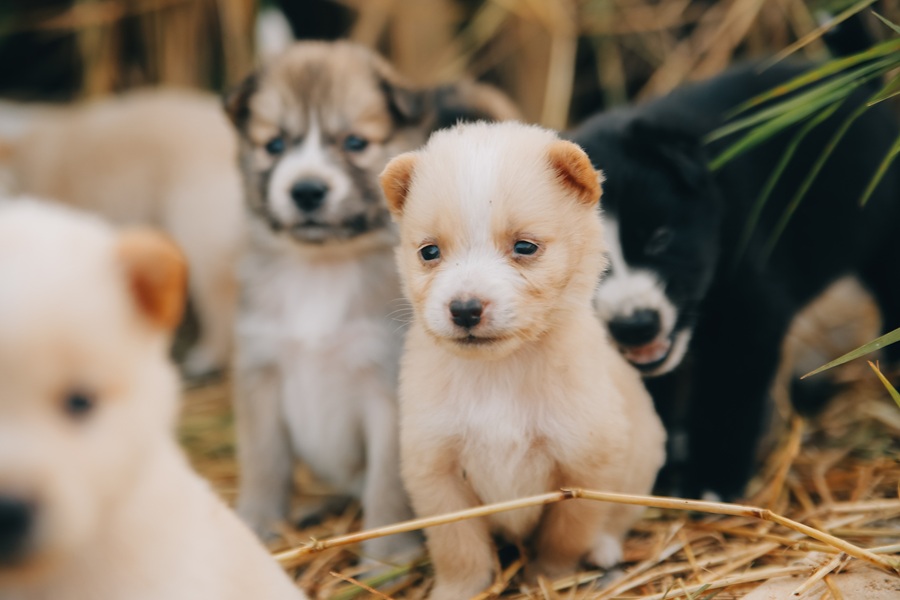
Instant Insight: Start house training your puppy by establishing a consistent schedule for feeding, bathroom breaks, and playtime. Take your puppy outside frequently, especially after eating, sleeping, or playing, and praise them immediately when they go in the right spot. Supervise your puppy indoors to prevent accidents and use crate training to help them learn bladder control. Be patient and consistent, as house training typically takes several weeks to a few months.
Authority path: For the broader framework behind this article, see How Long Does House Training A Puppy Usually Take?.
Article Guide
- Effective Strategies for House Training a Puppy
- Understanding Your Puppy’s Needs and Behavior
- Setting Up a Consistent Routine
- Choosing the Right Equipment and Environment
- Positive Reinforcement Techniques
- Handling Accidents Effectively
- Gradually Increasing Freedom
- Common Challenges and How to Overcome Them
- Additional Tips for Success
- The Benefits of Proper House Training
- Conclusion
- Questions You Might Have
- How long does it typically take to house train a puppy?
- What are the best methods to prevent accidents inside the house?
- How can I effectively crate train my puppy for house training?
Effective Strategies for House Training a Puppy
House training a puppy can feel like a daunting task, but with patience and a clear plan, it becomes a manageable process. Establishing a consistent routine for feeding, bathroom breaks, and playtime helps your puppy understand what to expect and when to go outside. Frequent trips outdoors, especially after eating, napping, or playing, reinforce good habits, and immediate praise when they go in the right spot encourages them to repeat the behavior. Supervision indoors prevents accidents from becoming ingrained, while crate training offers a safe space that naturally promotes bladder control. Over time, your puppy will learn to associate specific cues with bathroom needs, making house training a rewarding journey for both of you.
Understanding Your Puppy’s Needs and Behavior
Before diving into specific training methods, it’s essential to understand your puppy’s natural instincts and behaviors. Puppies have small bladders and limited control over their elimination habits, which means frequent bathroom breaks are necessary. Typically, puppies can hold their bladder for about one hour per month of age. For example, a three-month-old puppy might need to go outside every three hours.
Additionally, puppies are curious and eager to explore their environment. This curiosity often leads to accidents indoors as they learn boundaries. Recognizing signs that your puppy needs to go outside—such as sniffing, circling, or whining—can help you anticipate and prevent accidents.
Understanding these behaviors allows you to tailor your training approach effectively, making the process smoother for both you and your puppy.
Setting Up a Consistent Routine
Consistency is the cornerstone of successful house training. Establishing a daily routine helps your puppy understand when and where they should eliminate. Here are some key points to consider:
- Designate specific bathroom times: Take your puppy outside first thing in the morning, after meals, after naps, and before bedtime. For example, a typical schedule might include outings at 7:00 am, 12:00 pm, 3:00 pm, 6:00 pm, and 10:00 pm.
- Use a designated bathroom area: Choose a specific spot in your yard or outdoor space where you want your puppy to go. Consistently taking them to the same spot helps reinforce the association.
- Feed on a regular schedule: Feeding your puppy at consistent times each day helps regulate their digestion and makes bathroom times more predictable.
Sticking to this routine will help your puppy develop a predictable schedule and reduce indoor accidents over time.
Choosing the Right Equipment and Environment
A successful house training process also depends on setting up an environment conducive to learning. Here are some tips:
- Use appropriate crates or confinement areas: Crate training is highly effective because dogs naturally avoid soiling their sleeping area. Choose a crate that comfortably fits your puppy with enough room to stand, turn around, and lie down.
- Create a safe indoor space: When you cannot supervise directly, confine your puppy to a safe area with puppy-proofed furniture and flooring. Use baby gates or playpens to limit access.
- Provide easy access to outdoor space: Ensure your yard or outdoor area is accessible and free of hazards like sharp objects or toxic plants.
Having the right equipment minimizes accidents and makes training more manageable.
Positive Reinforcement Techniques
Puppies respond best to positive reinforcement. Rewarding good behavior encourages them to repeat it. Here are some effective methods:
- Use treats and praise: When your puppy eliminates outside, immediately praise them with a cheerful voice and give a small treat. For example, say “Good girl!” or “Well done!” while offering the treat.
- Implement a clicker training system: Using a clicker can help mark the exact moment your puppy does something right. Click immediately after they finish eliminating outside, then reward.
- Be consistent with commands: Use simple commands like “Go potty” or “Do your business” consistently so your puppy associates the phrase with bathroom behavior.
Avoid punishment or scolding for accidents indoors. Instead, clean the area thoroughly with enzymatic cleaners to remove odors that might attract your puppy back to the same spot.
Handling Accidents Effectively
No matter how diligent you are, accidents will happen during house training. When they do, it’s important to handle them calmly and effectively:
- Stay calm and avoid punishment: Yelling or hitting can frighten your puppy and hinder training progress. Instead, calmly clean the area with an enzymatic cleaner designed for pet stains.
- Interrupt and redirect: If you catch your puppy in the act indoors, gently interrupt with a firm “No” or clap, then immediately take them outside to finish.
- Reinforce outside behavior: When they go outside after an indoor accident, praise generously to reinforce the desired behavior.
Gradually Increasing Freedom
As your puppy gains better control over their bathroom habits, gradually increase their freedom around the house. Start by allowing access to one room at a time under supervision. Use baby gates if necessary. Over time, as they consistently eliminate outside and stay clean indoors, you can expand their access.
This step-by-step approach prevents setbacks and helps your puppy learn boundaries without feeling overwhelmed.
Common Challenges and How to Overcome Them
Every puppy is unique, and some common challenges may arise during house training:
- Frequent accidents: This is normal for young puppies. Increase outdoor trips and reinforce routines.
- Persistent indoor marking: Spaying or neutering can reduce marking behavior. Clean all previous marking spots thoroughly.
- Reluctance to go outside in bad weather: Use covered patios or provide warm clothing for cold weather outings.
- Regression after initial success: Re-establish routines and reinforce positive behaviors. Sometimes stress or changes in environment can cause setbacks.
Additional Tips for Success
- Patience is key: House training takes time—sometimes several months—so stay consistent and patient throughout the process.
- Keep a journal: Track your puppy’s bathroom habits to identify patterns and optimize your schedule.
- Consult professionals if needed: If you encounter persistent issues, consider seeking advice from a professional dog trainer or veterinarian.
The Benefits of Proper House Training
Successfully house training your puppy not only keeps your home clean but also strengthens your bond. It teaches your puppy self-control and respect for boundaries. Well-trained puppies are more confident and less anxious because they understand what is expected of them. Additionally, proper house training reduces stress for everyone involved and sets the foundation for further obedience training.
Conclusion
House training a puppy requires dedication, patience, and consistency. By understanding your puppy’s needs, establishing routines, using positive reinforcement, and handling setbacks calmly, you can guide your new furry friend toward good habits that will last a lifetime. Remember that every puppy learns at their own pace—celebrate small victories along the way and enjoy the journey of raising a well-behaved companion.
Questions You Might Have
How long does it typically take to house train a puppy?
House training a puppy can take anywhere from a few weeks to several months, depending on the puppy's age, breed, and consistency in training. Patience and regular routines are key to success. Consistent reinforcement and positive rewards help the puppy learn faster and develop good habits.
What are the best methods to prevent accidents inside the house?
To prevent accidents, establish a regular schedule for feeding, potty breaks, and walks. Supervise your puppy closely and use crate training to encourage them to hold their bladder. Reward your puppy immediately after they go outside to reinforce the desired behavior.
How can I effectively crate train my puppy for house training?
Start crate training gradually by introducing the crate as a safe space with comfortable bedding and toys. Keep crate time appropriate for your puppy’s age and never use it as punishment. Consistently take your puppy outside after waking up, eating, or playing, and praise them when they eliminate outside.