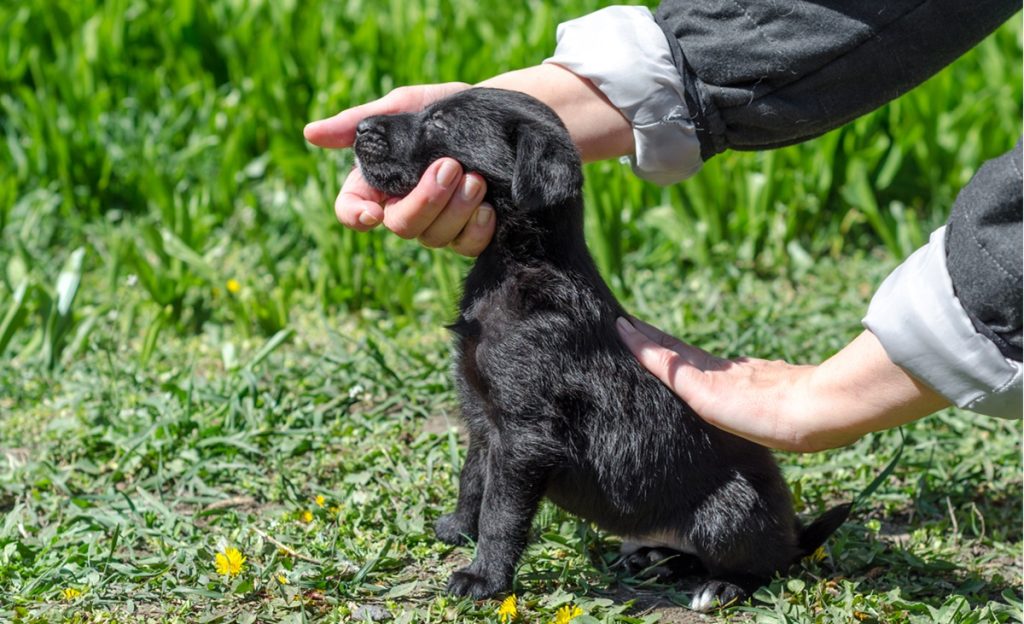
Instant Answer: A basic dog training checklist should include teaching essential commands such as sit, stay, come, and heel to ensure safety and good behavior. It should also cover house training, including crate training and potty breaks, to prevent accidents indoors. Socialization with other dogs and people is crucial for a well-adjusted pet, along with consistent routines and positive reinforcement techniques. Additionally, addressing leash manners and basic boundaries helps establish control and mutual respect.
Table of Contents
- Essential Elements for Effective Dog Training Success
- Understanding Your Dog’s Breed and Temperament
- Setting Clear Goals and Expectations
- Using Positive Reinforcement Techniques
- Consistency and Routine
- Training in Different Environments
- Managing Behavioral Challenges
- The Role of Socialization
- The Importance of Patience and Persistence
- Conclusion
- Other Questions People Ask
- How can I effectively train a stubborn dog?
- What are the best methods for housebreaking a puppy?
- How do I teach my dog basic commands like sit and stay?
Essential Elements for Effective Dog Training Success
Effective dog training is the foundation of a happy, well-behaved pet, but success hinges on understanding and implementing key elements that foster clear communication and mutual respect. From mastering essential commands like sit and come to establishing consistent routines, each step builds trust and safety for both owner and dog. Proper house training, including crate use and potty breaks, prevents indoor accidents and promotes independence, while socialization ensures your dog feels comfortable around other animals and people. Addressing leash manners and setting firm boundaries help create a balanced relationship rooted in positive reinforcement and patience.
Understanding Your Dog’s Breed and Temperament
One of the foundational elements of effective dog training is understanding your dog’s breed characteristics and individual temperament. Different breeds have distinct traits that influence how they learn and respond to training. For example, Border Collies are highly intelligent and thrive on mental stimulation, making them quick learners but also prone to boredom if not challenged. Conversely, breeds like Bulldogs may be more stubborn but are often very loyal and eager to please once they understand what’s expected.
Assessing your dog’s temperament is equally important. Some dogs are naturally more energetic and require vigorous exercise and mental engagement, while others are more laid-back and respond better to calm, gentle training sessions. Recognizing these traits allows you to tailor your approach, select appropriate training methods, and set realistic expectations.
For instance, a high-energy Labrador Retriever benefits from structured play and obedience exercises that channel their enthusiasm positively, whereas a shy Shih Tzu might respond better to gentle, reward-based training in a quiet environment.
Setting Clear Goals and Expectations
Before beginning any training program, it’s crucial to establish clear, achievable goals. Do you want your dog to sit on command, walk politely on a leash, or stop barking excessively? Defining specific objectives helps you stay focused and measure progress effectively.
For example, if your goal is to have your dog reliably come when called, start by practicing in a low-distraction environment with high-value treats. As your dog improves, gradually increase the difficulty by adding distractions or practicing in different locations. Setting incremental milestones keeps training manageable and prevents frustration for both you and your pet.
It’s also important to communicate your expectations clearly. Use consistent commands such as “sit,” “stay,” or “come,” and avoid changing them mid-training. Consistency helps your dog associate specific words with actions, reducing confusion and speeding up learning.
Using Positive Reinforcement Techniques
Positive reinforcement is widely regarded as the most effective and humane method for dog training. It involves rewarding desirable behaviors to encourage their repetition. Rewards can include treats, praise, playtime, or a combination of these.
For example, when your dog successfully sits on command, immediately reward them with a tasty treat and enthusiastic praise like “Good boy!” This immediate feedback helps your dog understand which behavior earned the reward. Over time, this encourages them to repeat the behavior without the need for physical corrections or harsh punishments.
Many professional trainers emphasize that treats should be high-value and given immediately after the desired behavior. For instance, small pieces of cooked chicken or cheese work well for most dogs. Additionally, incorporating verbal praise like “Yes!” or “Good job!” reinforces the positive association.
Remember that consistency is key—always reward the same behavior in the same way to avoid confusing your dog. This approach not only fosters trust but also builds a strong bond between you and your pet.
Consistency and Routine
Dogs thrive on routine and predictability. Consistent training sessions help your dog understand what is expected of them and reduce confusion. Establishing a daily schedule for training, walks, playtime, and rest creates a stable environment conducive to learning.
For example, practice basic commands like “sit” and “stay” at the same times each day—perhaps after meals or before walks. Use the same commands and gestures consistently so your dog can easily associate words with actions.
In addition to daily routines, consistency in rules is vital. If you allow your dog on the furniture sometimes but not others, it can lead to confusion. Decide on house rules from the outset—such as no jumping on guests or no chewing shoes—and enforce them uniformly.
This regularity not only accelerates learning but also helps prevent behavioral issues caused by inconsistent boundaries or expectations.
Training in Different Environments
While initial training should occur in a quiet, distraction-free environment like your living room or backyard, dogs need to generalize their learned behaviors across various settings. Practicing commands in different environments—parks, busy streets, or pet-friendly stores—ensures your dog responds reliably regardless of surroundings.
For example, a dog that sits promptly during a calm indoor session might become distracted by other dogs or loud noises outside. Gradually introducing distractions during training sessions helps your dog learn to focus on you despite environmental stimuli.
This process is called “proofing” commands and is essential for real-world obedience. It prepares your dog for everyday situations where they need to listen and respond promptly, such as during walks or visits to the vet.
Managing Behavioral Challenges
Addressing common behavioral issues early on is crucial for long-term success. Problems like excessive barking, jumping on guests, chewing furniture, or leash pulling can be managed effectively with targeted strategies.
- Barking: Identify triggers such as doorbells or other dogs and desensitize your dog gradually using controlled exposure combined with positive reinforcement for calm behavior.
- Jumping: Teach an alternative behavior like “sit” or “stay” when greeting people. Reward calm behavior and ignore jumping attempts.
- Chewing: Provide appropriate chew toys and supervise your dog closely. Redirect destructive chewing onto toys when necessary.
- Leash pulling: Use front-clip harnesses and practice loose-leash walking techniques, rewarding your dog for staying by your side.
Consistency and patience are key when correcting behavioral issues. Avoid punishment-based methods that can damage trust; instead, focus on positive reinforcement and redirection.
The Role of Socialization
Socialization is one of the most critical elements for well-behaved dogs. Exposing your puppy or adult dog to a variety of people, animals, environments, sounds, and experiences helps prevent fearfulness and aggression later in life.
Begin socialization early—ideally between 3 and 14 weeks of age—by introducing your puppy to different sights and sounds in a controlled manner. Puppy classes are excellent opportunities for safe social interactions with other dogs and handlers.
For adult dogs, gradual exposure to new situations combined with positive reinforcement can help overcome fears. For example, taking your dog to busy parks or pet-friendly stores while rewarding calm behavior encourages confidence and adaptability.
Proper socialization reduces anxiety during vet visits or when encountering unfamiliar people or animals outside your home.
The Importance of Patience and Persistence
Training takes time, especially with puppies or dogs with prior behavioral issues. Patience is essential; progress may be slow at times, but consistent effort yields results over time. Celebrate small victories—like a perfect sit or a calm greeting—and remain positive throughout the process.
If setbacks occur, analyze what might have caused them—distractions, fatigue, or inconsistent commands—and adjust accordingly. Remember that every dog learns at their own pace; some may pick up commands quickly while others require more repetition.
Persistence combined with positive reinforcement creates a trusting relationship where your dog feels safe to learn and grow. Avoid frustration or harsh corrections; instead, focus on building confidence through encouragement and patience.
Conclusion
Effective dog training hinges on understanding your pet’s unique traits, setting clear goals, employing positive reinforcement techniques, maintaining consistency, practicing in various environments, managing behavioral challenges thoughtfully, prioritizing socialization, and exercising patience. By integrating these essential elements into your training routine, you’ll foster a well-behaved, happy companion who responds reliably and enjoys a strong bond with you. Remember that training is an ongoing process—celebrate progress along the way and enjoy the journey of building a harmonious relationship with your furry friend.
Other Questions People Ask
How can I effectively train a stubborn dog?
Training a stubborn dog requires patience and consistency. Use positive reinforcement techniques, such as treats and praise, to motivate your dog. Keep training sessions short and frequent, and avoid punishment, which can increase stubbornness. Building a strong bond and establishing clear boundaries will also help improve obedience.
What are the best methods for housebreaking a puppy?
Housebreaking a puppy involves establishing a routine for bathroom breaks and supervising your puppy closely. Take your puppy outside frequently, especially after eating, sleeping, or playing. Reward them immediately when they go outside to reinforce the behavior. Consistency and patience are key to successful house training.
How do I teach my dog basic commands like sit and stay?
Start with short training sessions and use clear, consistent commands such as "sit" and "stay." Use treats and praise to reward your dog when they successfully follow the command. Practice regularly in different environments to reinforce learning, and be patient as your dog learns new behaviors.