Authority path: For the broader framework behind this article, see How do you leash train a puppy?.
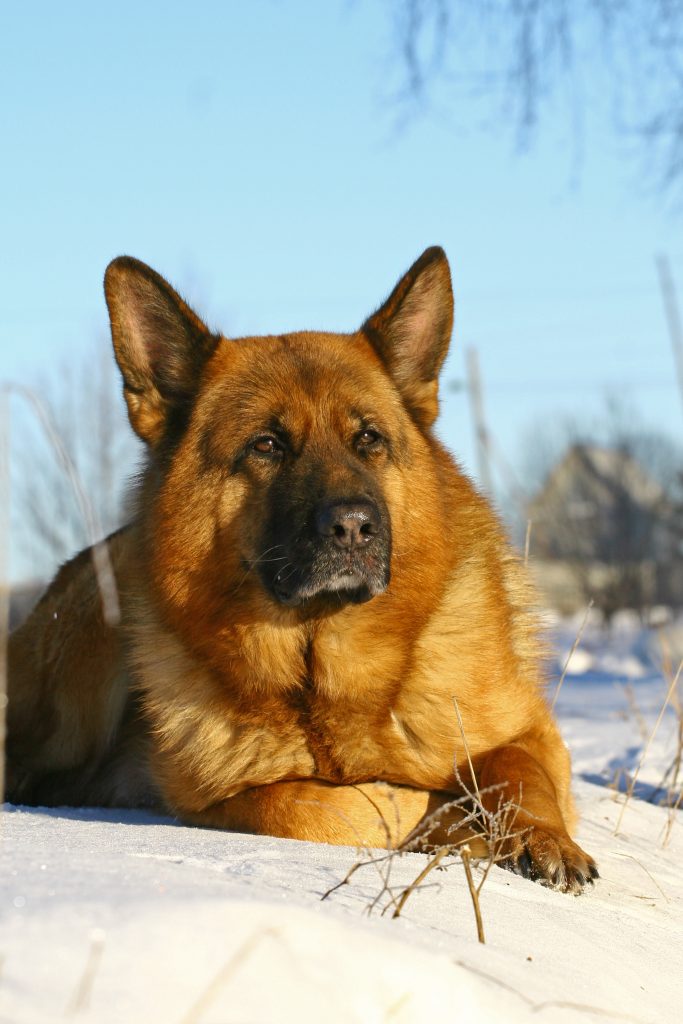
Factors Affecting Training in Older Dogs
1. Mental Alertness
Older dogs may take longer to learn new commands or tricks due to a decrease in mental sharpness. However, this doesn’t mean they cannot learn; it simply requires more patience and repetition.
2. Physical Limitations
Consider any physical limitations your older dog may have. Joint pain or reduced mobility can affect the types of tricks they can perform comfortably, so tailor training to suit their needs.
Tips for Training Older Dogs
1. Positive Reinforcement
Using rewards like treats, praise, and affection can motivate older dogs to learn new tricks. Positive reinforcement is key to keeping them engaged and excited about training.
2. Short, Frequent Sessions
Unlike puppies, older dogs may tire more quickly. Keep training sessions short and frequent to maintain their focus and prevent them from getting overwhelmed or exhausted.
3. Be Patient and Consistent
Patience is crucial when training older dogs. Consistency in commands and training methods helps them understand what is expected of them. Remember, they might take longer to grasp new concepts.
Benefits of Training Older Dogs
– Bond Strengthening: Training provides an opportunity for quality time and strengthening the bond between the dog and owner.
– Mental Stimulation: Learning new tricks can help keep an older dog mentally stimulated, which is important for their overall well-being.
Conclusion
Ultimately, age shouldn’t be a barrier to teaching an older dog new tricks. With patience, consistent training, and positive reinforcement, older dogs can continue to learn and grow throughout their lives.
[qmp_faq]
Related Reading
- Train Your Pooch With Some Simple Guidelines
- How To Train A Dog Like A Professional Dog Trainer
- Simple Tips And Tricks To Help You Train Your Dog
- Great Tips That Can Help You Train Your Dog
- Tired Of Your Dog Ruling The Roost? Check Out These Simple Tips To Train Your Pet!
[qmp_faq]