Use one repeatable method to improve best ideas quick training before adding extra steps or switching cues too early. The pattern keeps slipping when people around the puppy reward the mistake sometimes and block it other times, which teaches the puppy to keep testing the same behavior. You’ll always remember the day your puppy came home with you. Bring back that early enjoyment by teaching a dog how they need to behave.
You’ll always remember the day your puppy came home with you. But as the weeks drag on, that excitement can turn into annoyance and frustration. As you mop up yet another puddle or toss a chewed-up shoe, you may find yourself questioning your sanity. Bring back that early enjoyment by teaching a dog how they need to behave. The following article will offer many tips to aid you in training your dog.
When crate training a new puppy or dog, help the dog realize that the crate is its home. To help your puppy feel at home, place your puppy’s food dish inside the crate. This way, your dog will associate positive things with being inside the crate.
Try to see things from your dog’s eyes. As advanced creatures, we humans have problems accepting when our dogs aren’t picking up new skills as fast as we’d like. Don’t do yourself and your pet an injustice by simply giving up. Thinking like a dog can make it easier for you to do what is needed to train him. Trying to see things the way that your dog does may be able to give you an idea of the right kind of training for your dog.
Stay in control as you reward your dog’s good behavior. If your pet successfully completes a task, then reward him only if he/she is calm. Although you may feel very pleased, control your response to avoid having your training situation become uncontrolled. If you are able to maintain your calm, you can expect your dog to maintain calm too.
Be sure to keep your dog active and engaged a great deal of the time. Dogs are easily bored. When dogs are bored they are difficult to train. Keeping your dog exercised and happy will help them pay attention more due to releasing all excess energy that often distracts them from your commands. Regularly take a walk or run with your dog.
Verbal cues are very important to make sure that your dog is under your command. It’s faster to tell your dog “yes” than it is to find and give it a treat.
Training should be completed in small spurts. Your dog’s memory and attention span is short, keep the training this way. If more training is desired, work in some break times so your dog can play before continuing with training.
Watch the tone you use when you discipline your dog. Dogs tend to be well in tune with how their trainers are feeling. An appropriately stern tone can reinforce discipline.
A great training suggestion is to know the special grooming requirements needed for the dog breed you own. Certain breeds do not need much grooming, whereas others requires detailed, regular grooming. Grooming helps your dog stay clean and happy, reducing the chances of getting a disease.
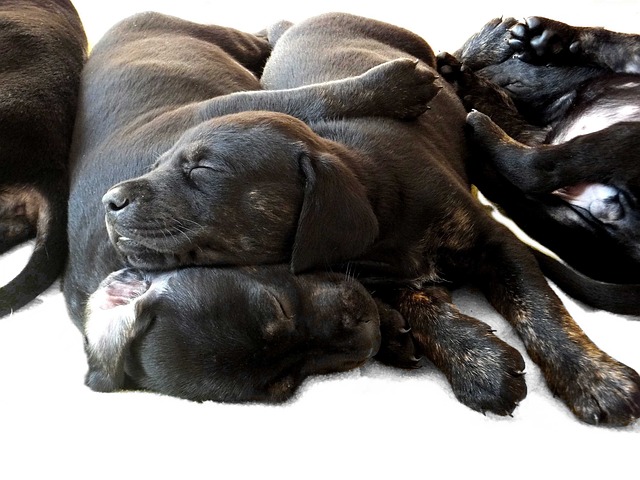
Dogs have natural destructive behavior, so provide outlets for them to exercise their natural behaviors. Dogs need a healthy diet too, along with a place to get exercise and lots of stimulation.
Older dogs are going to have their limits. When you adopt a dog who is already an adult, you won’t be able to train them as fully as a puppy. Also, an older dog may be set in their own routine. Although you can teach them some new tricks, it’s probably best that you focus on undoing negative habits they have instead of trying to teach them cool new tricks.
It’s important that you are aware of any signals that your dog has to use the restroom. Most dogs do the same things when they need to urinate. It is important to be observant and know your own dog’s signals. House training will be so much simpler if you can be sensitive to your dog’s needs.
Show your leader status while doing fetch training by having the dog return the ball. If you pick up the ball after he drops it somewhere else, then you are sending him the message that he is the boss. You need to make sure they give you the ball in your hand; they will see who is boss this way.
Always deal with your dog if they are barking simply because they have nothing else to do. Whenever your dog barks due to boredom, understand that this is your fault, not your dog’s. This means he doesn’t have enough physical and mental stimulation during the day. Dogs love going for walks and it helps to expel some of their pent up energy. When you are not home, you can distract them with chew toys.
If you notice any behavioral problems pop up out of the blue, you should take your dog to the veterinarian to make sure that there are no health issues causing it. Some health conditions or pain can cause animals to lash out or act out of their element. Because they cannot speak to let us know there is a problem, this is how they alert us to the fact that they require extra attention.
Puppy training involves using equal amounts of patience, dog treats and love. What you’ve just read should go a long way in creating a happy relationship between you and your pooch. It won’t happen overnight, but by being consistent in your training, you will create a much happier home for both of you.