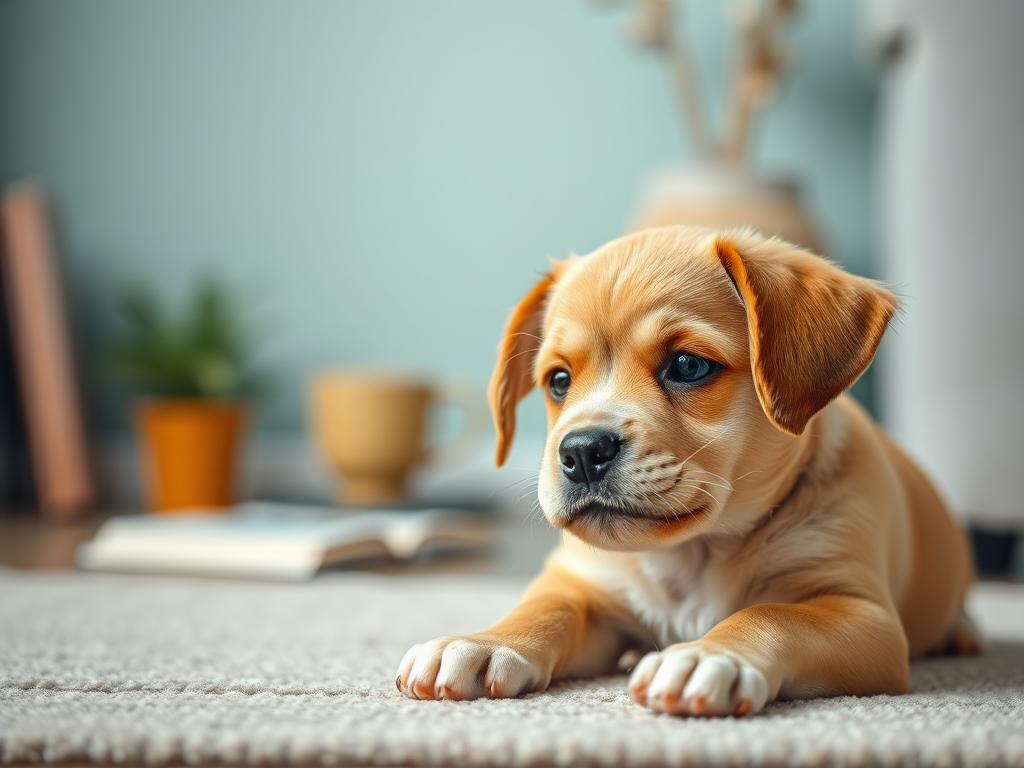
To train a puppy to be alone without anxiety, start by gradually introducing short periods of solitude and rewarding your puppy for calm behavior. Create a designated safe space filled with familiar items and engaging toys to help them feel secure. Avoid making your departures or arrivals overly emotional, as this can increase anxiety. Establishing a consistent routine will also provide comfort and predictability, helping your puppy learn that being alone is a normal part of their day. With patience and positive reinforcement, you can foster your puppy's independence and reduce their stress levels.
Understanding Puppy Separation Anxiety
Puppy separation anxiety is a common issue where a dog displays distress when left alone. This condition can manifest through barking, destructive behavior, or even attempts to escape. Understanding the triggers and symptoms is crucial for effective training. Puppies, especially those recently adopted or from shelters, may have heightened anxiety due to changes in their environment. Recognizing these signs early can help prevent further behavioral issues and facilitate a smoother transition into independence.
Common triggers include sudden changes in routine, lack of socialization, or previous traumatic experiences. Puppies thrive on routine and predictability; thus, establishing a consistent schedule can aid in reducing anxiety. Additionally, understanding that this is a natural phase in a puppy’s development can help owners approach training with patience and empathy.
Preparing Your Puppy for Alone Time
Preparation is key to helping your puppy feel secure when left alone. Start by creating a safe space where your puppy can feel comfortable and relaxed. This area should include their bed, favorite toys, and a few comforting items like a piece of your clothing. Familiar scents can provide reassurance and help reduce feelings of anxiety.
Introduce alone time gradually. Begin with short periods where you leave the room while your puppy remains in their designated area. This helps them learn that being alone does not equate to abandonment. Use positive reinforcement by rewarding calm behavior with treats or praise when you return. This builds a positive association with your absence.
Gradual Training Techniques
One effective method for training a puppy to be alone is through gradual desensitization. Start by leaving your puppy alone for just a few minutes. Gradually increase the duration as they become more comfortable. Monitor their behavior during these absences; if they show signs of distress, reduce the time and try again later.
Another technique involves using training cues. Teach your puppy commands like “stay” or “go to your spot” before leaving the room. This not only reinforces obedience but also provides them with a task to focus on, helping to distract them from feelings of anxiety. Consistent practice with these commands will help them understand that being alone is part of their routine.
Creating a Comfortable Environment
Designing a comfortable environment is essential for a puppy’s well-being while alone. Provide engaging toys, such as puzzle feeders or chew toys, to keep them occupied. Rotate toys regularly to maintain their interest. Consider using calming aids like pheromone diffusers or anxiety wraps, which can create a soothing atmosphere.
Additionally, maintaining a consistent routine helps puppies understand what to expect. Schedule feeding, walks, and playtime around their alone time to create a sense of normalcy. Over time, this structure can help reduce anxiety and foster a more independent mindset.
Frequently Asked Questions
What are the signs of separation anxiety in puppies?
Signs include excessive barking, destructive behavior, and attempts to escape when left alone. Other indicators are increased pacing, drooling, and changes in eating habits.
How long can a puppy be left alone?
Puppies can typically be left alone for one hour for every month of their age. For instance, a three-month-old puppy can be left alone for about three hours.
Should I punish my puppy for anxious behavior?
No, punishing a puppy for anxiety-related behavior can worsen their distress. Instead, focus on positive reinforcement and gradual desensitization techniques.
How can I help my puppy feel more secure when alone?
Creating a safe space with familiar items, using calming aids, and establishing a consistent routine can help your puppy feel more secure when alone.
When should I seek professional help for my puppy's anxiety?
If your puppy's anxiety is severe, persistent, or leads to destructive behavior, consider consulting a veterinarian or a certified dog trainer for specialized guidance.
Conclusion
Training a puppy to be alone without anxiety requires patience, consistency, and understanding. By gradually acclimating your puppy to solitude, creating a comfortable environment, and using positive reinforcement, you can help them develop the confidence to be independent. Recognize that this is a process, and setbacks may occur. Prioritize your puppy’s emotional well-being by fostering a secure atmosphere and maintaining a routine. As they adapt, you’ll notice a more relaxed and self-assured companion.