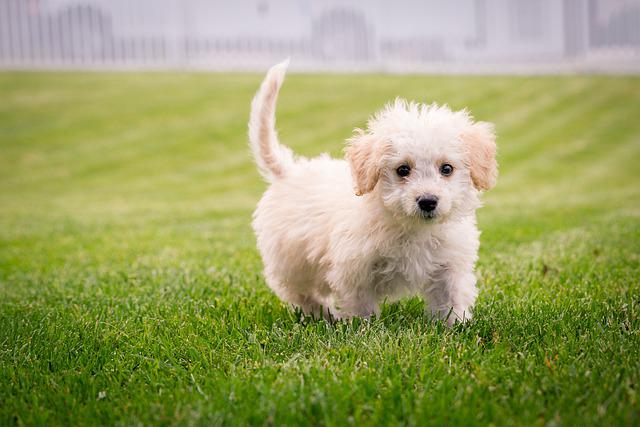
Consistency in puppy training is vital for establishing clear expectations and helping your puppy learn desired behaviors effectively. When training is inconsistent, it can lead to confusion, making it difficult for your puppy to understand what is expected. To achieve successful training outcomes, it’s essential to maintain uniformity in commands, rewards, and corrections, as this fosters a reliable learning environment.
Understanding the Importance of Consistency
Consistency is the cornerstone of effective puppy training. When commands and expectations are uniform, puppies can easily grasp what is required of them. For example, using the same command word for a behavior, such as “sit,” reinforces the action in the puppy’s mind. It creates a clear association between the command and the behavior, which is essential for learning.
Moreover, consistency in training builds trust between the puppy and the owner. Puppies are more likely to respond positively when they feel secure in their understanding of what is expected. A consistent approach fosters a sense of safety, allowing puppies to engage more openly in the training process. Without this stability, training can become a frustrating experience, leading to setbacks.
Common Challenges in Maintaining Consistency
One of the most significant challenges in maintaining consistency during puppy training is the varying responses from different family members. If one person uses a command while another uses a different term or response, it can create confusion for the puppy. For instance, if one family member says “down” for lying down while another says “lie down,” the puppy may struggle to understand which command to follow.
Additionally, external factors can disrupt training consistency. Changes in environment, routine, or even the puppy’s health can impact how well training is received. For example, a puppy that is feeling unwell may not respond to commands as effectively as when they are in good health. Being aware of these challenges and adapting your approach can help mitigate confusion and ensure training remains effective.
Practical Techniques for Consistent Training
To achieve consistency in puppy training, it is essential to establish clear guidelines for commands and rewards. One effective technique is to create a training schedule that includes specific times for practice. This routine helps reinforce learning and keeps the puppy engaged in the process.
Using positive reinforcement is another critical aspect of consistent training. Whenever the puppy successfully follows a command, immediately reward them with a treat or praise. This immediate feedback solidifies their understanding of the behavior. Additionally, maintaining a consistent tone of voice and body language can further enhance the clarity of commands.
Real-Life Examples of Successful Training
Many dog owners have experienced the benefits of consistent training firsthand. For example, a family that decided to use the same command for sitting across all members found that their puppy learned the behavior much faster. They also noted that their puppy was more confident in responding to commands because they understood what was expected.
Another example involves a puppy that struggled with house training. By maintaining a consistent schedule for bathroom breaks and rewarding the puppy each time they went outside, the owner was able to successfully train their puppy to go potty outdoors. This approach not only reinforced the desired behavior but also built a routine that the puppy could rely on.
Frequently Asked Questions
What does consistency mean in puppy training?
Consistency in puppy training refers to using the same commands, rewards, and corrections for specific behaviors to help the puppy understand what is expected.
Why is consistency important for puppies?
Consistency is important because it helps establish clear expectations, making it easier for puppies to learn and reinforcing their confidence in responding to commands.
How can I maintain consistency while training my puppy?
Maintain consistency by using the same commands, establishing a training routine, and ensuring all family members follow the same guidelines.
What are common mistakes in puppy training?
Common mistakes include using different commands for the same behavior, not rewarding the puppy consistently, and failing to establish a routine.
How long does it take to train a puppy?
The time it takes to train a puppy varies depending on the individual dog and the consistency of training. Generally, it can take several weeks to months to establish reliable behaviors.