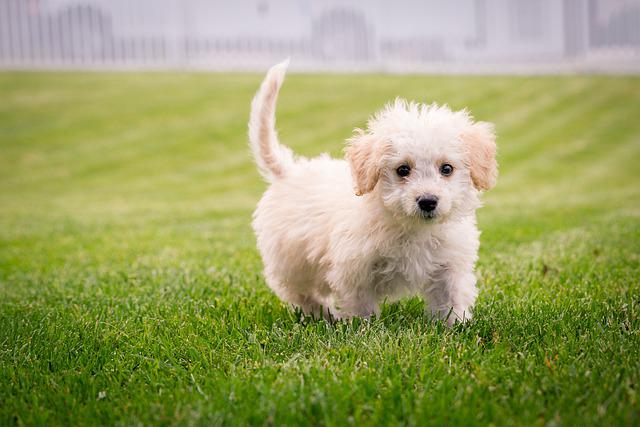
Engaging in activities like fetch or puzzle toys can help channel their energy positively, making it easier for them to settle down.
Understanding the triggers of your puppy’s hyperactivity is crucial. Common causes include boredom, lack of exercise, or overstimulation from their environment. Without proper outlets for their energy, puppies tend to become restless and may display behaviors like excessive barking or jumping. As a pet owner, it’s essential to recognize these signs early and adjust your training approach accordingly.
Establishing a Routine
Creating a consistent daily routine is one of the most effective strategies to help a hyper puppy learn to calm down. Puppies thrive on predictability, which can significantly reduce anxiety and hyperactivity. Schedule regular feeding times, play sessions, and walks to provide structure to their day.
Incorporating training sessions into this routine is equally important. Short, frequent training exercises focused on commands like “sit” or “stay” can help your puppy develop self-control. Gradually increase the duration and complexity of these sessions as your puppy shows improvement.
Effective Training Techniques
Positive reinforcement is a proven method for training puppies effectively. Rewarding your puppy with treats, praise, or playtime when they exhibit calm behavior encourages them to repeat those actions. For example, if your puppy settles down after a play session, provide a treat to reinforce this behavior.
Additionally, consider using commands that promote calmness. Teach your puppy to respond to cues like “settle” or “quiet” during moments of hyperactivity. Consistent training coupled with rewards can help them understand what is expected and how to achieve a calmer state.
Creating a Calm Environment
Environmental factors play a significant role in a puppy’s behavior. A chaotic or noisy setting can exacerbate hyperactivity. To foster a calm environment, limit overstimulation by providing a quiet space where your puppy can retreat when feeling overwhelmed.
Utilizing calming aids, such as pheromone diffusers or soft music, can also create a soothing atmosphere. Designating specific areas for relaxation, such as a cozy bed or crate, can help your puppy associate these spaces with calmness.
Frequently Asked Questions
What are the signs of a hyper puppy?
Signs of a hyper puppy include excessive barking, jumping, inability to settle down, and constant movement. They may also show signs of frustration when not engaged in activities.
How much exercise does a hyper puppy need?
A hyper puppy typically requires at least 30 to 60 minutes of exercise daily, depending on their breed and age. This can include walks, playtime, and mental stimulation activities.
Can training help calm a hyper puppy?
Yes, training provides structure and teaches commands that encourage calm behavior. Consistent positive reinforcement during training sessions can significantly help in managing hyperactivity.
What should I do if my puppy becomes overly excited?
If your puppy becomes overly excited, redirect their attention to a toy or a training command. Provide a quiet space for them to calm down and avoid reinforcing hyperactive behavior.
Are there calming products for hyper puppies?
Yes, calming products such as pheromone diffusers, anxiety wraps, and calming treats can help soothe hyper puppies. Consult with your veterinarian for recommendations tailored to your puppy’s needs.
Conclusion
Training a hyper puppy to calm down requires a structured approach that includes consistent routines, effective training techniques, and a calming environment. Focus on providing adequate exercise and mental stimulation to channel their energy positively. By employing positive reinforcement and creating a tranquil space, you can foster a sense of calm in your puppy, leading to a happier and more balanced pet. Take small steps, be patient, and enjoy the rewarding journey of training your furry companion.