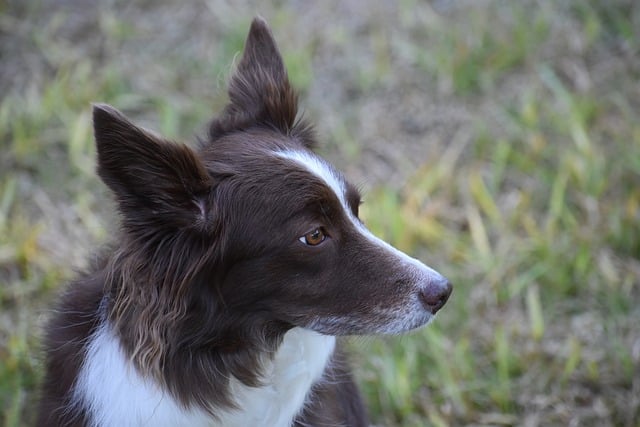
To potty train a puppy when you work full time, it is crucial to establish a consistent schedule that accommodates your busy lifestyle. Regular potty breaks should be integrated into your daily routine to help your puppy understand when and where it is appropriate to relieve themselves. Using a crate can also be beneficial, as it encourages your puppy to hold their bladder until they can go outside.
Understanding the limitations of your schedule is essential. Puppies have small bladders and may need to go out every hour or two, especially during the early stages of training. If your work schedule doesn’t allow for frequent breaks, consider hiring a dog walker or asking a friend or family member to help during the day. This way, you can ensure your puppy has the opportunity to relieve themselves regularly.
Creating a Consistent Potty Schedule
Establishing a consistent potty schedule is vital for effective training. Puppies typically need to relieve themselves after eating, playing, or waking up. Plan to take your puppy outside at these specific times, as well as every couple of hours. By sticking to this routine, your puppy will learn to associate these breaks with potty time.
Consider using an app to set reminders for potty breaks. This can help you stay consistent even when you’re busy. Additionally, if possible, try to coordinate your breaks with your lunch hour or other times when you can be home. The more consistent you are, the quicker your puppy will learn.
Using Crate Training Effectively
Crate training can be an effective tool for potty training when you work full time. A crate should be a safe and comfortable space for your puppy. Make sure it is not too large, as this can encourage your puppy to use one side as a bathroom and the other as a sleeping area.
When using a crate, take your puppy outside immediately after letting them out. This reinforces that outside is the appropriate place to go. Gradually increase the time they spend in the crate as they become more comfortable and learn to hold it longer.
Recognizing Signs That Your Puppy Needs to Go
Being able to recognize when your puppy needs to go outside is essential for successful potty training. Look for signs such as sniffing around, circling, whining, or heading toward the door. If you notice these behaviors, take your puppy outside right away.
Keeping an eye on your puppy during playtime can also help you catch these signs early. If you can’t supervise directly, consider using a playpen or a secure area where they can’t have accidents. The sooner you can get them outside, the better their chances of associating the action with the correct behavior.
Dealing with Accidents and Setbacks
Accidents are a normal part of potty training, especially for puppies. If your puppy has an accident indoors, do not scold them. Instead, clean the area thoroughly to remove any scent markers. This is crucial because if they can still smell their previous accidents, they may be encouraged to go in the same spot again.
Remain patient and consistent with your training methods. If setbacks occur, it may be beneficial to reassess your schedule and ensure that you are providing enough opportunities for your puppy to go outside. Adjusting your routine may help reduce the number of accidents.
Frequently Asked Questions
How long does it take to potty train a puppy?
Potty training can take anywhere from a few weeks to several months, depending on the puppy’s age and consistency of training.
What should I do if my puppy has an accident?
Clean the area thoroughly without scolding your puppy. This helps prevent future accidents in the same spot.
Can I use puppy pads while potty training?
Puppy pads can be useful for some owners, but they may confuse puppies about where to go. Transitioning from pads to outside can take longer.
How often should I take my puppy outside?
Take your puppy outside every 1-2 hours, especially after eating, playing, or waking up.
What is the best way to reward my puppy for going outside?
Use treats, praise, and playtime as rewards immediately after your puppy goes outside to reinforce the behavior.