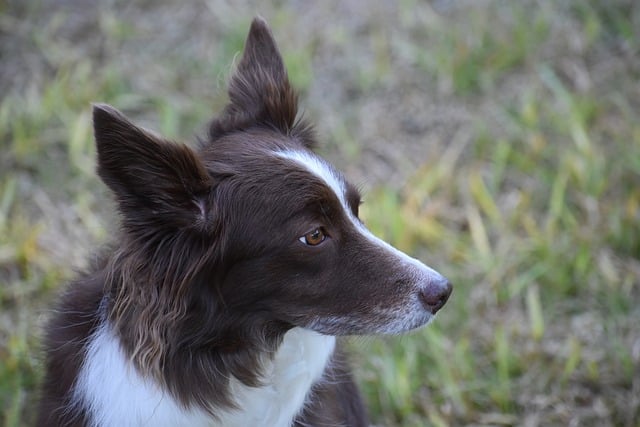
Fixing puppy separation anxiety early involves implementing gradual desensitization techniques that help your puppy feel comfortable being alone. The underlying cause of separation anxiety often stems from insufficient exposure to alone time during their formative weeks. To address this, start by leaving your puppy alone for short periods, gradually increasing the duration as they become more comfortable. Consistency and positive reinforcement during these sessions are crucial to building their confidence and comfort.
Many pet owners mistakenly assume that their puppy will naturally adapt to being alone without any prior training. However, without proper exposure, puppies can develop anxiety that manifests in destructive behaviors, excessive barking, or even house soiling. It is vital to prioritize gradual exposure to alone time as part of their training regimen. This approach not only helps in reducing anxiety but also fosters independence, which is essential for a well-adjusted adult dog.
Understanding Separation Anxiety in Puppies
Separation anxiety in puppies is a behavioral condition where a dog experiences extreme distress when left alone. This anxiety can lead to various negative behaviors, including barking, whining, and destructive chewing. Understanding the root cause of this anxiety is essential for effective intervention. Puppies that have not been properly socialized or have had negative experiences associated with being alone are particularly susceptible.
To effectively manage separation anxiety, owners must recognize that it is a gradual process. Early intervention is key, as puppies are more adaptable at a young age. Implementing strategies early can prevent the development of more severe anxiety issues as they grow older.
Signs of Separation Anxiety
Identifying the signs of separation anxiety is crucial for timely intervention. Common signs include excessive barking or howling when left alone, destructive behavior such as chewing furniture or digging, and attempts to escape from confinement areas. Additionally, some puppies may display signs of distress when their owner prepares to leave, such as following them around or becoming overly clingy.
Being aware of these signs allows owners to take proactive measures. Early recognition can lead to more effective training and behavioral modification strategies, ultimately reducing the severity of the anxiety.
Proven Techniques to Alleviate Anxiety
To alleviate separation anxiety, several proven techniques can be employed. Gradual desensitization is one of the most effective methods. This involves starting with very short periods of separation and gradually increasing the time as the puppy becomes more comfortable. During these periods, providing engaging toys or puzzle feeders can keep the puppy occupied and distracted.
Another effective method is to create positive associations with alone time. This can be achieved by giving treats or toys that are only available when the puppy is left alone. This strategy reinforces the idea that being alone is a positive experience, which can significantly reduce anxiety over time.
Creating a Comfortable Environment
Creating a comfortable environment for your puppy is essential in reducing separation anxiety. Designate a safe space where your puppy can feel secure, such as a cozy crate or a small room with their favorite toys and bedding. Ensuring that this space is inviting and familiar can help alleviate feelings of anxiety.
Additionally, consider using calming aids such as anxiety wraps, pheromone diffusers, or soothing music designed for dogs. These tools can contribute to a more relaxed atmosphere, making it easier for your puppy to cope with being alone.
When to Seek Professional Help
If your puppy’s separation anxiety persists despite your efforts, it may be time to seek professional help. A veterinarian or a certified dog trainer can provide guidance on more advanced training techniques or recommend behavioral therapies. In some cases, medication may be necessary to help manage severe anxiety.
It’s essential not to ignore persistent anxiety, as it can lead to more significant behavioral issues if left untreated. Professional intervention can provide the necessary support to help your puppy become more comfortable with being alone.
Frequently Asked Questions
What is puppy separation anxiety?
Puppy separation anxiety is a behavioral issue where a dog experiences distress when left alone, leading to negative behaviors like barking or destruction.
How can I tell if my puppy has separation anxiety?
Signs include excessive barking, destructive behavior, and distress when you prepare to leave or are away.
What techniques can help reduce separation anxiety?
Gradual desensitization, positive reinforcement, and creating a comfortable environment are effective techniques to reduce anxiety.
When should I seek professional help for my puppy?
If anxiety persists despite your efforts, consider consulting a veterinarian or professional trainer for guidance.
Can medication help with separation anxiety in puppies?
In severe cases, medication prescribed by a veterinarian can help manage anxiety in puppies.
Conclusion
Addressing puppy separation anxiety early is crucial for the long-term well-being of your dog. Prioritize gradual exposure to alone time, create a safe environment, and utilize positive reinforcement techniques to foster comfort. If anxiety continues to be a concern, do not hesitate to seek professional help to ensure your puppy develops into a confident and well-adjusted adult dog.