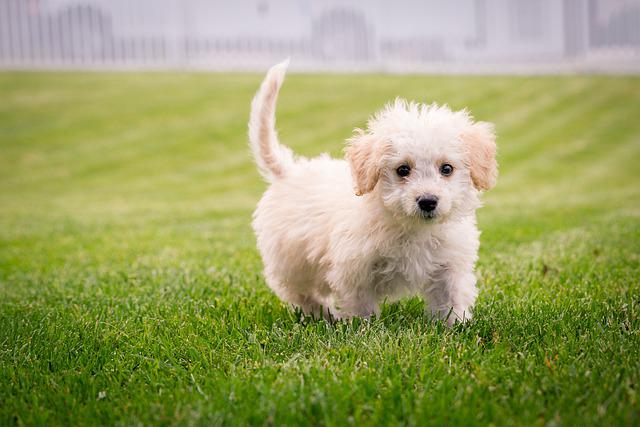
Training a puppy not to bite kids involves a combination of redirection and positive reinforcement. Puppies often nip or bite due to excitement, teething, or a natural instinct to explore their environment. To effectively curb this behavior, it is paramount to provide them with appropriate toys to chew on and to teach them that biting is unacceptable. Consistently rewarding your puppy when they play gently will reinforce positive behavior over time.
Understanding the motivations behind a puppy’s biting is crucial. Many puppies are naturally mouthy, especially when they are young, as they explore their world through their mouths. Additionally, they may not yet understand the difference between acceptable and unacceptable play. By recognizing these triggers, you can take proactive steps to redirect their energy and teach them appropriate behaviors. Teaching commands such as “leave it” or “no bite” can also help in managing their behavior.
Understanding Puppy Behavior
Puppies bite for various reasons, including playfulness, teething, or simply to explore their surroundings. Recognizing these motivations can help you devise a training plan. For example, teething can lead to increased biting as puppies seek relief. By providing appropriate chew toys, you can redirect this instinctual behavior toward acceptable outlets.
It’s also important to consider how puppies learn. They may not differentiate between human skin and toys during play. This lack of understanding means that consistent correction and redirection are essential. When a puppy bites, immediately stop play and redirect their attention to a toy, reinforcing the idea that biting leads to the end of fun.
Effective Training Techniques
One of the most effective methods to train a puppy not to bite is through positive reinforcement. When your puppy plays gently or interacts without biting, reward them with treats or praise. This approach encourages them to repeat the desired behavior. Additionally, using commands such as “gentle” can help them learn to control their mouth during play.
Another useful technique is to mimic the behavior of a littermate. When a puppy bites too hard, letting out a yelp or saying “ouch” can signal to them that they have crossed the line. This method mimics natural dog behavior and helps them understand their bite’s impact. Consistency is key, so ensure everyone in the household follows the same training approach.
Common Mistakes to Avoid
One common mistake is allowing puppies to engage in rough play, which can encourage biting. Avoid games like tug-of-war or wrestling until your puppy has learned to control their bite. Additionally, many owners mistakenly assume that their puppy will outgrow this behavior without intervention, but early training is crucial for long-term success.
Another pitfall is using punishment to correct biting. Shouting or physically reprimanding a puppy can lead to fear or aggression, which can worsen the behavior. Instead, focus on redirecting and reinforcing positive actions. If biting persists, consider consulting a professional trainer for tailored advice.
Supervision and Safe Interactions
Close supervision during interactions between puppies and children is essential to prevent biting incidents. Teach children how to interact with the puppy safely, including recognizing when the puppy is overstimulated or tired. Establish clear rules for playtime, such as no pulling on ears or tails.
Creating a safe environment for both the puppy and the children is vital. Designate safe spaces for the puppy to retreat to if they feel overwhelmed. By fostering positive interactions and ensuring a safe space, you can significantly reduce the likelihood of biting incidents.
Frequently Asked Questions
What should I do if my puppy bites my child?
Immediately redirect the puppy to a toy and reinforce gentle play. Supervise interactions closely to prevent future incidents.
How can I teach my puppy bite inhibition?
Use positive reinforcement to reward your puppy for gentle play. Mimic natural dog behavior by yelping when they bite too hard.
Is it normal for puppies to bite?
Yes, biting is a normal behavior for puppies as they explore their environment. Training helps them learn appropriate play behavior.
When should I start training my puppy?
Start training as early as 8 weeks old. Early socialization and training are crucial for developing good behavior.
How can I make playtime safe for my puppy and kids?
Supervise all interactions and teach children how to play gently. Establish clear rules and provide a safe space for the puppy.
Conclusion
Training a puppy not to bite kids requires consistent techniques, understanding puppy behavior, and effective communication. Prioritize early training, redirect biting behavior with appropriate toys, and reinforce gentle play through positive reinforcement. Supervision during interactions is crucial to ensure safety for both your puppy and children. By addressing biting early and consistently, you can foster a harmonious relationship between your puppy and your family.