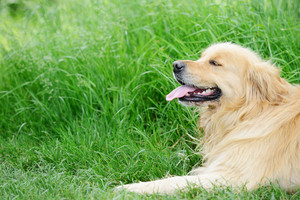
The fastest way to teach basic puppy commands involves using consistent verbal cues and positive reinforcement. Puppies respond best to clear commands paired with rewards, which encourages them to repeat desired behaviors. Prioritizing short training sessions to maintain your puppy’s attention can significantly enhance their learning efficiency.
In training, it’s crucial to keep sessions engaging and focused, as puppies have short attention spans. Mistakes often occur when owners either use inconsistent commands or fail to reward their puppy promptly after a correct response. Keeping the training environment distraction-free initially can also help your puppy grasp the commands more effectively.
Using Positive Reinforcement
Positive reinforcement is one of the most effective methods for teaching puppies commands. This approach involves rewarding your puppy immediately after they perform a desired behavior, which reinforces the action. Common rewards include treats, praise, or playtime, and using a variety of rewards can keep your puppy motivated.
A common mistake is to delay the reward after the command is performed, which can confuse your puppy about what behavior is being rewarded. It’s also important to ensure that the reward is something your puppy values highly. For example, if your puppy is more motivated by toys than treats, using their favorite toy as a reward can enhance their learning experience.
Establishing Clear Commands
When teaching commands, clarity is paramount. Use simple, distinct words for each command to avoid confusion. Commands like “sit,” “stay,” and “come” should be used consistently and never mixed with other words or phrases.
Repetition is key to solidifying understanding. Practice each command several times in a row, gradually increasing the duration between commands as your puppy becomes more proficient. Additionally, always use the same tone of voice; a cheerful tone can help make the training feel positive and enjoyable.
Maintaining Engagement
Keeping your puppy engaged during training sessions is crucial for success. Short, frequent training sessions are generally more effective than longer ones, as they help maintain your puppy’s focus and interest. Aim for sessions lasting about 5 to 10 minutes, especially with younger puppies.
Incorporating play into training can also enhance engagement. For instance, after successfully completing a command, allow your puppy to play with a favorite toy or engage in a short game of fetch. This not only rewards them for their learning but also makes training a fun experience.
Frequently Asked Questions
What is the best age to start training a puppy?
The best age to start training a puppy is around 8 weeks old, as they are most receptive to learning during this period.
How often should I train my puppy?
Training sessions should be conducted daily, ideally in short bursts of 5-10 minutes to keep your puppy engaged.
What commands should I teach my puppy first?
Start with basic commands like “sit,” “stay,” and “come,” as these are foundational for good behavior.
Is it okay to use treats for training?
Yes, using treats as positive reinforcement is highly effective, but ensure they are healthy and suitable for your puppy.
How can I tell if my puppy is learning?
You can tell your puppy is learning when they consistently respond to commands and demonstrate understanding through their actions.
Conclusion
Teaching basic puppy commands effectively requires consistency, clear communication, and positive reinforcement. By focusing on short, engaging training sessions, rewarding good behavior, and establishing clear commands, you can facilitate quick learning. Make training a fun experience for your puppy, and watch as they thrive and respond positively to your guidance.