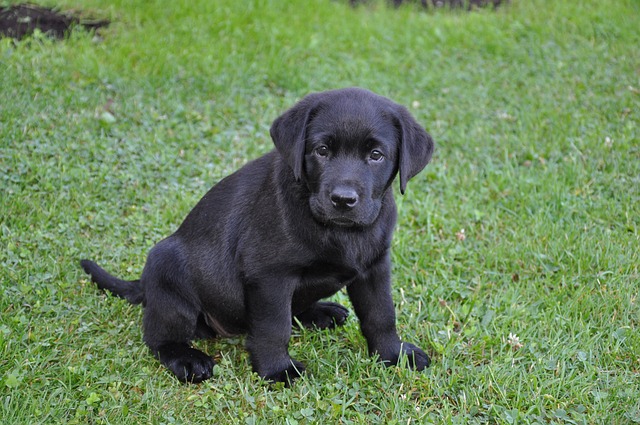
Teaching your puppy impulse control quickly involves establishing clear commands and rewarding calm behavior. Puppies often exhibit impulsive actions due to their natural excitement and curiosity, which can lead to unwanted behaviors such as jumping or barking. By implementing structured training sessions that focus on patience and self-control, you can help your puppy learn to manage their impulses effectively.
One common mistake is expecting immediate results; it’s important to understand that building impulse control takes time and consistent practice. Begin with simple commands like ‘sit’ and ‘stay’ in a distraction-free environment, gradually introducing distractions as your puppy becomes more comfortable with these commands. Prioritizing short, engaging training sessions will help maintain your puppy’s focus and enthusiasm.
Understanding Impulse Control in Puppies
Impulse control refers to a puppy’s ability to resist immediate temptations in favor of a longer-term goal. Puppies are naturally curious and energetic, which can lead to impulsive behaviors like jumping or nipping. Recognizing the triggers that lead to these behaviors is crucial. For example, a puppy may become overly excited when someone enters the room, prompting them to jump.
Understanding your puppy’s behavior in various situations will help you tailor your training approach. For instance, if your puppy struggles with impulse control around toys, practice commands like ‘leave it’ and reward them for maintaining focus. This targeted training helps reinforce their ability to manage impulses in specific contexts.
Effective Training Techniques
One of the most effective methods for teaching impulse control is through positive reinforcement. Start by teaching your puppy basic commands such as ‘sit,’ ‘stay,’ and ‘down.’ Use treats or praise to reward them when they successfully follow these commands. This builds a foundation for impulse control by encouraging your puppy to think before acting.
Another useful technique is the ‘wait’ command, especially before meals or playtime. Have your puppy sit and wait for a cue before they can eat or play. This teaches them that they must control their impulses to receive a reward. Gradually introduce distractions during these sessions to challenge their impulse control further.
Common Mistakes to Avoid
One common mistake many pet owners make is being inconsistent with commands and rewards. Consistency is critical in reinforcing desired behaviors. If you occasionally allow your puppy to jump or bark, they may become confused about what behavior is acceptable. Always reward calm behavior while discouraging impulsive actions.
Additionally, avoid lengthy training sessions that can lead to frustration. Puppies have short attention spans, so keeping sessions brief and engaging is essential. Aim for multiple short sessions throughout the day rather than one long session to maintain their interest and focus.
Real-World Applications
Teaching impulse control has practical benefits beyond training sessions. A well-trained puppy will exhibit better behavior in various situations, such as during walks or when greeting guests. For example, if your puppy learns to ‘sit’ and ‘stay’ before going out the door, it reduces the likelihood of them bolting outside impulsively.
Additionally, practicing impulse control in environments with different stimuli, like parks or busy streets, prepares your puppy for real-world challenges. Gradually exposing them to these environments while practicing commands reinforces their ability to manage impulses effectively.
Frequently Asked Questions
What age should I start teaching my puppy impulse control?
You can start teaching impulse control as early as 8 weeks old. Early training helps establish good habits.
How long does it take to teach impulse control?
The time it takes varies by puppy, but consistent training over several weeks will yield noticeable improvements.
Can impulse control training help with aggression?
Yes, impulse control training can help manage aggressive behaviors by teaching your puppy to think before reacting.
What are some signs of poor impulse control?
Signs include excessive barking, jumping, and difficulty settling down in stimulating environments.
How can I improve my puppy’s focus during training?
Use high-value treats, keep sessions short, and practice in quiet environments before adding distractions.
Conclusion
Teaching your puppy impulse control is essential for their development and helps foster good behavior in various situations. Focus on consistent commands, positive reinforcement, and gradual exposure to distractions to achieve the best results. Establishing these skills early on will lead to a well-mannered and happy puppy, ready to engage positively with their environment. Prioritize patience and consistency in your training efforts for the most effective outcomes.