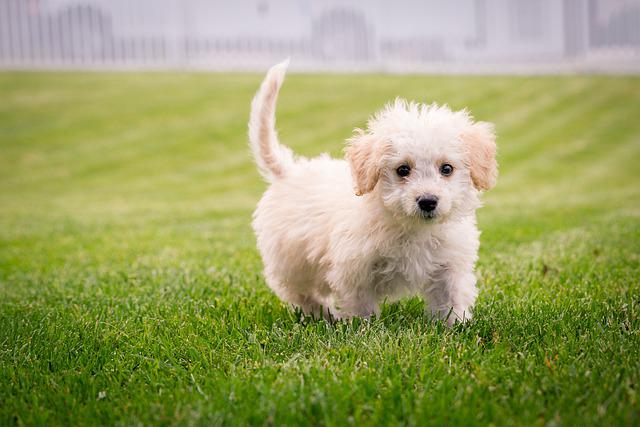
Training a puppy to ignore passing distractions outside is essential for developing a well-behaved companion. Puppies are naturally curious and often easily distracted by people, other animals, or environmental noises. To effectively teach your puppy to focus on you instead of these distractions, employ a combination of desensitization and positive reinforcement techniques.
One of the most common mistakes owners make is underestimating the power of distraction. Puppies may initially react strongly to stimuli, making it crucial to gradually expose them to various distractions while reinforcing calm behavior. This means starting in a controlled environment, like your backyard, before moving to busier areas like parks or streets. Prioritize short training sessions that build your puppy’s confidence and focus over time.
Understanding Puppy Distractions
Puppies are inherently curious and may become easily distracted by their surroundings. This behavior is driven by their instinct to explore and interact with the world around them. Understanding what triggers your puppy’s distraction is the first step in teaching them to ignore these stimuli. Common distractions include other dogs, people, cars, and sounds like sirens or bicycles.
To effectively train your puppy, it’s essential to observe which distractions they react to most. This knowledge will help you tailor your training sessions to address specific triggers. For instance, if your puppy is particularly distracted by other dogs, focus on training in environments where they can encounter other dogs at a distance before gradually reducing that distance.
Desensitization Techniques
Desensitization is a method used to help your puppy become accustomed to distractions without reacting. Start by exposing your puppy to mild distractions in a controlled setting. For example, have a friend walk by at a distance while you keep your puppy focused on you. Reward your puppy for remaining calm and ignoring the distraction.
As your puppy becomes more comfortable, gradually increase the intensity of the distractions. This might mean having your friend walk closer or introducing new distractions like loud noises. The key is to ensure your puppy feels safe and secure during these experiences. Always reward calm behavior with treats or praise to reinforce the desired response.
Positive Reinforcement Strategies
Positive reinforcement is a powerful tool in training. When your puppy successfully ignores a distraction, immediately reward them with a treat or verbal praise. This helps to create a strong association between ignoring distractions and receiving rewards. Over time, your puppy will learn that focusing on you is more rewarding than reacting to external stimuli.
Incorporating commands such as “leave it” or “look at me” can also enhance your training sessions. Practicing these commands in a distraction-free environment before introducing distractions will help your puppy understand what is expected of them. Be consistent with your rewards and commands to help your puppy build a clear understanding of the desired behavior.
Common Mistakes to Avoid
Many owners inadvertently reinforce unwanted behaviors by reacting negatively when their puppy becomes distracted. Instead of scolding, focus on redirecting their attention back to you and rewarding them for ignoring the distraction. Additionally, avoid overwhelming your puppy with too many distractions at once; this can lead to frustration and confusion.
Another mistake is failing to practice consistently. Regular training sessions, even short ones, will yield better results than infrequent, lengthy sessions. Consistency helps reinforce the behaviors you want to see in your puppy, making it easier for them to learn how to ignore distractions.
Frequently Asked Questions
What are the best distractions to practice with my puppy?
Start with mild distractions like people walking at a distance or other dogs on leashes. Gradually increase the difficulty as your puppy becomes more comfortable.
How long will it take for my puppy to learn to ignore distractions?
The time it takes varies by puppy but can range from a few weeks to several months, depending on consistency and the complexity of the distractions.
Can I use toys as distractions during training?
Yes, using toys can be effective. However, ensure that your puppy learns to focus on you first before introducing toys as distractions.
What should I do if my puppy continues to react to distractions?
If your puppy consistently reacts, consider reducing the intensity of the distractions and gradually reintroducing them while reinforcing calm behavior.
Is it normal for puppies to be easily distracted?
Yes, it is completely normal. Puppies are naturally curious, and training helps them learn to control their impulses over time.
Conclusion
Training your puppy to ignore passing distractions outside is an essential skill that fosters good behavior and enhances your walks together. Focus on desensitization and positive reinforcement to help your puppy build confidence and learn to remain calm in various environments. Remember to be patient and consistent, as this process takes time. By gradually exposing your puppy to distractions and rewarding calm behavior, you will cultivate a more attentive and well-mannered companion.