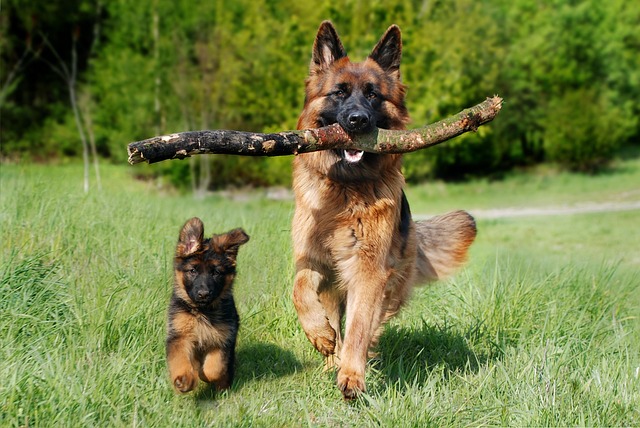
When your puppy refuses to walk in unfamiliar places, it can be a sign of anxiety or discomfort with new environments. This behavior is quite common, especially in young dogs who may not yet be accustomed to various sights, sounds, and smells. Addressing this issue requires understanding the root causes and employing effective strategies to help your puppy gain confidence and ease in unfamiliar settings.
Many puppies experience fear or anxiety when faced with new surroundings, which can manifest as refusal to walk or explore. This reaction can stem from a lack of socialization, previous negative experiences, or simply the overwhelming nature of a new environment. It’s crucial to approach this situation with patience and positive reinforcement techniques to help your puppy feel safe and secure.
Understanding Puppy Anxiety in New Environments
Puppy anxiety when faced with unfamiliar places often results from a lack of early socialization. Puppies that have not been exposed to diverse environments, sounds, and people may feel overwhelmed and scared in new situations. Recognizing the signs of anxiety, such as trembling, whining, or trying to hide, is essential for addressing these issues effectively.
To help your puppy overcome their anxiety, it’s important to understand their triggers. A sudden loud noise, unfamiliar scents, or even the presence of other dogs can contribute to their reluctance to walk. Observing your puppy’s reactions can provide insight into what specifically causes their fear, allowing you to tailor your approach to their needs.
Gradual Exposure Techniques
Gradually exposing your puppy to unfamiliar environments is an effective way to build their confidence. Start by introducing them to new places in short intervals, allowing them to explore at their own pace. For example, if you plan to visit a park, take your puppy on a short walk around the perimeter first, rather than diving straight into the busy area.
As your puppy becomes more comfortable, slowly increase the exposure time and the complexity of the environment. Always monitor their body language and be ready to retreat if they seem overwhelmed. This gradual approach helps create positive associations with new places and reduces anxiety over time.
Using Positive Reinforcement
Positive reinforcement is crucial when helping your puppy feel comfortable in unfamiliar places. Reward your puppy with treats, praise, or playtime when they take steps forward or show curiosity about their surroundings. This method reinforces the idea that exploring new places is a positive experience.
Incorporate training commands during these outings, such as “sit” or “stay,” to create a sense of structure and security. This not only distracts them from their anxiety but also builds their confidence as they learn to respond to your commands in new environments.
Common Mistakes to Avoid
One of the most common mistakes owners make is forcing their puppy to confront their fears too quickly. This can lead to increased anxiety and a stronger refusal to walk in the future. It’s essential to move at your puppy’s pace and respect their comfort levels.
Another mistake is using negative reinforcement or scolding when a puppy refuses to walk. This can damage the trust between you and your puppy and may exacerbate their anxiety. Instead, focus on building a positive experience around exploration and learning.
For more information on puppy training and overcoming anxiety, consider the following resources:
Frequently Asked Questions
Why does my puppy refuse to walk in new places?
Puppies often refuse to walk in new places due to anxiety or fear of the unfamiliar environment.
How can I help my puppy feel more comfortable?
Gradual exposure to new places and using positive reinforcement techniques can help your puppy feel more comfortable.
Is it normal for puppies to be scared of new places?
Yes, it is normal for puppies to be scared of new places, especially if they haven’t been socialized properly.
What should I avoid when training my puppy?
Avoid forcing your puppy into situations that cause fear and do not use negative reinforcement as it can worsen anxiety.
How long does it take for a puppy to adjust to new places?
The adjustment period varies, but with consistent positive reinforcement, most puppies can adapt within a few weeks.
Conclusion
Helping your puppy overcome their reluctance to walk in unfamiliar places requires patience, understanding, and a strategic approach. By gradually introducing them to new environments and reinforcing positive experiences, you can build their confidence and reduce anxiety over time. Remember to avoid forcing them into stressful situations and to recognize their individual pace. With the right techniques, your puppy can learn to embrace new adventures with enthusiasm.