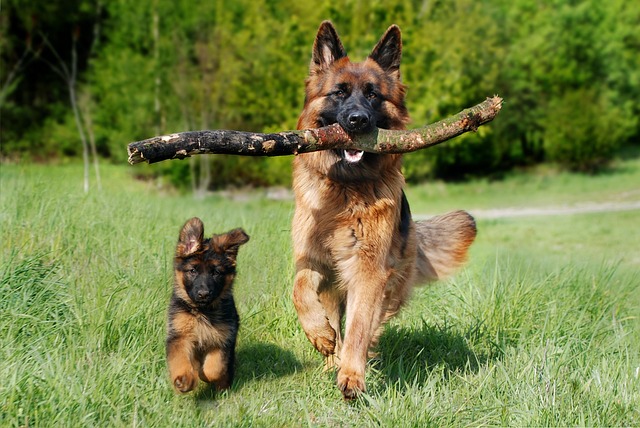
Puppy growling during play is often a normal expression of excitement and engagement. This vocalization typically indicates that your puppy is enjoying the interaction, but it’s essential to pay attention to the context and the play dynamics to ensure it remains playful and does not escalate into aggression. While many puppies growl happily when they are having fun, certain signs can indicate that the growling may be a cause for concern.
Understanding the difference between playful growling and aggressive growling is crucial for any puppy owner. Playful growling is often accompanied by other playful behaviors, such as jumping, wagging tails, and an overall relaxed body posture. In contrast, aggressive growling may be accompanied by stiff body language, bared teeth, or a fixed gaze, signaling that the puppy is feeling threatened or uncomfortable. Recognizing these differences can help you manage your puppy’s behavior effectively.
When Is Growling Normal?
Growling can be a normal part of a puppy’s play behavior, especially when they are interacting with other dogs or humans. It often occurs during games of tug, chase, or wrestling. In these instances, growling serves as a communication tool, signaling excitement and enthusiasm. As long as the growling is playful and doesn’t escalate into aggression, it can be a healthy part of your puppy’s social interactions.
However, it is important for owners to monitor their puppy’s play to ensure it remains safe and enjoyable. Play should always be reciprocal, with both the puppy and their playmate appearing relaxed and engaged. If one party seems overwhelmed or uncomfortable, it may be necessary to intervene to prevent any negative interactions.
Signs of Playful Growling
Playful growling is typically characterized by a few key behaviors that indicate your puppy is having fun. Look for these signs:
- Wagging Tail: A wagging tail is often a sign of excitement and happiness.
- Play Bow: This posture, where the puppy lowers their front legs while keeping their rear in the air, is a clear invitation to play.
- Relaxed Body Language: A relaxed posture with loose movements indicates that the puppy is comfortable and enjoying the play.
If your puppy exhibits these behaviors along with growling, it is likely that they are simply expressing their playful nature. Engaging in play with your puppy can help strengthen your bond and provide them with essential socialization experiences.
When to Be Concerned
While occasional growling during play can be normal, there are times when it may indicate a problem. If the growling becomes more frequent, intense, or is accompanied by aggressive behaviors such as snapping, lunging, or biting, it is essential to take action. Such behaviors may signal that your puppy is feeling threatened, overstimulated, or is trying to assert dominance.
In these cases, it is important to intervene and redirect your puppy’s energy. Teaching your puppy appropriate boundaries during play can help mitigate aggressive tendencies. If the growling persists or escalates, consulting a professional trainer or behaviorist can provide valuable insights and strategies for managing the behavior effectively.
Tips for Managing Growling
To ensure that your puppy’s growling during play remains a positive aspect of their behavior, consider the following tips:
- Set Boundaries: Establish clear rules for playtime to help your puppy understand what is acceptable behavior.
- Monitor Playmates: Supervise interactions with other dogs or children to prevent overstimulation or negative experiences.
- Teach Commands: Training your puppy with commands such as “quiet” or “enough” can help manage their vocalizations during play.
- Provide Alternatives: Offer toys or activities that can channel your puppy’s energy in a positive way, reducing the likelihood of growling during play.
By implementing these strategies, you can foster a safe and enjoyable play environment for your puppy, allowing them to express their playful nature without crossing into aggressive territory.
Frequently Asked Questions
Is it normal for puppies to growl during play?
Yes, growling during play is often a normal behavior that indicates excitement and engagement.
How can I tell if my puppy’s growling is playful or aggressive?
Playful growling is usually accompanied by wagging tails and relaxed body language, while aggressive growling may involve stiff posture and bared teeth.
What should I do if my puppy growls excessively?
If your puppy growls excessively, assess the play context and consider redirecting their energy or consulting a trainer for guidance.
Can growling lead to aggressive behavior?
While growling can be playful, if it escalates or is accompanied by aggressive signals, it may indicate a need for behavioral intervention.
How can I manage my puppy’s growling during play?
Establish clear boundaries, supervise play, and teach commands to help manage your puppy’s growling effectively.
Conclusion
In summary, puppy growling during play is usually a normal behavior that reflects excitement and engagement. However, it’s essential to differentiate between playful and aggressive growling to ensure safe interactions. By monitoring your puppy’s behavior, setting boundaries, and providing appropriate training, you can foster a positive play environment. If you notice any concerning behaviors, don’t hesitate to seek professional guidance to address the issue effectively.