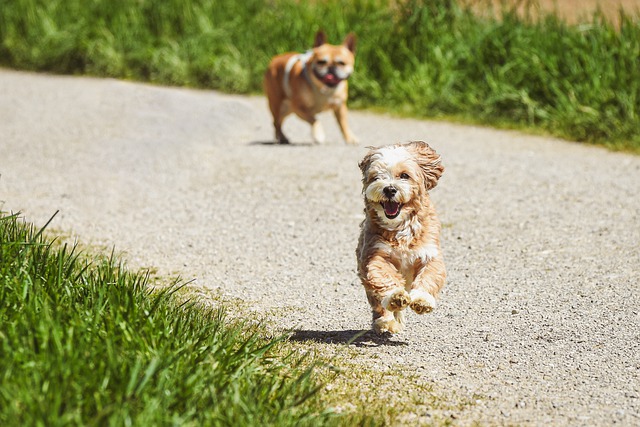
Puppy whining during car travel consistently can stem from anxiety or discomfort, which is common among young dogs. Many puppies feel unsettled by the moving vehicle, unfamiliar sights, sounds, and the confinement of a crate or seatbelt. Understanding the root cause of this behavior is crucial for finding effective solutions.
To alleviate whining, it’s important to create a comfortable environment for your puppy. Use familiar items such as their favorite blanket or toy to provide a sense of security. Additionally, consider using a well-ventilated crate or a dog seatbelt to ensure safety while allowing your puppy to feel secure. Gradual exposure to car rides can also help; start with short trips and gradually increase the duration as your puppy becomes more comfortable.
Understanding the Causes of Whining
Puppy whining during car travel can be attributed to several factors, including anxiety, fear, or even motion sickness. Puppies may not yet be accustomed to the sensation of movement, leading to discomfort. Identifying the specific cause of your puppy’s whining is essential for addressing the behavior effectively.
Common mistakes include assuming that all puppies will adapt quickly to car travel. Each puppy is unique, and some may require more time and patience. Observing your puppy’s body language can provide insights into their emotional state during travel, helping you tailor your approach to their needs.
Creating a Comfortable Space
To help your puppy feel secure during car rides, create a designated space in the vehicle. This can be achieved by using a pet seat cover or a crate that is familiar to your puppy. Make sure the area is well-ventilated and not too hot or cold, as temperature discomfort can exacerbate anxiety.
In addition to physical comfort, consider using calming aids such as pheromone sprays or anxiety wraps. These products can help soothe your puppy and reduce their tendency to whine. Always monitor your puppy’s reaction to these aids and adjust as necessary.
Gradual Acclimatization Techniques
Gradually acclimating your puppy to car travel is crucial for reducing whining. Start by allowing your puppy to explore the vehicle while it is stationary. Reward them with treats and praise for calm behavior. Once they are comfortable, take short trips around the block, gradually increasing the duration as they become more relaxed.
Consistency is key during this process. Make car rides a positive experience by incorporating playtime or treats after each trip. This helps your puppy associate the car with enjoyable experiences rather than anxiety-inducing situations.
What to Avoid During Travel
During car travel, avoid leaving your puppy unattended in the vehicle, as this can lead to increased anxiety and potential harm. Additionally, avoid sudden stops or loud noises that may startle your puppy. Keeping the car environment calm and predictable can significantly reduce whining.
Another common mistake is not allowing your puppy enough breaks on longer trips. Plan for regular stops where your puppy can stretch, relieve themselves, and drink water. This helps prevent discomfort and keeps your puppy relaxed during the journey.
For more insights on addressing puppy behavior during travel, consider exploring resources from veterinary behaviorists or reputable dog training organizations. Understanding your puppy’s needs and behavior can significantly enhance your travel experiences together.
Frequently Asked Questions
Why does my puppy whine during car rides?
Puppy whining during car rides is often due to anxiety, discomfort, or unfamiliarity with the environment.
How can I stop my puppy from whining in the car?
Create a comfortable space, use calming aids, and gradually acclimate your puppy to car travel.
Is it okay to leave my puppy alone in the car?
No, leaving your puppy alone in the car can lead to anxiety and potential harm.
What should I do if my puppy gets car sick?
If your puppy shows signs of car sickness, consult your veterinarian for advice on managing the condition.
How long should I wait before taking my puppy on a long car ride?
Start with short trips and gradually increase the duration as your puppy becomes more comfortable.
Conclusion
All in all, addressing puppy whining during car travel consistently involves understanding the causes, creating a comfortable environment, and gradually acclimating your puppy to the car. Implementing these strategies will help ensure a more peaceful and enjoyable travel experience for both you and your puppy. Prioritize patience and consistency as you work through this process, and remember that each puppy is unique in their needs and responses.