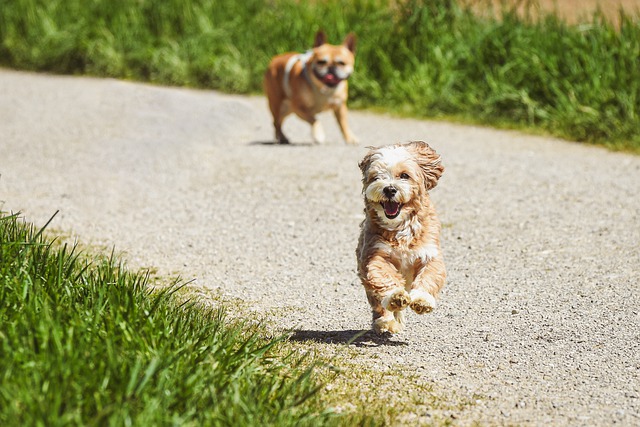
Teaching your puppy to walk beside you is essential for safe and enjoyable walks. Begin by using a leash and treats to guide your puppy into the desired position. Reward them when they stay close, reinforcing the behavior you want. This method helps them associate walking beside you with positive experiences, making it more likely they will repeat the behavior.
Many owners underestimate the importance of consistency in training. Puppies thrive on routine, so setting aside specific times each day for training can significantly enhance their learning. Avoid common pitfalls, such as allowing them to pull ahead or get distracted by other stimuli. Instead, use a firm but gentle correction when they stray, followed by a reward when they return to your side.
Understanding Your Puppy’s Behavior
Before starting training, it’s crucial to understand your puppy’s natural instincts and behaviors. Puppies are curious and easily distracted, which can make it difficult for them to focus on walking beside you. Recognizing these tendencies helps set realistic expectations during training.
Take the time to observe what captures your puppy’s attention. Other dogs, people, and sounds can easily divert them from walking calmly beside you. By understanding what distracts them, you can better prepare for training sessions and choose environments that minimize these distractions.
Setting Up for Success
Creating the right environment for training is key to success. Begin in a quiet area with minimal distractions, such as your backyard or a quiet park. Use a standard leash and collar or harness that fits your puppy comfortably. This setup helps ensure they can focus on you rather than their surroundings.
Additionally, consider the timing of your training sessions. Puppies have short attention spans, so keep sessions brief but frequent. Aim for 5-10 minute sessions several times a day to reinforce learning without overwhelming them.
Training Techniques
One effective technique is the “heel” command, which encourages your puppy to stay close. Start walking and use treats to guide your puppy into the correct position at your side. When they are in the right spot, reward them immediately with praise or a treat. Repeat this process consistently.
Another method involves stopping when your puppy pulls ahead. This teaches them that pulling does not lead to progress. Once they return to your side, start walking again and reward them for staying close. This technique reinforces the idea that walking beside you is the only way to move forward.
Common Mistakes to Avoid
One common mistake is using a retractable leash, which can encourage pulling. Stick to a standard leash to maintain better control during training. Additionally, avoid inconsistently rewarding your puppy; every time they walk beside you, they should receive praise or a treat. Inconsistency can confuse them and slow down their learning.
Another pitfall is not correcting unwanted behavior promptly. If your puppy is pulling or wandering, address the behavior immediately rather than waiting until it becomes a habit. Early intervention is crucial for effective training.
Frequently Asked Questions
What age should I start training my puppy to walk beside me?
You can start training your puppy to walk beside you as early as 8 weeks old. Early socialization and training are crucial for developing good habits.
How long should training sessions be?
Keep training sessions short, around 5-10 minutes, to maintain your puppy’s focus and prevent frustration.
What should I do if my puppy refuses to walk beside me?
If your puppy refuses to walk beside you, try using higher-value treats or find a quieter location with fewer distractions for training.
Is it okay to use a harness?
Yes, using a harness can be beneficial, especially for puppies that pull, as it provides better control and comfort.
How can I reinforce good behavior?
Reinforce good behavior by rewarding your puppy with treats, praise, or playtime whenever they walk beside you correctly.
Conclusion
Teaching your puppy to walk beside you requires patience, consistency, and understanding of their behavior. Focus on creating a positive training environment and use effective techniques to reinforce the desired behavior. Avoid common mistakes that can hinder progress, and remember to keep training sessions short and engaging. With dedication, your puppy will learn to walk beside you, making walks more enjoyable for both of you.