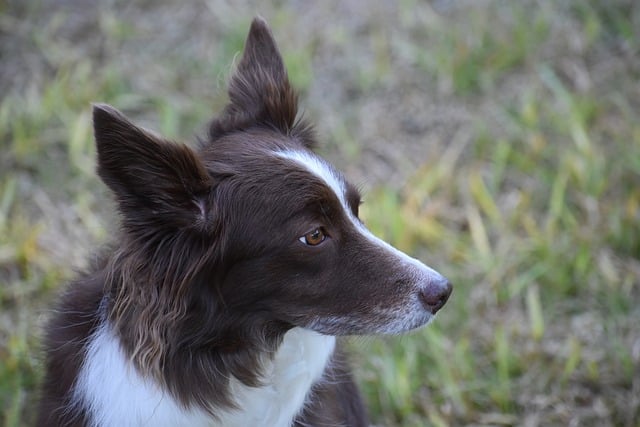
If your puppy won’t stop following you, it often stems from their natural instinct for companionship and safety. Puppies are social animals that thrive on interaction, and your presence provides them comfort and security. However, constant following can develop into an issue if it leads to anxiety or dependence, affecting their ability to be independent.
Understanding the root cause of this behavior is crucial. Puppies may follow you as a result of their attachment, fear of being alone, or simply out of curiosity. It’s essential to recognize that this behavior is common, especially in young dogs who are still learning how to navigate their environment. The challenge lies in balancing their need for closeness with the necessity of fostering independence.
Understanding the Reasons Behind Following
Puppies may follow their owners for several reasons, including the desire for companionship, fear of abandonment, or even curiosity about their surroundings. This behavior is often a sign of affection and loyalty, but it can become problematic if it turns into separation anxiety. Puppies are naturally inclined to seek their owners for reassurance, especially in new environments where they feel unsure.
It’s important to observe your puppy’s behavior to determine if their following is a sign of insecurity or simply an expression of their playful nature. For instance, if your puppy appears anxious when left alone, it may indicate a deeper issue that needs addressing. Understanding their triggers can help you develop a more effective strategy for managing their behavior.
Encouraging Independence
To help your puppy become more independent, start by creating a safe space where they can explore without your constant presence. This could be a designated area in your home with toys, a comfortable bed, and access to water. Gradually increase the time they spend in this space, allowing them to feel secure on their own.
Positive reinforcement is key when encouraging independence. Reward your puppy when they choose to play alone or stay in their designated space instead of following you everywhere. This helps them associate being alone with positive experiences, reducing their need to follow you constantly.
Training Techniques to Reduce Following
Implementing training techniques can effectively reduce your puppy’s desire to follow you. Start with basic commands like “stay” or “go to your spot.” Use treats and praise to reinforce these commands, encouraging your puppy to remain in one place while you move around the house. This not only helps them learn boundaries but also builds their confidence.
Another technique involves gradually increasing the distance between you and your puppy during play. Toss a toy or treat a short distance away and encourage them to retrieve it while you stay put. This reinforces that it’s okay to be apart for short periods and helps them understand that you will always return.
When to Seek Professional Help
If your puppy’s following behavior escalates into severe anxiety or distress, it may be time to consult a professional dog trainer or behaviorist. They can provide tailored strategies to address your puppy’s specific needs. Additionally, if you notice signs of aggression or extreme fear when left alone, professional guidance is crucial to ensure your puppy develops into a well-adjusted adult dog.
Seeking help early can prevent more serious behavioral issues down the line, allowing your puppy to thrive both in their relationship with you and in their independence.
Frequently Asked Questions
Why does my puppy follow me everywhere?
Your puppy likely follows you due to their natural instinct for companionship and security. They feel safe near you and may be seeking reassurance or attention.
Is it normal for puppies to be clingy?
Yes, it’s normal for puppies to be clingy as they form attachments. This behavior typically decreases as they grow and gain confidence.
How can I train my puppy to stop following me?
Train your puppy by encouraging independence through positive reinforcement, teaching commands like “stay,” and gradually increasing distance during play.
When should I be concerned about my puppy’s following behavior?
Concern arises if the following behavior leads to severe anxiety, distress, or aggression. Consulting a professional trainer may be necessary in such cases.
What can I do to help my puppy feel more secure?
Create a safe space for your puppy with toys and comfort items, and gradually encourage them to explore and play independently.
Conclusion
Managing a puppy that won’t stop following you requires understanding their needs and implementing strategies to encourage independence. By recognizing the reasons behind this behavior and applying effective training techniques, you can help your puppy feel secure while fostering their confidence. Consistent positive reinforcement, creating safe spaces, and engaging in training exercises are essential for developing a well-adjusted, independent dog. If issues persist, don’t hesitate to seek professional help to ensure your puppy grows into a happy and balanced companion.