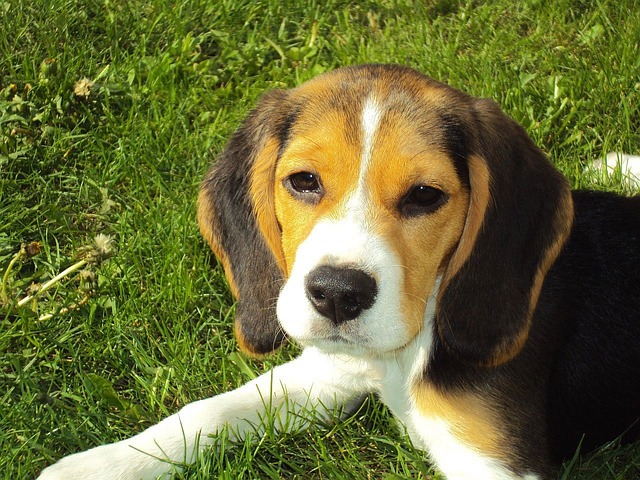
Rewarding good behavior in puppies is essential for effective training and building a positive relationship. The primary method for doing this is through positive reinforcement, which involves providing a reward immediately after the puppy exhibits the desired behavior. This can include treats, verbal praise, or playtime, all of which help the puppy associate good behavior with positive outcomes.
It is crucial to be consistent with rewards to reinforce learning effectively. Puppies may become confused if rewards are given inconsistently or if the timing is off. For instance, if a puppy sits on command but receives a treat several minutes later, they might not connect the behavior with the reward. Therefore, the immediate delivery of rewards is key to successful training.
Understanding Positive Reinforcement
Positive reinforcement is the process of encouraging a behavior by offering a reward following the desired action. This technique is grounded in behavioral psychology and is widely recognized as one of the most effective methods for training dogs. When puppies receive a reward for good behavior, they are more likely to repeat that behavior in the future.
For example, if a puppy is praised or given a treat for sitting on command, it creates a positive association with that command. The puppy learns that sitting leads to good things, which motivates them to comply in the future. This method not only helps in training but also strengthens the bond between the puppy and the owner.
Choosing the Right Rewards
Selecting appropriate rewards is vital for effective training. Different puppies respond to different types of rewards, so understanding your puppy’s preferences is essential. Common rewards include treats, toys, and verbal praise.
For instance, some puppies may be more motivated by food, while others might prefer playtime or affection. Experiment with various rewards to find what resonates best with your puppy. Additionally, ensure that the rewards are suitable for their age and health, as excessive treats can lead to weight issues.
Common Mistakes to Avoid
While rewarding good behavior is straightforward, several common mistakes can hinder the training process. One major pitfall is rewarding the puppy for undesired behaviors, such as jumping or barking for attention. This can confuse the puppy about what behavior is acceptable.
Another mistake is failing to reward immediately after the desired behavior. Delayed rewards can lead to misunderstandings about what action is being reinforced. Ensure that you are consistent with your rewards and focus on reinforcing only the behaviors you want to encourage.
Creating a Reward System
A structured reward system can greatly enhance your puppy training efforts. Start by identifying key behaviors you want to reinforce, such as sitting, staying, or coming when called. Create a reward chart to track your puppy’s progress and the behaviors being reinforced.
By regularly monitoring and adjusting your rewards based on your puppy’s responses, you can tailor your training approach. This system not only helps in maintaining consistency but also allows you to celebrate your puppy’s achievements, further motivating them to learn.
Frequently Asked Questions
What is the best way to reward my puppy?
The best way to reward your puppy is through positive reinforcement, such as treats or praise, immediately following the desired behavior.
How often should I reward my puppy?
You should reward your puppy every time they display the desired behavior during training sessions to reinforce learning.
Can I use toys as rewards?
Yes, many puppies respond well to toys as rewards, especially if they enjoy playing fetch or tug-of-war.
What should I avoid when rewarding my puppy?
Avoid rewarding your puppy for bad behaviors, such as jumping or barking, as this can reinforce those actions.
How long does it take for puppies to learn?
Puppies can learn new commands and behaviors within a few days to weeks, depending on the consistency of training and the methods used.
Conclusion
Rewarding good behavior in puppies is a fundamental aspect of training that fosters a strong bond between you and your pet. By utilizing positive reinforcement consistently and choosing the right rewards, you can effectively guide your puppy towards good behavior. Remember to avoid common pitfalls, such as rewarding undesired behaviors, and consider creating a structured reward system to enhance your training efforts. With patience and consistency, you will see positive changes in your puppy’s behavior, leading to a more enjoyable experience for both of you.