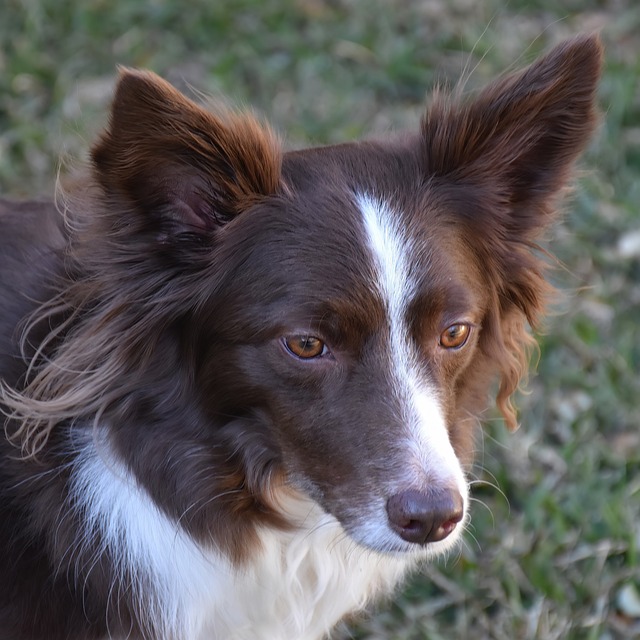
When your puppy eats everything outside, it’s essential to act quickly to prevent potential health hazards. Puppies are naturally curious and may consume harmful items like plants, trash, or foreign objects. This behavior can lead to serious issues, including digestive blockages or poisoning, which can have severe consequences for your pet’s health.
Understanding the reasons behind this behavior is crucial. Puppies often explore their environment through taste, and if they are left unattended, they may eat anything that piques their interest. Furthermore, boredom or lack of stimulation can drive them to seek out inappropriate items to chew on. Addressing these underlying causes is vital for both their safety and your peace of mind.
Identify Dangerous Items
The first step in managing a puppy that eats everything outside is to identify what they are consuming. Common dangerous items include toxic plants, small stones, and garbage. Familiarize yourself with the local flora and remove any harmful plants from your yard. Additionally, be vigilant about keeping trash cans secure and picking up any litter that may be in your puppy’s reach.
Regularly inspect your yard for potential hazards. Consider creating a designated play area free from dangerous items, which can help reduce the risk of ingestion. This proactive approach can significantly minimize the chances of your puppy eating something harmful.
Supervision and Training
Supervising your puppy while outdoors is crucial to prevent them from eating inappropriate items. Always keep them on a leash when outside, especially in unfamiliar areas. This gives you more control and allows you to redirect their focus if they attempt to eat something harmful.
Training commands such as “leave it” or “drop it” can be invaluable in these situations. Consistently practicing these commands during walks or playtime reinforces their importance. Positive reinforcement techniques, such as treats and praise, can help your puppy learn these commands more effectively.
Health Risks and Symptoms
If your puppy has eaten something hazardous, it’s essential to monitor for symptoms of distress. Signs to watch for include vomiting, diarrhea, lethargy, or unusual behavior. If you notice any of these symptoms, contact your veterinarian immediately. They can provide guidance on the next steps and determine if your puppy needs medical attention.
Being aware of the types of items that pose risks can save your puppy’s life. Some common culprits include chocolate, certain household plants, and small toys. Knowing these risks will help you remain vigilant and protect your puppy from harm.
Providing Alternatives
To prevent your puppy from eating everything outside, provide appropriate alternatives that can satisfy their chewing instincts. Invest in durable chew toys or safe items designed to withstand vigorous chewing. These alternatives can keep your puppy engaged and divert their attention away from harmful objects.
Additionally, consider increasing your puppy’s physical and mental stimulation through regular exercise and interactive games. Engaging your puppy in activities like fetch or agility training can reduce their urge to explore dangerous items.
Frequently Asked Questions
What should I do if my puppy eats something harmful?
If your puppy eats something harmful, monitor for symptoms like vomiting or lethargy and contact your veterinarian immediately.
How can I prevent my puppy from eating everything outside?
Supervise your puppy outdoors, use a leash, and provide engaging chew toys to redirect their focus.
What are the signs that my puppy has eaten something bad?
Look for signs like vomiting, diarrhea, or unusual behavior, and consult your veterinarian if these occur.
Are there specific plants that are toxic to puppies?
Yes, many common plants like azaleas, lilies, and sago palms are toxic to puppies. Research local flora to ensure your yard is safe.
How much exercise does my puppy need to avoid boredom?
Puppies typically need at least 30 minutes to 2 hours of exercise daily, depending on their breed and age, to stay mentally and physically stimulated.
Conclusion
To ensure your puppy’s safety, act quickly if they eat everything outside by identifying harmful items and supervising them closely. Training them to respond to commands can prevent dangerous behaviors, while providing alternatives can keep them engaged. Regular veterinary check-ups and awareness of potential hazards are vital for maintaining your puppy’s health. By being proactive, you can create a safer environment for your puppy and enjoy your time outdoors together.