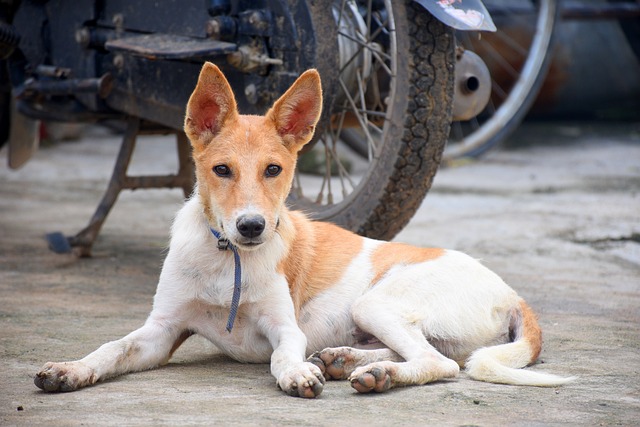
Training a puppy to stay home alone calmly involves a structured approach that builds their confidence and comfort with solitude. Begin by gradually increasing the time your puppy spends alone in a safe environment, like a crate or a designated room. This method allows them to adjust to the idea of being alone, which can significantly reduce anxiety.
Many puppies experience distress when left alone, primarily due to unfamiliarity with the situation. A common mistake is leaving them alone for extended periods without prior acclimatization. Instead, start with short durations and increase them incrementally. Ensure your puppy has access to engaging toys or treats that can occupy their attention while you are away. This distraction can help them associate your absence with positive experiences.
Establishing a calm routine before leaving is also crucial. For instance, practice leaving and returning home without making a fuss. This helps your puppy learn that your comings and goings are normal and not a cause for alarm. Additionally, providing a comfortable space with familiar scents, such as a blanket or a piece of your clothing, can further ease their anxiety.
Understanding Puppy Separation Anxiety
Puppy separation anxiety is a condition where your pet becomes distressed when left alone. This behavior is often rooted in their dependence on their owners for comfort and security. Understanding the signs of anxiety, such as barking, whining, or destructive behavior, is vital in addressing the issue effectively.
Many pet owners mistakenly believe that their puppy will naturally adjust over time. However, without proper training and gradual exposure to solitude, these issues can escalate. Be observant of your puppy’s behavior and act early to prevent long-term anxiety issues.
Steps for Gradual Acclimatization
Begin the training process by leaving your puppy alone for short periods, gradually increasing the duration. Start with just a few minutes and then extend the time as your puppy becomes more comfortable. This step-by-step approach helps create a sense of security and reduces anxiety over time.
To assist with this process, consider using a timer to track your sessions. This way, your puppy learns that your absence is temporary. Also, ensure you return before they start to exhibit signs of distress to reinforce positive behavior.
Creating a Safe and Engaging Environment
Providing a safe and engaging environment is crucial for your puppy’s comfort while home alone. Set up a designated area with toys, chew items, and a cozy bed. Interactive toys, such as puzzle feeders, can keep your puppy entertained and mentally stimulated.
Additionally, consider leaving a television or radio on at a low volume. The background noise can help mask outside sounds that might trigger anxiety. Familiar scents and sounds can create a calming atmosphere, making your puppy feel more secure in their space.
Common Mistakes to Avoid
One of the most common mistakes is making a big fuss when leaving or returning home. This behavior can reinforce your puppy’s anxiety about separation. Instead, practice calm departures and arrivals to normalize the process.
Another mistake is leaving your puppy alone for too long too soon. This can lead to overwhelming anxiety and potential behavioral issues. Always prioritize gradual acclimatization and patience throughout the training process.
Frequently Asked Questions
How long can a puppy stay home alone?
Puppies can typically stay home alone for about one hour for every month of age. Therefore, a two-month-old puppy might be okay alone for two hours.
What should I do if my puppy barks when left alone?
If your puppy barks when left alone, ensure they have plenty of toys and distractions. Gradually increase their alone time and avoid reinforcing barking with attention.
Can I use a crate to train my puppy to stay home alone?
Yes, using a crate can help your puppy feel safe and secure. Make sure to introduce the crate positively and never use it as a punishment.
What are signs of separation anxiety in puppies?
Signs of separation anxiety include barking, whining, destructive behavior, and excessive drooling when left alone.
How can I help my puppy feel better about being alone?
To help your puppy feel better about being alone, create a positive environment, use engaging toys, and gradually increase their alone time.
Conclusion
Training your puppy to stay home alone calmly is a gradual process that requires patience and consistency. Focus on creating a safe environment, gradually acclimatizing them to solitude, and avoiding common mistakes that can exacerbate anxiety. Prioritize positive reinforcement and a calm routine to help your puppy develop confidence in being alone. With time and dedication, your puppy will learn to enjoy their alone time peacefully.