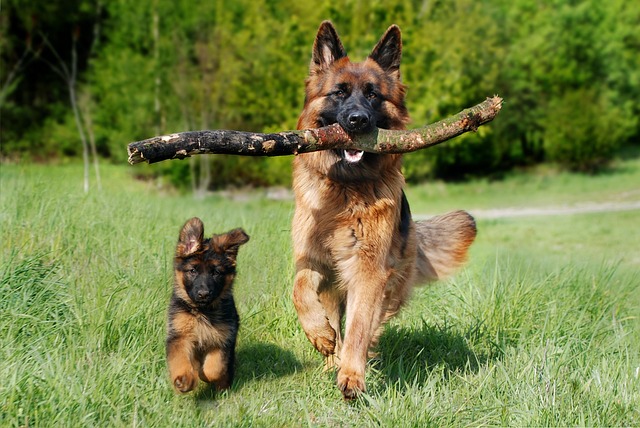
Training a puppy without yelling is essential for fostering a trusting and positive relationship. Instead of relying on harsh tones or punishment, utilize positive reinforcement techniques that reward desired behaviors. This approach not only creates a more enjoyable training experience but also helps your puppy learn more effectively and build confidence.
Many new puppy owners may assume that yelling is an effective way to correct behavior, but this can lead to fear and anxiety in your pet. Puppies are sensitive to their owners’ emotions, and yelling can confuse them, making it harder for them to understand what is expected. Instead, focus on creating a calm and supportive environment that encourages learning.
Understanding Positive Reinforcement
Positive reinforcement is a training method that involves rewarding your puppy for displaying desired behaviors. This can be done through treats, praise, or playtime, which helps reinforce the behavior you want to encourage. By focusing on what your puppy does right, you create a more enjoyable learning experience that strengthens your bond.
One common mistake is to wait too long to reward your puppy after they exhibit the desired behavior. Immediate reinforcement is crucial for your puppy to connect the action with the reward. For instance, if your puppy sits on command, give them a treat right away to reinforce that behavior. This helps them understand what they are being rewarded for, making training more effective.
Common Mistakes in Puppy Training
Many puppy owners make the mistake of using yelling as a form of correction, which can lead to a range of issues including fear-based aggression or anxiety. When puppies are yelled at, they may not understand what they did wrong and may become fearful of their owners or the training process itself.
Another common error is inconsistency. If you reward your puppy for sitting on one occasion and scold them for it another time, it creates confusion. Consistency in your commands and responses is key to effective training. Make sure all family members are on the same page regarding the rules and commands to avoid mixed messages.
Establishing a Calm Training Environment
A calm training environment is essential for effective puppy training. Choose a quiet space with minimal distractions where your puppy can focus on you and the training exercises. This will help them learn more effectively and reduce the likelihood of stress or anxiety.
Additionally, set aside dedicated time for training sessions. Short, frequent sessions are often more effective than long, infrequent ones. Aim for 5-10 minute sessions several times a day to keep your puppy engaged and prevent boredom. Always end on a positive note, even if it means just playing with your puppy for a few minutes.
Effective Training Techniques
To train your puppy effectively without yelling, consider using techniques such as clicker training. This method involves using a clicker to mark desired behaviors, followed by a reward. The sound of the clicker becomes associated with positive reinforcement, helping your puppy learn quickly.
Another technique is to use lure-and-reward training. This involves using a treat to guide your puppy into the desired position, such as sitting or lying down. Once they follow your lead, reward them immediately. This method is particularly effective for teaching new commands and behaviors.
Frequently Asked Questions
Why is yelling not effective in puppy training?
Yelling can confuse puppies and create fear, making it difficult for them to learn what is expected. Positive reinforcement is more effective in teaching desired behaviors.
What is positive reinforcement?
Positive reinforcement involves rewarding desired behaviors to encourage them in the future. This can be through treats, praise, or playtime.
How often should I train my puppy?
Short training sessions of 5-10 minutes several times a day are ideal for maintaining your puppy’s attention and motivation.
What should I do if my puppy misbehaves?
Redirect your puppy to a desired behavior and reward them when they comply. Avoid punishment, as it can lead to confusion and anxiety.
Can I train an older puppy the same way?
Yes, older puppies can also benefit from positive reinforcement training. The key is to be patient and consistent.
Conclusion
Training your puppy without yelling is crucial for developing a healthy relationship built on trust. By using positive reinforcement techniques, you can effectively teach your puppy desired behaviors while avoiding the pitfalls of fear and anxiety associated with yelling. Focus on consistency, create a calm training environment, and utilize effective methods like clicker training to achieve the best results. Remember, patience and understanding are key as you embark on this rewarding journey with your new companion.