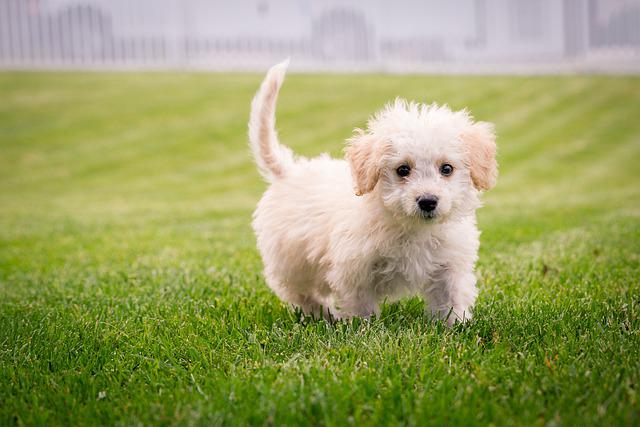
Training a puppy to respect boundaries involves establishing clear rules and consistently enforcing them. This process helps your puppy understand what behaviors are acceptable and which are not. Consistent reinforcement is crucial; using positive reinforcement techniques, such as treats and praise, can effectively encourage desired behaviors while gently correcting any unwanted actions. Setting clear physical and behavioral boundaries is essential for guiding your puppy through this learning phase.
Many new puppy owners underestimate the importance of boundaries, leading to confusion for the puppy and frustration for the owner. A lack of clear limits can result in behavioral issues such as jumping, chewing, or excessive barking. It is vital to prioritize consistency in your training approach, as puppies thrive on routine and clarity. If boundaries are not consistently enforced, puppies may test limits, leading to unwanted behaviors.
Understanding Puppy Behavior
Understanding your puppy’s behavior is the first step in teaching them to respect boundaries. Puppies are naturally curious and may not instinctively know what is off-limits. Their exploration is a part of their learning process, and it is essential to guide them gently. Recognizing their body language and vocalizations can provide insight into their needs and help you set appropriate boundaries.
Puppies often test their limits as they learn about the world around them. They may jump on furniture, chew on shoes, or bark excessively. These behaviors are not inherently bad; instead, they reflect their curiosity and energy. As a responsible owner, your role is to redirect these behaviors towards acceptable actions. Consistency in your responses will help your puppy learn more effectively.
Establishing Clear Boundaries
Establishing clear boundaries is essential for effective training. Start by identifying specific areas or items that are off-limits, such as certain rooms or furniture. Use physical barriers, like baby gates, to help enforce these boundaries initially. This physical separation can make it easier for your puppy to understand where they can and cannot go.
Once you have set clear boundaries, communicate them consistently. Use commands such as “off” or “no” when your puppy crosses a boundary. It’s important to remain calm and assertive, as your attitude will influence your puppy’s response. Over time, they will learn the parameters of acceptable behavior and will be less likely to test those limits.
Positive Reinforcement Techniques
Positive reinforcement is a powerful tool in training your puppy to respect boundaries. Rewarding good behavior with treats, praise, or playtime encourages your puppy to repeat those actions. For instance, when your puppy stays off the furniture, immediately reward them to reinforce this behavior.
Additionally, timing is crucial. Ensure that rewards are given immediately after the desired behavior occurs so that your puppy can make the connection. Consistent positive reinforcement helps build a trusting relationship between you and your puppy, making them more receptive to your guidance.
Common Mistakes to Avoid
One common mistake puppy owners make is inconsistency in enforcing boundaries. If you occasionally allow behaviors that you typically correct, your puppy may become confused about what is acceptable. This inconsistency can lead to frustration for both you and your puppy.
Another mistake is failing to recognize the importance of patience. Puppies require time to learn and adapt to new rules. Avoid harsh corrections; instead, focus on redirection and positive reinforcement. This approach fosters a supportive learning environment, helping your puppy to understand and respect boundaries more effectively.
Frequently Asked Questions
What age should I start training my puppy to respect boundaries?
Training can begin as early as 8 weeks old. Start with basic commands and gradually introduce boundaries.
How long does it take for a puppy to learn boundaries?
It varies by puppy, but with consistent training, most puppies can learn basic boundaries within a few weeks.
Can I use negative reinforcement to train my puppy?
While some owners use negative reinforcement, it is generally less effective than positive methods and can harm the bond with your puppy.
What if my puppy ignores the boundaries?
If your puppy ignores boundaries, reassess your training consistency and ensure you’re rewarding good behavior promptly.
Should I enroll my puppy in training classes?
Yes, training classes can provide professional guidance and socialization opportunities, enhancing your puppy’s learning.
Conclusion
Training your puppy to respect boundaries is a crucial part of responsible pet ownership. By establishing clear rules, using positive reinforcement, and avoiding common mistakes, you can help your puppy learn acceptable behaviors effectively. Remember to be patient and consistent, as this will foster a trusting relationship and encourage your puppy to thrive. Start implementing these strategies today to create a well-behaved companion.