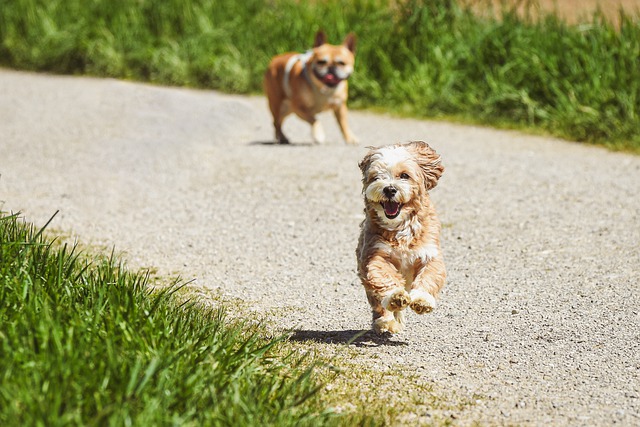
The easiest way to potty train a puppy involves establishing a consistent schedule combined with positive reinforcement techniques. Puppies thrive on routine, so taking them out at regular intervals—such as after meals, playtime, and naps—helps them understand when and where it’s appropriate to relieve themselves. Consistency is essential, as it helps your puppy develop a reliable habit.
Many new puppy owners make the mistake of not recognizing the signs that their puppy needs to go outside, such as sniffing around, whining, or circling. By paying attention to these behaviors and responding promptly, you can prevent accidents indoors. Additionally, using a specific command, like “go potty,” can help your puppy associate the cue with the action.
Another common pitfall is scolding the puppy after an accident. This can create anxiety and confusion, making it harder for them to learn. Instead, focus on praising your puppy when they successfully go outside. This positive reinforcement encourages them to repeat the behavior. If your puppy has an accident, clean it up thoroughly to eliminate any lingering scent that may tempt them to go there again.
Understanding Your Puppy’s Needs
To successfully potty train your puppy, it’s essential to understand their natural behaviors and needs. Puppies typically need to relieve themselves after sleeping, eating, or playing. Recognizing these cues is crucial for effective training. A puppy’s bladder control is still developing, so they may need to go outside every hour or two.
Each breed may have different tendencies regarding potty training. Smaller breeds often have smaller bladders and may need more frequent breaks. Understanding your puppy’s specific needs can help tailor your training approach for better results.
Creating a Potty Training Schedule
Establishing a consistent potty training schedule is vital for success. Take your puppy outside first thing in the morning, after meals, after playtime, and before bedtime. This routine helps them learn when to expect bathroom breaks, reducing the chances of indoor accidents.
Additionally, keeping a log of your puppy’s potty habits can help you identify patterns. If you notice they consistently need to go out at a certain time, you can adjust your schedule accordingly. This proactive approach fosters better habits and speeds up the training process.
Positive Reinforcement Techniques
Positive reinforcement is one of the most effective ways to potty train a puppy. When your puppy successfully goes outside, reward them immediately with praise, treats, or playtime. This association helps them recognize that going in the right place results in positive outcomes.
Consider using a clicker or a specific verbal cue as a form of reinforcement. When your puppy goes outside, click the clicker or say the cue just before giving them a reward. This technique reinforces the desired behavior and strengthens their learning process.
Common Mistakes to Avoid
One common mistake is not being consistent with the training process. Inconsistency can confuse your puppy and hinder their learning. Ensure that everyone in your household follows the same potty training rules and procedures.
Another mistake is using punitive measures after accidents. Scolding or punishing your puppy can lead to fear and anxiety, making them less likely to communicate their needs. Instead, focus on redirecting them to the proper behavior and offering praise for successes.
For additional resources on effective potty training techniques, consider exploring reputable dog training books or websites that focus on puppy behavior. These can provide insights into specific breeds and additional strategies to enhance your training methods.
Frequently Asked Questions
What is the best age to start potty training?
The best age to start potty training is around 12 weeks old when a puppy can begin to control their bladder.
How long does it take to potty train a puppy?
Potty training can take anywhere from a few weeks to several months, depending on the puppy’s age, breed, and consistency in training.
Should I use pads for potty training?
Using pads can be helpful for indoor training, but it may confuse the puppy if you later want them to go outside exclusively.
What should I do if my puppy has an accident indoors?
Clean the area thoroughly to remove any scent and avoid scolding your puppy. Instead, focus on reinforcing outdoor bathroom habits.
Can my puppy be trained to go on command?
Yes, with consistent training and positive reinforcement, you can teach your puppy to go potty on command.
Conclusion
Potty training a puppy requires consistency, understanding of their needs, and effective positive reinforcement. By establishing a solid routine and being mindful of common pitfalls, you can streamline the training process and foster good habits in your puppy. Focus on rewarding successes and maintaining a calm approach to accidents for the best results. Remember, patience is key, and soon enough, your puppy will be reliably trained.