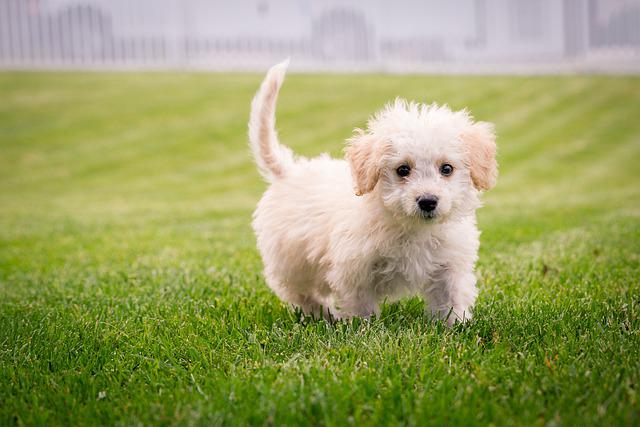
Training a rescue puppy at home requires a structured approach that emphasizes routine and positive reinforcement. These dogs often arrive with varying degrees of behavioral issues stemming from their past, making a calm, patient environment essential for their learning process. Start by creating a consistent daily schedule that includes feeding, potty breaks, exercise, and training sessions. This routine helps the puppy feel secure and understand what to expect, which is critical for their adjustment.
Understanding the unique background of your rescue puppy is vital. Many of these dogs may exhibit fear, anxiety, or uncertainty due to previous experiences. Therefore, focusing on building trust through gentle interactions and positive experiences is crucial. Use treats and praise to reinforce good behavior and establish a bond with your puppy. Avoid harsh corrections, as these can lead to further anxiety and reluctance to learn.
Establishing a Training Routine
A well-defined training routine is essential when working with a rescue puppy. This routine should include specific times for training, feeding, and play, helping the puppy understand what is expected. Begin each training session with short, focused activities to maintain the puppy’s attention and gradually increase the complexity of tasks as they learn.
It’s important to keep training sessions brief but frequent, ideally around five to ten minutes, especially for younger or more anxious dogs. This prevents overwhelming them and keeps their interest piqued. Consistency in commands and actions will help reinforce learning, making it easier for the puppy to grasp what you want them to do.
Building Trust and Confidence
One of the most significant aspects of training a rescue puppy is building their trust in you. Many rescue puppies have experienced trauma or neglect, leading to fear or distrust of humans. To counter this, approach your puppy calmly and avoid sudden movements or loud noises. Allow them to come to you at their own pace, using treats to encourage interaction.
Engaging in positive reinforcement techniques, such as clicker training, can significantly boost a rescue puppy’s confidence. Every time they respond correctly to a command or exhibit good behavior, reward them immediately. This not only reinforces the desired behavior but also helps the puppy associate training with positive experiences.
Basic Commands and Their Importance
Teaching basic commands like sit, stay, and come is crucial for a rescue puppy’s training. These commands not only improve obedience but also enhance safety for both the puppy and others. Start with simple commands, using treats as motivation. For instance, when teaching ‘sit’, hold a treat above their nose and move it back over their head. As they lower their bottom to the ground, say ‘sit’ and reward them once they comply.
Repetition is key in this phase; practice commands in different environments to help your puppy generalize their understanding. Over time, these commands can help manage behavior and create a solid foundation for more advanced training.
Common Challenges and Solutions
Training a rescue puppy can come with unique challenges, such as fear-based behaviors or lack of socialization. It’s common for rescue puppies to react fearfully to new situations or people, which can hinder their training progress. To address these issues, slowly introduce your puppy to different environments, people, and other pets in a controlled manner.
Additionally, addressing common behaviors like jumping or barking can require patience and consistency. Redirect these behaviors by providing alternative actions, such as offering a toy when they start to jump. With time and dedication, most rescue puppies can learn to behave appropriately in various situations.
Frequently Asked Questions
What is the best way to socialize my rescue puppy?
The best way to socialize your rescue puppy is to gradually expose them to various people, environments, and other animals in a controlled manner, rewarding them for calm behavior.
How long does it take to train a rescue puppy?
Training a rescue puppy can take several weeks to months, depending on their previous experiences and individual temperament. Consistency and patience are key.
Should I use treats for training?
Yes, using treats as positive reinforcement can be very effective for training, as they motivate your puppy to learn and obey commands.
What should I do if my rescue puppy is fearful?
If your rescue puppy is fearful, take things slow, avoid overwhelming situations, and use positive reinforcement to encourage confidence-building activities.
Can I train a rescue puppy myself?
Yes, many owners successfully train their rescue puppies at home using positive reinforcement techniques. However, seeking professional guidance may be beneficial if challenges arise.
Conclusion
Training a rescue puppy at home is a rewarding process that requires patience, consistency, and a focus on building trust. By establishing a routine, using positive reinforcement, and addressing specific challenges, you can create a nurturing environment where your puppy can thrive. Remember, each puppy is unique, and adapting your training methods to their needs is essential for successful integration into your home. Start with the basics, be patient, and celebrate small victories along the way.