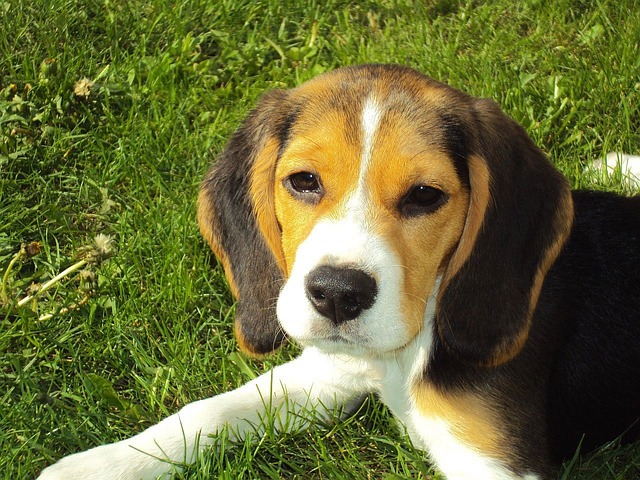
The best potty training tips for new puppy owners center around creating a structured routine and employing effective positive reinforcement methods. Regular potty breaks, especially after meals, playtime, and naps, will significantly reduce the likelihood of indoor accidents.
Additionally, many new puppy owners make the mistake of not recognizing their puppy’s signals for needing to go outside. Observing your puppy’s behavior, such as sniffing or circling, can help you anticipate their needs. By promptly responding to these signals, you can reinforce the desired behavior and establish a strong potty training foundation.
Creating a Consistent Routine
Establishing a consistent potty routine is one of the most effective potty training tips for new puppy owners. Puppies thrive on routine, and a predictable schedule helps them learn when to expect potty breaks. Aim to take your puppy outside first thing in the morning, after meals, and before bed. Regular intervals, such as every two hours, can also be beneficial.
In addition to regular outings, consider designating a specific area in your yard for potty breaks. This will help your puppy associate that space with relieving themselves, reinforcing the behavior you want. Keeping a consistent schedule not only aids in potty training but also helps you bond with your puppy as you establish a routine together.
Positive Reinforcement Techniques
Using positive reinforcement is essential for successful potty training. When your puppy relieves themselves outside, immediately reward them with praise, treats, or playtime. This encourages them to repeat the behavior and reinforces the association between going outside and receiving positive attention.
Be mindful that timing is crucial; rewards should be given right after the puppy goes potty outside, so they can connect the action with the reward. Avoid punishment for accidents indoors, as this can create anxiety and confusion, ultimately hindering the training process. Instead, clean up the mess without fuss to maintain a positive environment.
Common Mistakes to Avoid
New puppy owners often fall into common traps that can hinder potty training progress. One of the most significant mistakes is not providing frequent enough potty breaks. Puppies have small bladders and may need to go out more often than adult dogs. Failing to recognize this can lead to accidents and frustration.
Another mistake is not supervising your puppy indoors. When you cannot watch them closely, consider using a crate or pen to limit their space. This helps prevent accidents and teaches them that they should only relieve themselves outside. Lastly, being inconsistent with commands or routines can confuse your puppy, making it harder for them to learn.
Understanding Your Puppy’s Signals
Recognizing your puppy’s signals is a vital aspect of effective potty training. Puppies often exhibit specific behaviors when they need to go outside, such as whining, barking, sniffing around, or pacing. Being attentive to these signs can help you respond promptly and prevent accidents.
To enhance your understanding, observe your puppy’s behavior during potty breaks. If they consistently go to a particular spot or exhibit certain behaviors before relieving themselves, take note and use that knowledge to anticipate future needs. This proactive approach will streamline the training process and foster a stronger bond between you and your puppy.
Frequently Asked Questions
What age should I start potty training my puppy?
You can start potty training your puppy as early as 8 weeks old, as they can begin to learn basic commands and routines.
How often should I take my puppy outside?
Puppies should be taken outside every 1-2 hours, especially after meals, playtime, and naps.
What should I do if my puppy has an accident indoors?
Remain calm and clean the mess thoroughly without scolding your puppy. This helps maintain a positive environment.
How can I tell if my puppy needs to go outside?
Watch for signs such as whining, sniffing, or pacing. These behaviors indicate that your puppy needs to relieve themselves.
Is it okay to use puppy pads?
Puppy pads can be useful for training, especially in apartments or during bad weather, but transitioning to outdoor potty breaks should still be the goal.
Further Reading
Authoritative Sources
- American Kennel Club
akc.orgTraining and behavior guidance for puppy routines, rewards, obedience, and common problem behaviors.
- ASPCA
aspca.orgPractical pet-care and behavior resources covering humane handling, routines, and everyday puppy management.
- American Veterinary Medical Association
avma.orgVeterinary guidance on animal health, safety, and owner education that supports sound training decisions.
Conclusion
Ultimately, the best potty training tips for new puppy owners emphasize the importance of establishing a consistent routine, using positive reinforcement, and understanding your puppy’s signals. Avoid common mistakes such as infrequent potty breaks and lack of supervision. By prioritizing these strategies, you can effectively train your puppy and create a positive environment for both of you. Remember, patience and consistency are essential as you navigate this important training phase.