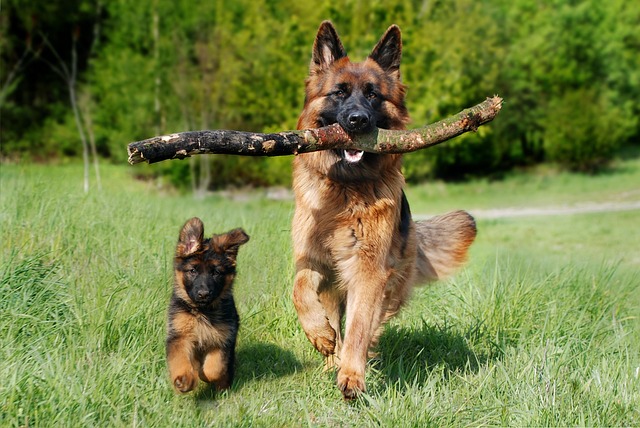
This behavior is often a result of playfulness or overstimulation, which can lead them to nip at hands, clothing, or other objects within reach. Understanding this instinctive reaction is crucial for addressing it effectively.
When puppies are excited, their natural instincts kick in, and they often resort to biting as a way to interact. This can become problematic if not managed properly, as it can lead to negative behaviors or accidents. Therefore, it is essential to redirect their excitement into more appropriate channels, such as toys designed for chewing and play.
Understanding the Reasons Behind Excitement Biting
Excitement biting in puppies is often linked to their natural instincts and behaviors. When a puppy experiences high energy levels, they may not know how to channel that energy appropriately. Instead, they resort to biting as a form of communication or play. This behavior can be exacerbated during playtime or when they are introduced to new stimuli, leading to a heightened state of arousal.
To effectively manage this behavior, it’s essential to understand the triggers that lead to excitement biting. Common scenarios include play sessions, visits from guests, or even during routine activities like feeding. By recognizing these triggers, owners can anticipate their puppy’s behavior and take proactive measures to redirect their energy.
How to Redirect Your Puppy’s Energy
Redirecting your puppy’s energy is a fundamental strategy to prevent excitement biting. Providing appropriate toys and engaging in structured play can help channel their enthusiasm into more acceptable behaviors. Interactive toys that require problem-solving or physical activity can keep a puppy engaged and lessen their urge to bite.
Additionally, incorporating training sessions into playtime can be beneficial. Teaching commands such as “sit” or “stay” can provide mental stimulation and reinforce positive behavior. When your puppy becomes too excited, calmly redirect their attention to a toy or a desired activity, reinforcing the idea that biting is not acceptable.
Teaching Bite Inhibition
Bite inhibition is a critical skill for puppies to learn, as it helps them understand how to control their bite force. This can be taught through gentle correction techniques. When a puppy bites too hard, let out a yelp or say “ouch” to signal that it was too rough. This mimics the feedback they would receive from their littermates and helps them learn appropriate bite pressure.
Consistent practice is key. When your puppy plays too roughly, pause the interaction to help them understand that biting leads to the end of play. Gradually, they will learn to moderate their biting and engage in play without using their teeth. This process requires patience and should be reinforced with positive behavior when they play gently.
Recognizing Overstimulation Signs
Recognizing signs of overstimulation in your puppy is essential for preventing excitement biting. Overstimulation can manifest as excessive barking, darting around, or inability to settle down. When you notice these signs, it’s crucial to intervene before the excitement escalates into biting.
Establishing a calm environment can help mitigate these behaviors. If you sense your puppy becoming overly excited, consider taking a break from play or providing a quiet space for them to relax. This strategy not only helps to prevent biting but also contributes to their overall emotional well-being.
For those seeking additional insights on managing puppy behavior, resources from veterinary behaviorists or dog training professionals can provide valuable guidance. Websites like the American Kennel Club (AKC) offer articles on puppy training and behavioral development.
Frequently Asked Questions
Why does my puppy bite when excited?
Puppies bite when excited as a natural instinct to express energy and engage with their environment.
How can I stop my puppy from biting?
To stop your puppy from biting, redirect their energy to appropriate toys and teach them bite inhibition through gentle corrections.
What are the signs of an overstimulated puppy?
Signs of an overstimulated puppy include excessive barking, restless behavior, and an inability to settle down.
Can excitement biting be prevented?
Yes, excitement biting can be prevented by providing appropriate outlets for energy and teaching bite inhibition.
Is biting normal behavior for puppies?
Yes, biting is normal behavior for puppies as they explore their world, but it should be managed appropriately.
Conclusion
Understanding why your puppy bites more when excited is crucial for effective training and management. By recognizing triggers, redirecting their energy, and teaching bite inhibition, you can help your puppy learn appropriate behavior. Consistency and patience in training will yield positive results, allowing both you and your puppy to enjoy playtime without the worry of biting. Prioritize creating a calm environment and reinforcing good behavior to ensure a well-adjusted and happy puppy.