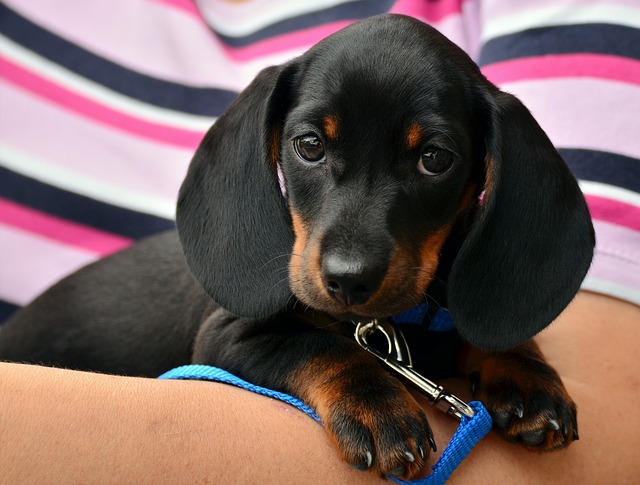
Identifying the Signs of Regression
Recognizing the signs of potty training regression is the first step to addressing the issue. Common indicators include frequent accidents indoors, reluctance to go outside, or a sudden increase in the frequency of accidents. Observing your puppy’s behavior and noting any changes can help pinpoint the cause.
It’s essential to differentiate between occasional accidents and a pattern of regression. Look for consistent behavior over a few days, as this can indicate a more significant issue. Keeping a diary of your puppy’s potty habits can help identify patterns and triggers.
Common Causes of Potty Training Regression
Several factors can contribute to potty training regression, including environmental changes, stress, and health issues. One significant cause is a change in the puppy’s living situation, such as moving to a new home or the arrival of a new pet. These changes can disrupt established routines and cause anxiety.
Stressful events, like loud noises or family disruptions, can also impact a puppy’s ability to hold their bladder. Additionally, health issues, such as urinary tract infections or gastrointestinal problems, may lead to unexpected accidents. It’s crucial to monitor your puppy’s health and behavior closely to identify any underlying medical concerns.
Steps to Correct Potty Training Regression
Addressing potty training regression requires a combination of consistency, patience, and observation. Start by reinforcing the training routine that was previously successful. Take your puppy out frequently, especially after meals, playtime, and naps, to establish a reliable schedule.
Using positive reinforcement, such as treats and praise, can encourage your puppy to associate outdoor bathroom breaks with rewards. If accidents occur indoors, avoid punishing your puppy, as this can increase anxiety and worsen the issue. Instead, focus on redirecting them to the appropriate behavior.
When to Seek Professional Help
If potty training regression persists despite your efforts, it may be time to consult a professional. A veterinarian can help rule out any medical issues that may be contributing to the problem. Additionally, a professional dog trainer or behaviorist can provide tailored strategies to address the regression and help reinforce positive behaviors.
Consider seeking help if you notice severe anxiety or behavioral changes in your puppy, as these may indicate deeper issues that require specialized attention.
Frequently Asked Questions
What causes potty training regression in puppies?
Potty training regression can be caused by environmental changes, stress, or underlying health issues.
How can I fix potty training regression?
To fix regression, reinforce the potty training routine, take your puppy out frequently, and use positive reinforcement.
When should I consult a veterinarian for potty training issues?
If regression persists despite your efforts or if you notice health-related symptoms, consult a veterinarian.
Can stress affect my puppy’s potty training?
Yes, stress from changes in the environment or routine can significantly impact a puppy’s potty training success.
What are the signs of potty training regression?
Signs include frequent indoor accidents, reluctance to go outside, and changes in behavior.
Conclusion
Understanding why potty training regression happens is crucial for effectively addressing the issue. By identifying the signs, recognizing the common causes, and implementing corrective steps, you can help your puppy regain their potty training skills. Consistency, patience, and observation will be key in this process. If challenges persist, don’t hesitate to seek professional help to ensure your puppy’s success.