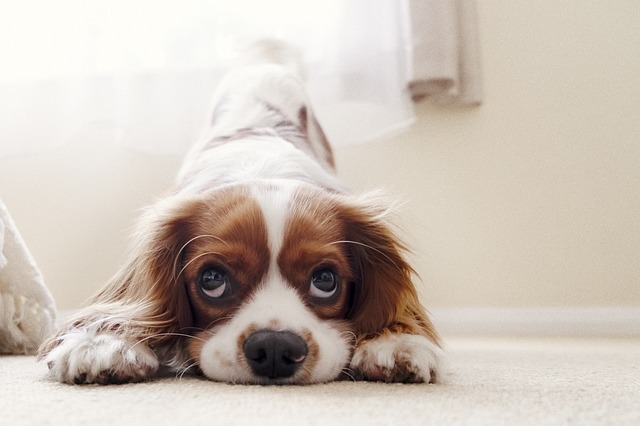
To train a puppy to stay calm during grooming, start by introducing them to grooming tools gradually and associating the experience with positive reinforcement. Use treats and praise to reward calm behavior, and maintain a gentle, relaxed atmosphere to help your puppy feel secure and comfortable throughout the grooming process.
Understanding Your Puppy’s Anxiety
Puppies often exhibit anxiety during grooming due to unfamiliar sounds, sensations, and the overall environment. Understanding the root causes of your puppy’s anxiety can help you tailor your approach to grooming. Common triggers include the noise of clippers, the sensation of brushing, or even the presence of unfamiliar people or pets.
Recognizing these triggers allows you to address them directly. For instance, if your puppy is startled by the sound of clippers, practice turning them on in a separate room while rewarding your puppy for staying calm. Gradually introduce the clippers closer during subsequent sessions to build familiarity.
Desensitization Techniques for Grooming
Desensitization is a crucial technique for helping your puppy feel comfortable with grooming. Start this process by allowing your puppy to explore grooming tools without any pressure. Place brushes, clippers, and towels in an area where your puppy can investigate them freely.
Once your puppy shows curiosity, gently handle their paws and fur with the grooming tools while providing treats and praise to reinforce positive associations. Gradually increase the intensity of the grooming experience, ensuring each step is met with calmness and reward.
Creating a Positive Grooming Environment
The environment where grooming takes place significantly impacts your puppy’s emotional state. Choose a quiet, comfortable space free from distractions. Consider using non-slip mats to provide stability, as slipping can cause anxiety. Additionally, ensure the temperature is comfortable, as extreme heat or cold can lead to discomfort.
Incorporating calming elements such as soothing music or a favorite toy can also help create a relaxing atmosphere. Always approach grooming as a positive experience, and be patient with your puppy as they adjust to the process.
Using Positive Reinforcement
Positive reinforcement is one of the most effective methods for training puppies. When grooming, consistently reward your puppy with treats, praise, or playtime for calm behavior. This creates a positive association with grooming sessions.
Try to reward your puppy immediately after they display calm behavior, even if it’s just for a few seconds. Gradually increase the time between rewards as your puppy becomes more comfortable. Remember, the goal is to foster a relaxed and enjoyable grooming experience for both you and your puppy.
Further Reading
Frequently Asked Questions
How can I tell if my puppy is anxious during grooming?
Signs of anxiety in puppies during grooming may include whining, shaking, trying to escape, or excessive panting. Observing these behaviors can help you adjust your approach.
What tools are best for grooming a nervous puppy?
Use gentle, quiet grooming tools such as soft brushes and battery-operated clippers to minimize noise and discomfort. Ensure all tools are puppy-friendly.
How often should I groom my puppy?
Grooming frequency depends on the breed and coat type. Generally, most puppies benefit from grooming every 4-6 weeks, while some may require more frequent sessions.
Can I groom my puppy at home?
Yes, you can groom your puppy at home. Start with basic grooming tasks such as brushing and bathing, and gradually introduce other grooming elements as your puppy becomes comfortable.
What should I do if my puppy bites during grooming?
If your puppy bites during grooming, stop immediately and give them a break. Assess what triggered the reaction and adjust your approach to avoid further stress.
Conclusion
Training your puppy to stay calm during grooming is essential for creating a positive experience for both of you. Focus on desensitization techniques, positive reinforcement, and establishing a calming environment. Remember to be patient and consistent, as building trust takes time. By prioritizing your puppy’s comfort and emotional well-being, you’ll foster a lifelong routine that benefits their grooming and overall health.