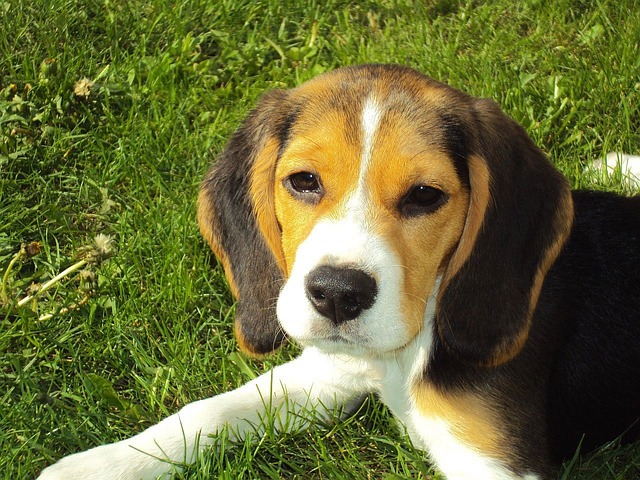
Training a puppy to ignore other dogs calmly involves consistent desensitization, positive reinforcement, and distraction techniques. Start by gradually exposing your puppy to other dogs at a distance, rewarding calm behavior, and using cues to redirect their focus. This training helps develop self-control and reduces reactive behaviors.
One of the most common mistakes owners make is inadvertently rewarding their puppy for reacting to other dogs. This can happen when owners give their puppy attention or treats when they become excited or vocal. Instead, it’s crucial to train your puppy in a controlled environment, using gradual exposure to other dogs while maintaining a calm demeanor yourself. The goal is to reinforce calm behavior rather than excitement or anxiety.
Understanding Canine Behavior
Understanding canine behavior is vital for training your puppy to ignore other dogs. Dogs are social animals, and their instinct may prompt them to react to other dogs out of excitement or fear. Recognizing these triggers can help you prepare for training sessions and anticipate your puppy’s reactions.
One common trigger is the presence of unfamiliar dogs, which may cause your puppy to bark or pull on the leash. By identifying these triggers, you can create a training plan that addresses your puppy’s specific needs. For example, if your puppy tends to react when they see other dogs, you might choose to train in less crowded areas initially.
Desensitization Techniques
Desensitization is a critical technique in training your puppy to ignore other dogs. This process involves gradually exposing your puppy to the presence of other dogs without allowing them to react adversely. Start at a distance where your puppy can see other dogs but does not react.
As your puppy becomes more comfortable, slowly decrease the distance between them and other dogs. During this process, pay attention to your puppy’s body language. If they show signs of stress, such as stiffening or whining, increase the distance again to keep them calm. This stepwise approach helps your puppy learn that other dogs are not a threat.
Using Positive Reinforcement
Positive reinforcement is essential when training your puppy to ignore other dogs. This method involves rewarding your puppy for calm behavior when they encounter other dogs. Use treats, praise, or playtime as rewards to reinforce desired behavior.
For example, when your puppy remains calm while other dogs pass by, immediately reward them with a treat or affection. This association helps your puppy understand that calm behavior leads to positive outcomes. Consistency is key; ensure that you reward calmness every time to reinforce the behavior effectively.
Distraction Methods
Distraction methods are another effective strategy for training your puppy to ignore other dogs. This approach involves redirecting your puppy’s attention away from other dogs to keep them focused on you or a specific task.
Consider using toys, treats, or commands to distract your puppy. For instance, when you see another dog approaching, ask your puppy to sit and stay, then reward them for complying. This not only diverts their attention but also reinforces obedience commands. Practicing this regularly will help your puppy learn to focus on you, even in distracting environments.
Frequently Asked Questions
How long does it take to train a puppy to ignore other dogs?
The time required varies by puppy, but consistent training over several weeks can lead to significant improvements.
What should I do if my puppy reacts aggressively to other dogs?
If your puppy shows aggression, consult a professional dog trainer or behaviorist to develop a tailored training plan.
Can I train my puppy to ignore other dogs at home?
Yes, you can practice commands and distractions at home, gradually introducing outside distractions as your puppy improves.
Is it normal for puppies to be distracted by other dogs?
Yes, puppies are naturally curious and social, so it’s common for them to be distracted by other dogs.
What are some effective commands for training my puppy?
Effective commands include “sit,” “stay,” and “leave it,” which help redirect your puppy’s focus.
Further Reading
Authoritative Sources
- American Kennel Club
akc.orgTraining and behavior guidance for puppy routines, rewards, obedience, and common problem behaviors.
- ASPCA
aspca.orgPractical pet-care and behavior resources covering humane handling, routines, and everyday puppy management.
- American Veterinary Medical Association
avma.orgVeterinary guidance on animal health, safety, and owner education that supports sound training decisions.
Conclusion
Training your puppy to ignore other dogs calmly is a critical skill that enhances their social behavior and overall obedience. Focus on desensitization techniques, positive reinforcement, and distraction methods to help your puppy learn self-control. Consistency and patience are essential, so prioritize regular training sessions and adjust your approach based on your puppy’s progress. With dedication, you can foster a calm and well-behaved companion.