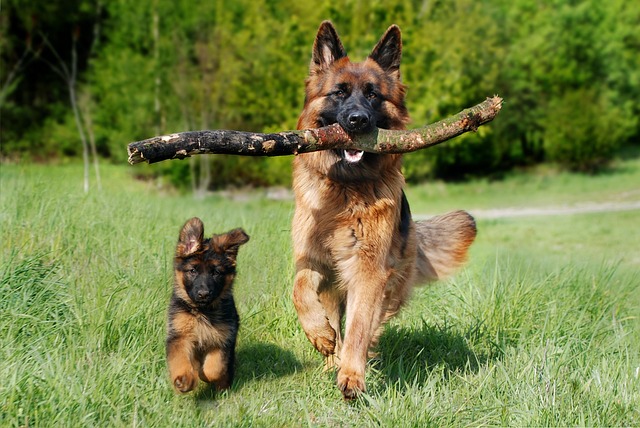
Puppy fear periods typically occur between 8-14 weeks and 6-14 months of age, during which puppies may exhibit signs of fear or anxiety towards new experiences, sounds, or environments. This behavior is normal and often temporary, but it’s crucial for owners to provide reassurance and positive socialization to help their puppies navigate these challenging phases.
During these periods, your puppy might show reluctance or fear when encountering unfamiliar objects, people, or situations. Understanding that this is a natural developmental stage can help you respond appropriately. Avoid forcing your puppy into stressful situations, as this could exacerbate their fears. Instead, focus on creating positive experiences by introducing new stimuli gradually and in a controlled manner.
Understanding Puppy Fear Periods
Puppy fear periods are critical developmental phases where a puppy’s socialization skills and coping mechanisms are tested. These periods generally occur at specific ages, particularly around 8-14 weeks and again at 6-14 months, aligning with significant growth and maturation in a puppy’s brain. During these times, they may become more sensitive to their environment.
Recognizing that your puppy is going through a fear period is essential for providing the right support. This understanding allows you to approach their fears with empathy and patience, ensuring that your puppy feels secure as they explore the world. It’s important to remember that exposure to new experiences during these periods should be positive and gradual.
Signs of Fear in Puppies
Common signs that your puppy is experiencing fear include cowering, barking, hiding, or attempting to escape from the situation. They may also show signs of stress, such as trembling or excessive yawning. It’s crucial to observe your puppy’s body language to identify when they are feeling uncomfortable.
Understanding these signs can help you intervene appropriately. For instance, if your puppy is frightened by loud noises, consider creating a safe space where they can retreat until they feel more at ease. Providing a calm environment can help them learn to cope with their fears over time.
How to Support Your Puppy
Supporting your puppy during fear periods involves creating a positive association with the stimuli that scare them. Gradually introduce them to new experiences in a controlled manner, ensuring that each encounter is accompanied by rewards, such as treats or praise.
Socialization is key during these periods. Arrange playdates with calm, well-socialized dogs and expose your pup to different environments and sounds in a positive way. This exposure helps them build confidence and learn that new experiences can be enjoyable rather than frightening.
Common Mistakes to Avoid
One of the biggest mistakes owners make is forcing their puppies into situations that frighten them, believing that this will help them overcome their fears. This approach can backfire, leading to increased anxiety and behavioral issues. Instead, allow your puppy to explore at their own pace and provide them with positive reinforcement.
Another common mistake is neglecting to recognize the signs of fear early on. By failing to observe your puppy’s body language and emotional state, you may inadvertently push them into stressful situations. Stay attuned to their needs and respond with patience and understanding.
Frequently Asked Questions
What age do puppies experience fear periods?
Puppies typically experience fear periods around 8-14 weeks and again at 6-14 months of age.
How long do fear periods last in puppies?
Fear periods can last a few days to several weeks, depending on the individual puppy and their experiences.
How can I help my puppy during a fear period?
Support your puppy by providing a safe space, introducing new experiences gradually, and using positive reinforcement.
What signs indicate my puppy is scared?
Signs of fear in puppies include cowering, barking, hiding, trembling, and excessive yawning.
Is it normal for puppies to be fearful?
Yes, experiencing fear is a normal part of development for puppies, especially during fear periods.