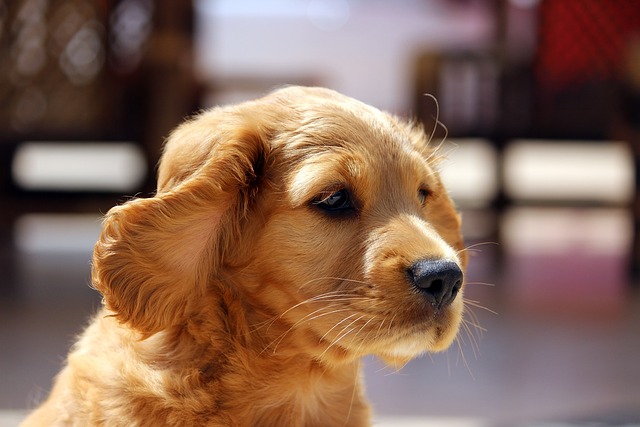
Understanding the underlying causes of separation anxiety in puppies is crucial for effective training. Puppies are naturally social animals who can feel insecure when left alone. This fear can manifest in various ways, including barking, whining, or destructive behavior. To mitigate this, prioritize short practice sessions where you leave your puppy alone for brief periods, gradually increasing the duration as they become more comfortable. Mistakes can happen if you attempt to rush the process or fail to provide adequate mental stimulation; both can lead to setbacks in training. It’s important to find the right balance between training sessions and playtime to ensure your puppy feels secure and entertained.
Another factor to consider is the environment you set up for your puppy during alone time. Creating a safe space with familiar scents and comfortable bedding can help alleviate anxiety. Additionally, consider using tools like a crate or a designated puppy area where your pet can feel secure. Incorporating interactive toys or puzzle feeders can keep them occupied, reducing the likelihood of boredom-related misbehavior. Always observe your puppy’s reactions to different strategies, as each dog has unique needs and responses.
Understanding Separation Anxiety
Separation anxiety is a common issue in puppies, characterized by distress when left alone. Symptoms can include barking, whining, and chewing furniture. Recognizing these signs is essential for developing a training strategy. This anxiety often stems from a lack of confidence or previous negative experiences when left alone.
To address separation anxiety, assess your puppy’s behavior during your absences. If your puppy exhibits signs of anxiety, it’s vital to take a slow approach to desensitize them to being alone. Begin by leaving your puppy alone for very short intervals and gradually extending the time. This helps them learn that you will return and that being alone is a normal part of their routine. Keep in mind that some breeds are more prone to anxiety, influencing how you should structure training sessions.
Gradual Desensitization Techniques
Gradual desensitization involves slowly acclimating your puppy to being alone without causing distress. Start by leaving your puppy in a safe space for just a few minutes, then gradually increase the time as they become more comfortable. The goal is to help your puppy associate your departures with positive experiences.
During initial training, practice short departures while remaining in a different room. This can help your puppy get used to the idea of you being out of sight without the stress of complete separation. Monitor their behavior through a baby monitor or by peeking in, adjusting the time based on their comfort level. If your puppy shows signs of distress, shorten the durations and proceed at a pace that suits them. This method not only builds confidence but also reinforces the idea that being alone is a normal part of life.
Creating a Safe Environment
A secure environment is crucial for a puppy learning to stay home alone. Designate a comfortable space where your puppy feels safe, such as a crate or a puppy-proofed room. Ensure the area is free of hazards, with accessible toys that can keep them entertained.
Consider adding comforting elements like a piece of your clothing or a blanket with your scent. This can help soothe anxiety when they are alone. Additionally, use engaging toys, such as puzzle feeders or chew toys, that stimulate your puppy mentally and physically. Rotating toys periodically can maintain their interest and help prevent boredom, which can lead to destructive behavior.
Positive Reinforcement Strategies
Positive reinforcement is key to training a puppy to stay calm when left alone. Reward your puppy for being calm during your absences, whether with treats, praise, or playtime when you return. This approach creates a positive association with being alone.
To implement positive reinforcement effectively, establish a routine that includes consistent departure and arrival rituals. Avoid excessive emotional farewells or greetings, as these can heighten anxiety. Instead, keep interactions low-key. When you return home and your puppy is calm, reward them immediately. This not only reinforces good behavior but also helps them understand that calmness during separations is expected.
Addressing Common Mistakes
Many pet owners unknowingly reinforce anxious behavior during training. A common mistake is leaving a puppy alone for too long too soon, which can lead to increased stress and anxiety. Additionally, some owners may inadvertently reward whining or barking by giving attention, reinforcing the behavior.
To avoid these pitfalls, stick to a gradual training schedule and ensure you’re not reacting to anxious behaviors. If your puppy begins to vocalize or act out, wait for a moment of calm before acknowledging them. This teaches your puppy that being quiet earns rewards, while noisy behavior does not. Consistency is vital; ensure everyone in the household follows the same training protocols to prevent confusion.
Further Reading
Authoritative Sources
- Separation Anxiety in Dogs
akc.orgThis resource provides detailed insights into understanding and managing separation anxiety in dogs, including training techniques
- Puppy Training Tips
humanesociety.orgThe Humane Society offers practical training tips that can help you establish a positive relationship with your puppy
- Separation Anxiety and Your Dog
aspca.orgThis guide from the ASPCA provides an overview of separation anxiety and effective training methods
- Separation Anxiety in Dogs
petmd.comPetMD offers expert advice on separation anxiety and practical training strategies for dog owners
Frequently Asked Questions
How long can I leave my puppy home alone?
Puppies can typically be left alone for 1 hour per month of age, up to a maximum of about 4-6 hours for older puppies. Adjust based on your puppy’s behavior and comfort level.
What should I do if my puppy cries when left alone?
If your puppy cries, avoid giving immediate attention as this can reinforce the behavior. Instead, wait for a moment of silence before rewarding calmness and gradually extend alone time.
Are there any specific toys I should use?
Interactive toys, puzzle feeders, and durable chew toys are excellent choices. They help keep your puppy mentally engaged and reduce boredom while you’re away.
How can I tell if my puppy has separation anxiety?
Signs include excessive barking, whining, destructive behaviors, and accidents in the house when left alone. Monitoring behavior during absences can help identify anxiety.
Is crate training effective for separation anxiety?
Yes, crate training can be effective if introduced positively. It provides a safe space for your puppy and can help them feel more secure when alone.
Conclusion
Training a puppy to stay home alone calmly requires time, patience, and consistent techniques. Prioritize gradual desensitization, positive reinforcement, and creating a safe environment. Recognize the signs of separation anxiety and adjust your approach based on your puppy’s needs. By taking these steps, you can help your puppy develop the confidence to be alone, reducing stress for both you and your pet.